High Blood Sugar Triggers RNA Chemical Tags That Harden Arteries
Scientists discover how cellular identity shifts in diabetes, turning blood vessel linings into bone-like tissue via epigenetic modifications.
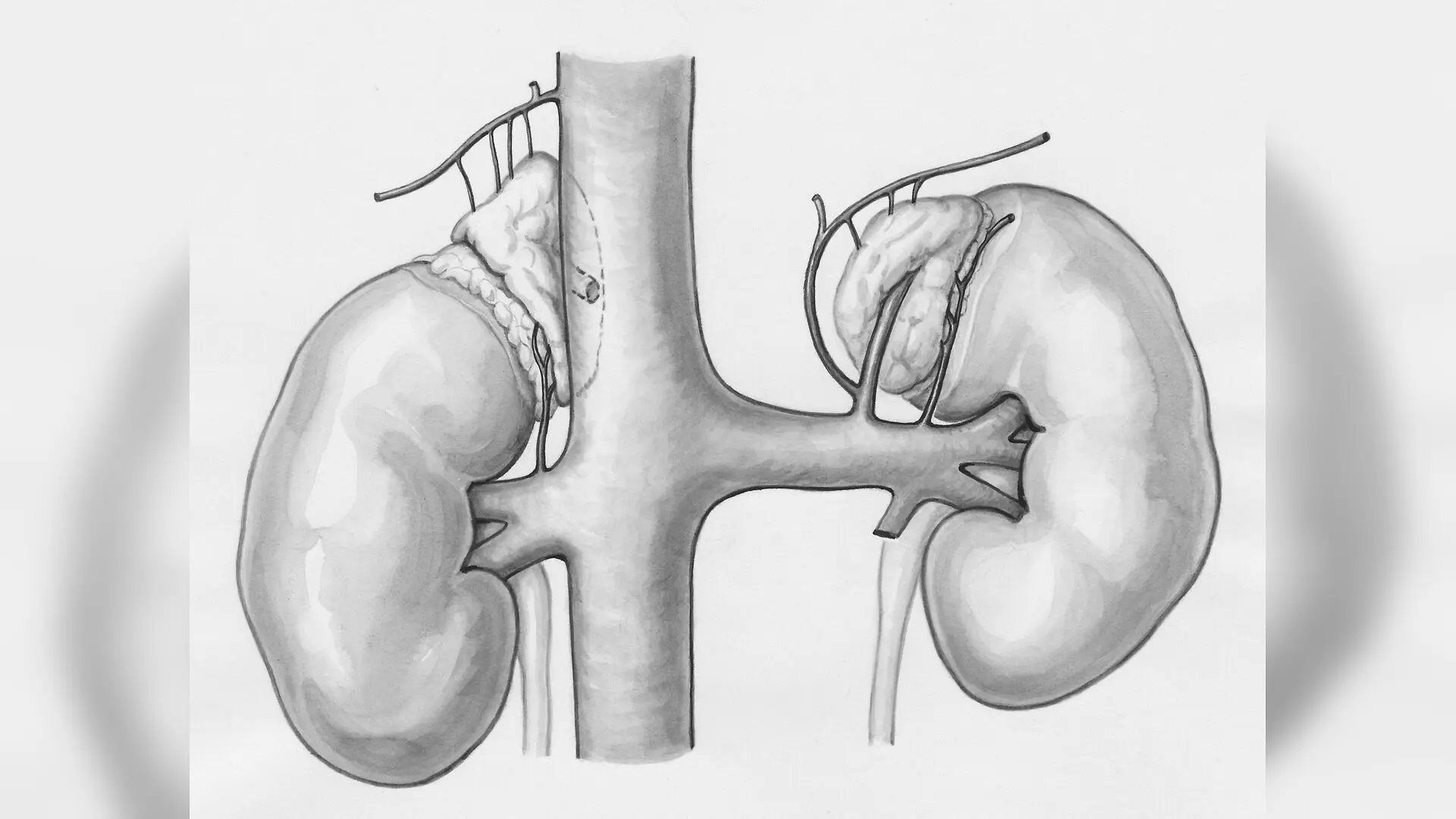
High blood sugar reprograms human aortic cells to harden arteries from the inside out, according to new research mapping how diabetes damages the cardiovascular system. Scientists discovered that an enzyme called METTL3 responds to high glucose levels by chemically tagging messenger RNA, setting off a chain reaction that transforms delicate blood vessel linings into bone-like tissue.
Arterial calcification is a dangerous hallmark of diabetes and atherosclerosis, stiffening blood vessels and forcing the heart to work harder. While doctors have long known that high blood sugar triggers this hardening, the exact molecular dominoes had remained murky. Researchers wanted to understand why blood vessel cells begin shifting their identity, turning from smooth endothelial barriers into rigid, bone-forming structures through a process called endothelial-to-mesenchymal transition.
To untangle this cellular identity crisis, the team cultured human aortic endothelial cells in laboratory dishes and exposed them to high glucose levels for five days to mimic diabetic hyperglycemia, followed by osteogenic induction media to stimulate bone-like mineralization. They measured global RNA methylation and tracked how specific gene modifications altered cell behavior.
The experiments revealed that high glucose significantly ramped up levels of N6-methyladenosine, the most common internal chemical modification in messenger RNA. When researchers used genetic tools to knock down METTL3, the core protein writer responsible for these chemical tags, the diabetes-mimicking high glucose conditions no longer triggered the harmful cellular transformation.
Additional assays, published in Epigenetics, showed that METTL3 hyper-activates the PI3K-Akt signaling network, a major pathway controlling cell growth and survival. By attaching chemical tags to the messenger RNA of a growth factor known as IGF2, METTL3 and an RNA-binding protein called IGF2BP2 stabilized the transcript, boosting its production and driving the destructive calcification pathway.
How Chemical RNA Tags Drive Hardened Arteries
The transformation of blood vessel linings involves cells losing their normal markers, such as CD31 and VE-cadherin, and adopting mesenchymal traits like vimentin and alpha-smooth muscle actin. Under high glucose, this shift was accompanied by a surge in osteogenic transcription factors including MSX2, OSX, and RUNX2, alongside rising calcium deposits.
When the investigators overexpressed IGF2 in METTL3-knockdown cells, the restorative effect vanished, and the cells resumed their bone-forming habits. This pinpointed the IGF2 pathway as the critical bridge connecting RNA chemical modifications to vascular hardening.
What Limitations Apply to These Findings?
While the molecular tracking offers unprecedented detail, the authors noted several important caveats. The work relied on an in vitro laboratory model using human aortic endothelial cells, meaning the findings must now be validated in living animal models and clinical human samples.
Additionally, the high-glucose experiments lacked a separate osmotic control, and the dynamic nature of RNA modifications requires broader temporal mapping. Researchers emphasize that while blocking METTL3 halts the process in cultured cells, designing safe therapies to target these epigenetic switches in patients remains a long-term goal.
Where Do Cardiovascular Researchers Go Next?
Uncovering how cells actively participate in vascular calcification rather than just passively accumulating minerals changes how scientists view diabetic complications. By identifying the METTL3-IGF2 axis as a primary driver of blood vessel stiffening, the work opens potential new avenues for pharmacological intervention in atherosclerosis.
The research was published in Epigenetics on November 18, 2026.
This article has been fact checked for accuracy, with information verified against reputable sources. Learn more about us and our editorial process.
Last reviewed on .
Article history
- Latest version
Cite this page:
- Posted by Faisal Qureshi