Zero Informal Support Reported by Nearly 8 Percent of Older Adults During Pandemic Lockdowns
A twenty-year study reveals shifting social networks among aging populations, highlighting vulnerable groups that may require targeted municipal care.
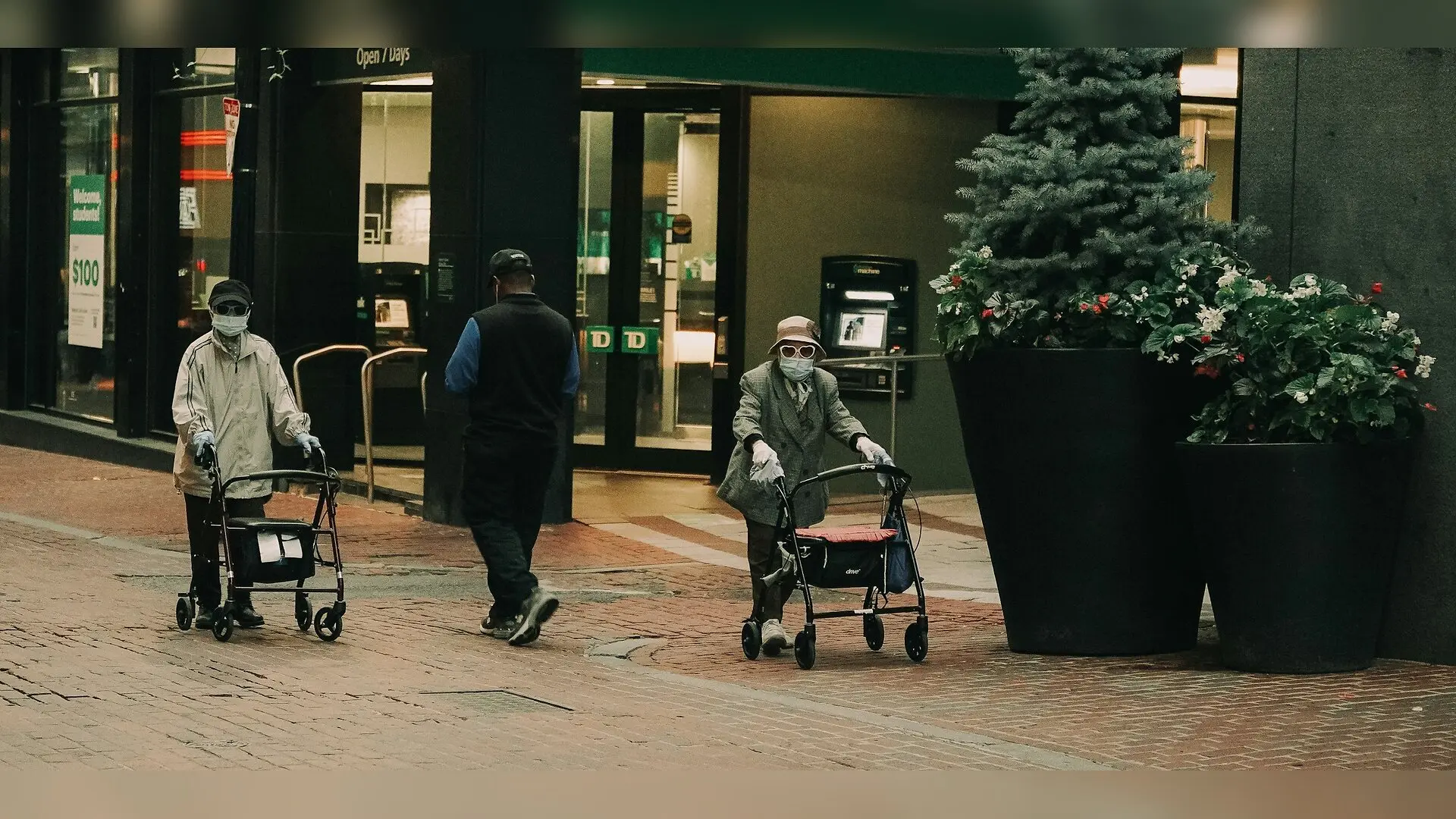
Nearly 8 percent of older adults in Slovenia reported having zero informal social support during the peak of the COVID-19 pandemic, shedding light on the fragile nature of elderly social safety nets during public health crises. While that figure dropped to 4.4 percent in subsequent post-pandemic surveys, researchers found that the overall landscape of how older citizens rely on family, friends, and neighbors has shifted dramatically over a two-decade period. The study, published in PLOS One by Marjan Cugmas and colleagues, tracked social support networks among adults aged 65 and older across three distinct time periods spanning from 2002 to 2025.
How Aging Societies Shape Personal Support Networks
Societies globally face mounting challenges associated with population aging, particularly in delivering adequate care and daily assistance to older populations. While formal services like professional home care fulfill essential needs, informal social support provided by relatives, friends, and neighbors remains equally vital for maintaining health and independence. Previous research has consistently demonstrated that strong social connections protect against psychological distress, lower the risk of physical illness, and enhance overall quality of life.
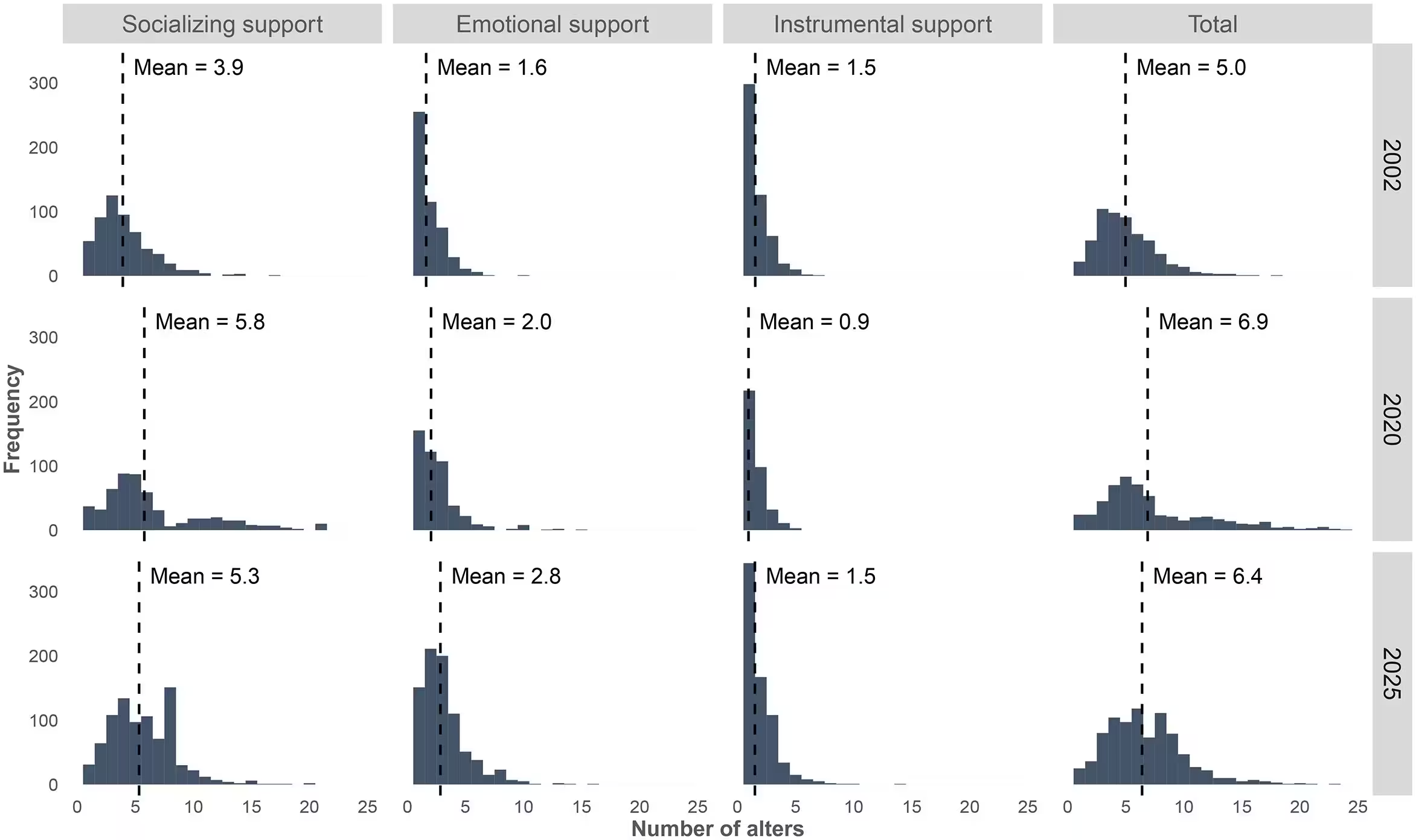
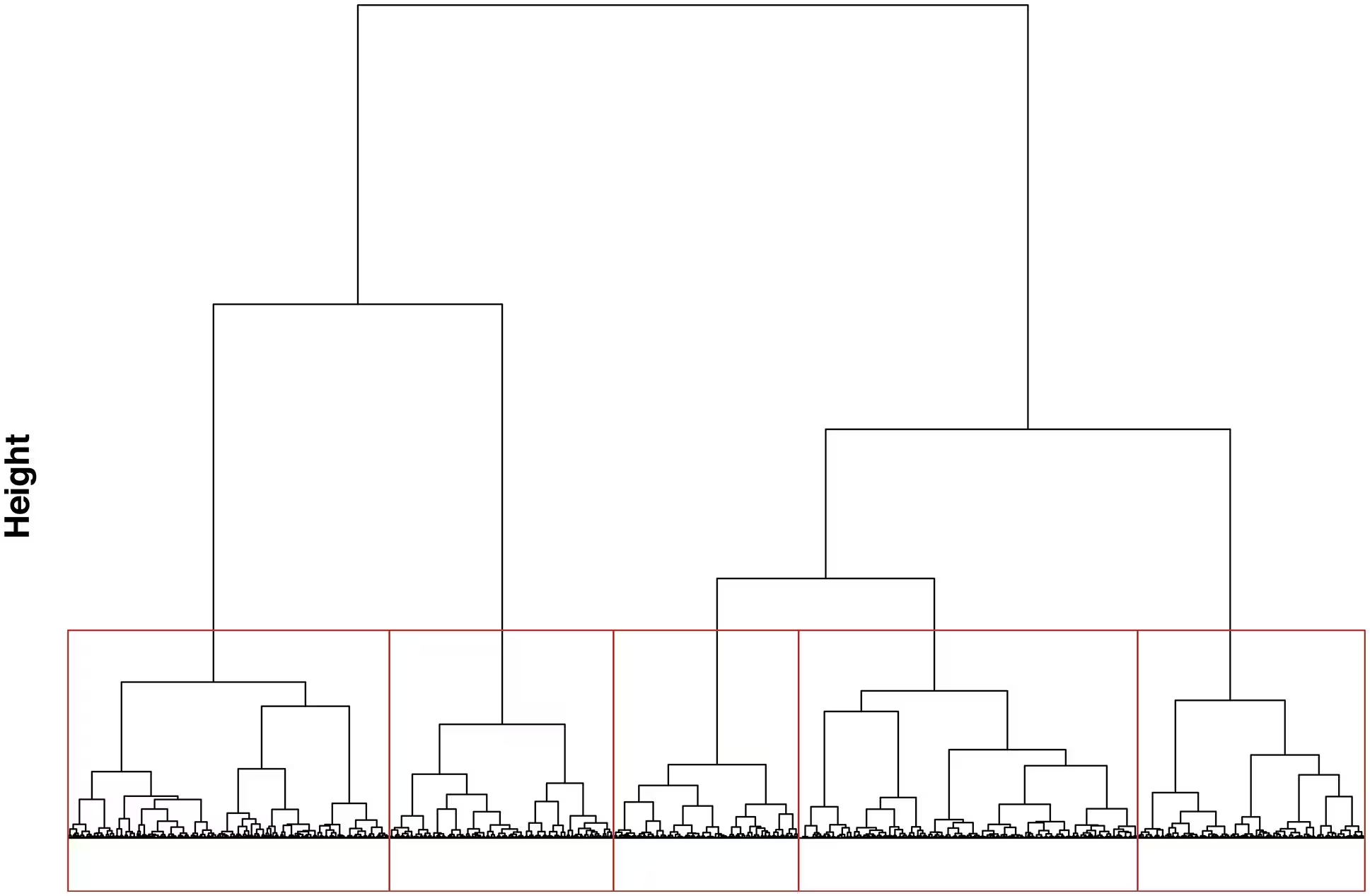
To investigate these dynamics, the research team analyzed ego-centered network data from a total of 2,089 participants across three data collection waves in 2002, 2020, and 2025. The 2002 data involved a general population sample with 580 participants aged 65 and older, while the 2020 and 2025 samples utilized web-based panels focusing specifically on older adults. Using a specialized clustering approach for symbolic data, the authors categorized the participants into specific network typologies based on network size, geographic proximity of contacts, contact frequency, and the types of support provided, such as emotional backing, social companionship, or instrumental help with chores.
Five Distinct Network Types and Their Post-Pandemic Shifts
The analysis identified five primary network configurations mirroring classic sociological typologies alongside a vulnerable group with no listed supporters. Family-dependent networks and locally integrated networks, which rely heavily on nearby relatives and community members, both saw consistent declines over the 20-year observation window. Family-dependent networks dropped significantly from representing 42 percent of older adults in 2002 down to 16 percent by 2025. Meanwhile, private restricted networks, which typically feature geographically distant contacts and a strong focus on emotional support rather than daily chores, grew steadily from 10 percent to 25 percent.
The COVID-19 pandemic introduced sharp temporary disruptions to these patterns. Local self-contained networks, which rely primarily on nearby friends, plunged from 19 percent down to 7 percent during the 2020 lockdowns before rebounding to 22 percent in 2025. Conversely, wider community networks experienced a surge during pandemic restrictions, jumping to 37 percent in 2020 before settling at 26 percent. The authors suggest that digitally literate older adults successfully maintained social ties via online communication platforms when face-to-face visits were legally restricted.
Demographic Divides in Support Structures
The study also uncovered significant links between social network types and participants’ demographic backgrounds. Men were more frequently represented in the category reporting zero listed alters and in family-dependent networks, whereas women more commonly belonged to locally integrated networks. Education level and settlement type played an equally decisive role in shaping these connections. Participants with lower education levels living in rural areas were substantially more likely to rely on family-oriented structures, whereas highly educated urban residents gravitated toward wider community and private restricted networks.
The authors acknowledge several methodological limitations in their work, including the shift from traditional telephone interviews in 2002 to web-based panels in later years. Because web surveys require internet access and basic digital literacy, the samples may underrepresent the oldest-old populations, particularly individuals aged 80 and above, as well as severely ill or frail individuals who might be most vulnerable to isolation. Furthermore, cross-sectional observations cannot establish direct causal pathways between network types and health outcomes.
What These Findings Mean for Future Social Care Interventions
The findings indicate that older adults are far from a homogenous group, meaning that municipal social care policies cannot rely on a one-size-fits-all model. While smaller networks do not automatically signify poor well-being, individuals with restricted or absent support systems face heightened vulnerability if a primary caregiver passes away or becomes unavailable. The authors emphasize that policymakers should utilize these network classifications to design targeted local interventions, ensuring that formal care bridges the gaps where informal networks fall short.
The research was published in PLOS One on November 18, 2026.
This article has been fact checked for accuracy, with information verified against reputable sources. Learn more about us and our editorial process.
Last reviewed on .
Article history
- Latest version
Reference(s)
- Cugmas, Marjan., et al. “Social support networks of older adults before, during and after the COVID-19 pandemic.” PLOS One, vol. 21, no. 11, November 18, 2026, pp. e0363274 Public Library of Science (PLoS), doi: 10.1371/journal.pone.0363274. <https://doi.org/10.1371/journal.pone.0363274>.
- Posted by Sana Malik