Severe Drought Exposure Linked to Poorer Infant Health and Higher Mortality Risk in Global Study
An analysis of 61 studies involving over five million children reveals how water scarcity during pregnancy and early childhood threatens survival and growth.
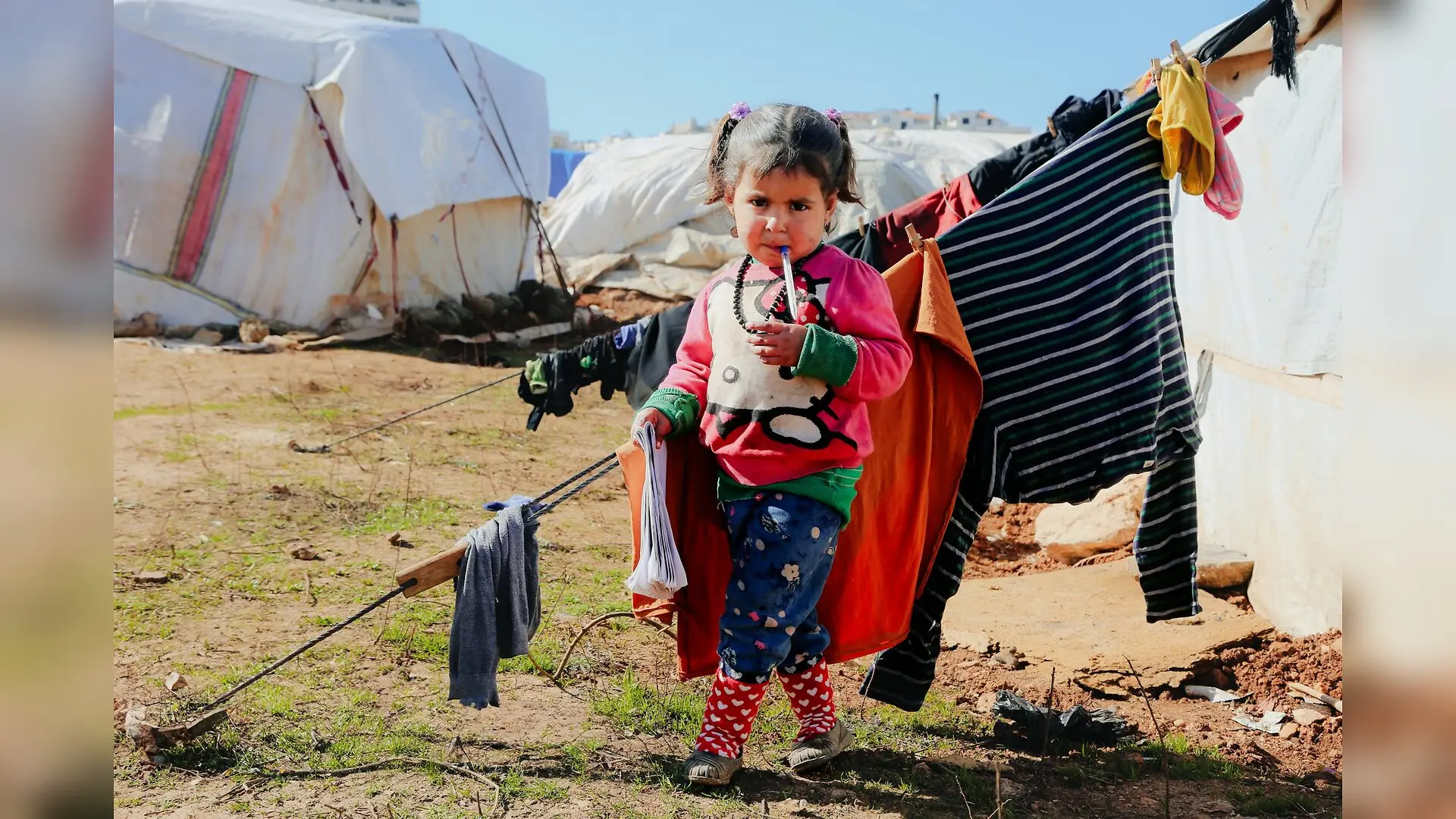
Severe drought conditions can significantly compromise infant health and increase the risk of developmental impairments in children under five years of age. A comprehensive new scientific review synthesizes data from more than five million participants across multiple global regions to understand how water scarcity impacts early childhood survival, growth, and disease vulnerability.
What the Global Data Reveals About Drought and Child Development
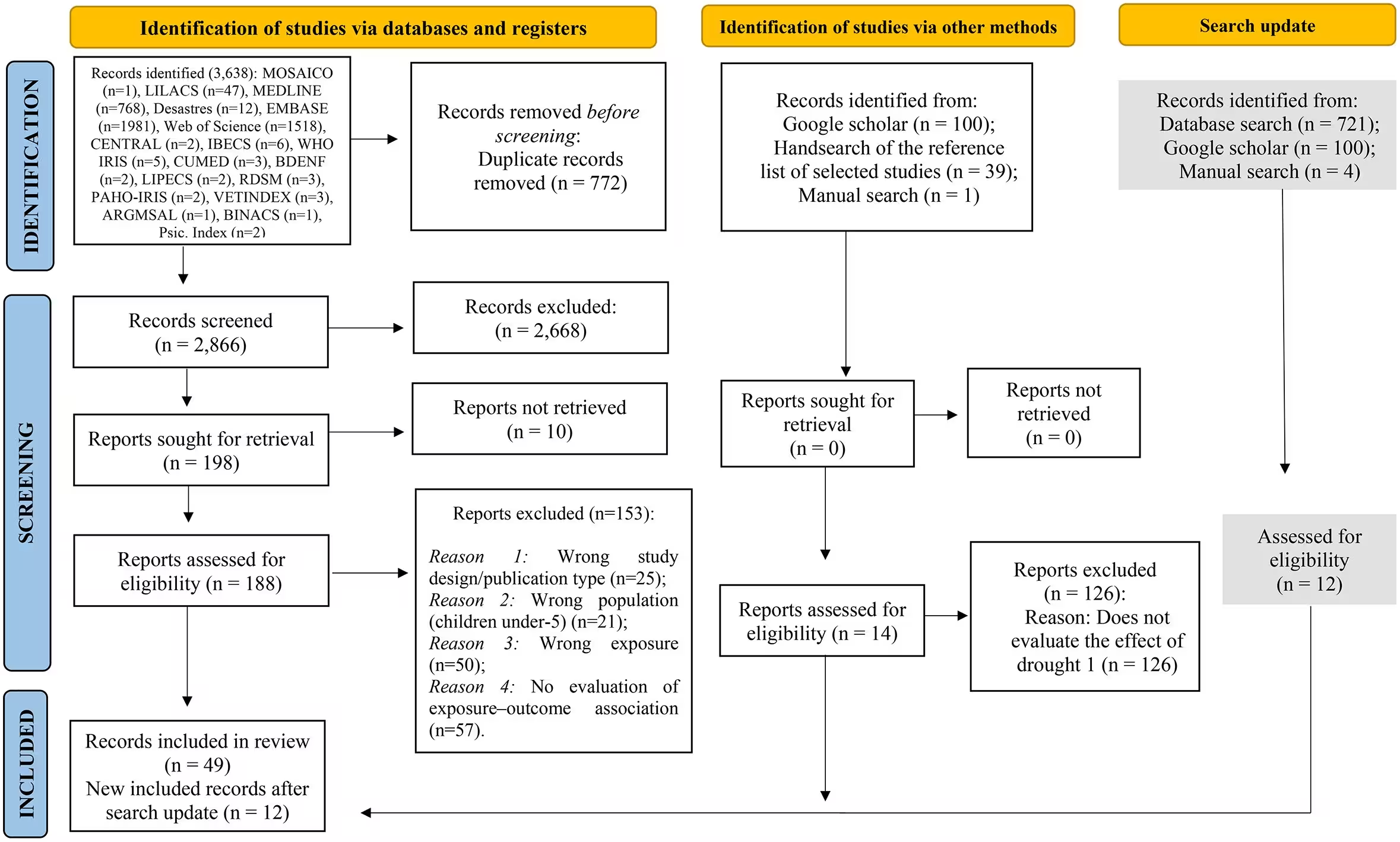
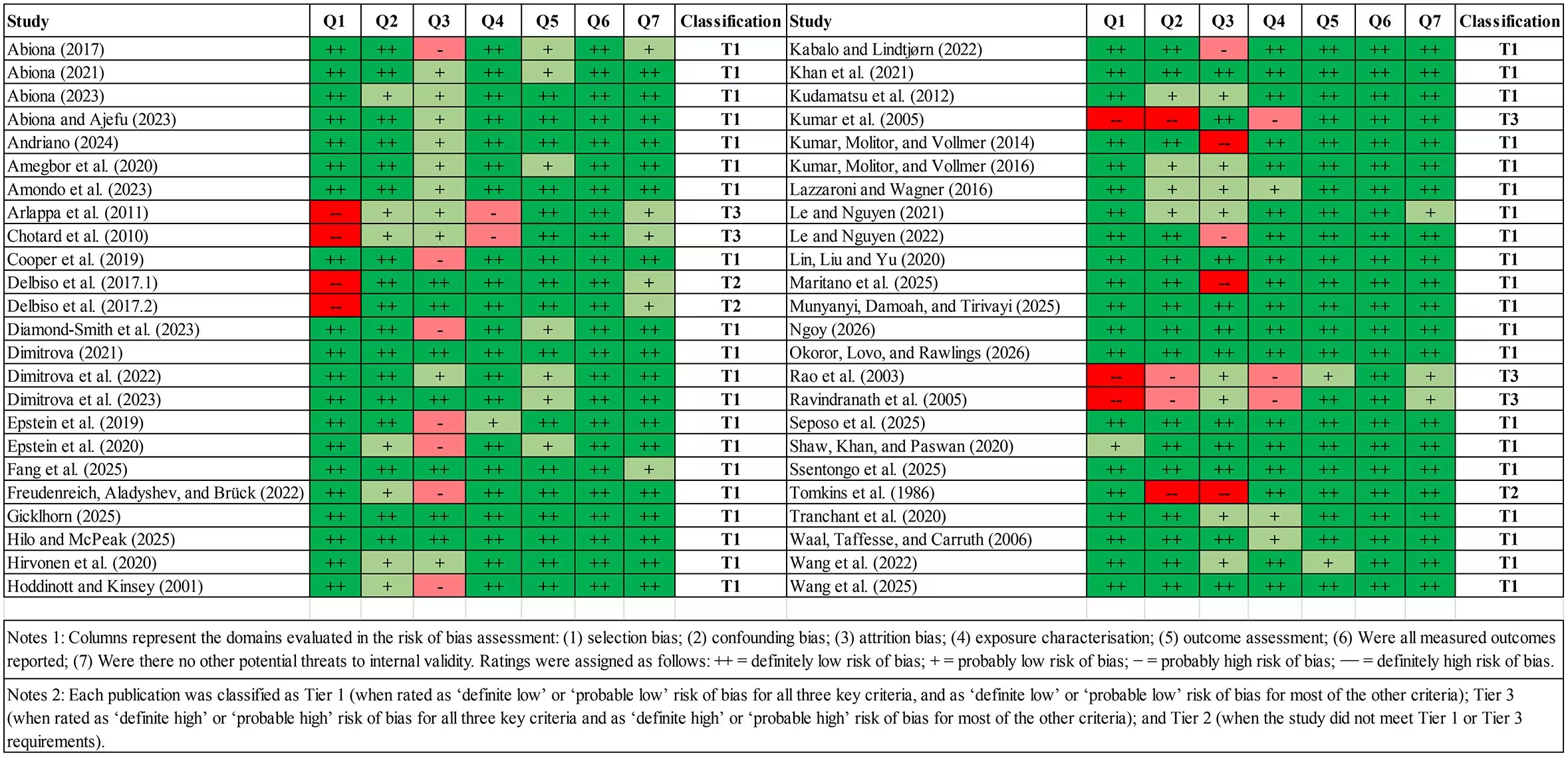
The research, published in PLOS One, analyzed observational studies published up to June 2026. Investigators examined 61 distinct publications covering populations in Africa, Asia, South America, and Europe. The analysis demonstrates that drought exposure during pregnancy and early childhood is frequently linked to adverse health outcomes, including low birth weight, stunted linear growth, and heightened infant mortality.
Climate change is accelerating the frequency and severity of droughts worldwide, putting an estimated 1.84 billion people at risk. The new review highlights how these environmental shocks translate into biological crises for infants, particularly in low- and middle-income nations where families face compounding social vulnerabilities.
How Prenatal and Postnatal Exposures Differ in Impact
The biological mechanisms damaging infant health vary depending on when the drought occurs during early life. During the prenatal period, water scarcity and associated food insecurity restrict maternal access to essential nutrients and energy, which can lead to intrauterine growth restriction and low birth weight. Pregnant individuals in their second and third trimesters face particularly high water and nutritional requirements, making the fetus highly vulnerable to dehydration and metabolic alterations.
After birth, the risks shift toward environmental and infectious pathways. In children up to five years of age, water shortages reduce dietary diversity and compromise hygiene practices. This combination fosters the spread of recurrent infectious diseases such as diarrhea and respiratory illnesses, which accelerate acute and chronic malnutrition.
Linear growth indicators, particularly height-for-age Z-scores and stunting, showed the most consistent pattern of impairment across the reviewed studies. Gestational exposure was strongly associated with reduced linear growth in multiple geographical settings, with stunting probability increasing by up to 4.7 percentage points in severely affected populations.
Survival Risks and Regional Vulnerabilities
Child mortality emerged as a frequently investigated outcome, with the majority of studies pointing to a positive association between severe drought and increased neonatal, infant, and under-five mortality rates. Research from multiple countries indicated that severe agricultural droughts and exposures during critical developmental windows substantially lower child survival probabilities.
Birth weight reductions ranged from approximately 144 grams to over 400 grams following gestational drought exposure, accompanied by a documented rise in the incidence of low birth weight. However, the magnitude of these effects varied considerably depending on the local context, drought intensity, and the availability of social protection programs.
Methodological Limits and Future Research Directions
Despite the breadth of the synthesized literature, the authors noted substantial methodological heterogeneity across the included studies. Research designs varied widely, relying on diverse metrics such as the Standardised Precipitation Evapotranspiration Index, precipitation anomalies, and self-reported drought declarations. This variability prevented a formal quantitative meta-analysis, restricting the findings to a narrative synthesis.
Furthermore, the reliance on observational studies means that researchers cannot definitively establish direct causation. The authors emphasize the urgent need for standardized drought assessment methods, longitudinal study designs, and improved control for confounding variables in future public health research to better protect vulnerable populations against escalating climate hazards.
The research was published in PLOS One on November 18, 2026.
This article has been fact checked for accuracy, with information verified against reputable sources. Learn more about us and our editorial process.
Last reviewed on .
Article history
- Latest version
Reference(s)
- Lira, Carlos Rodrigo Nascimento de., et al. “Association of in utero and postnatal drought exposure with health and anthropometric outcomes in children under-five: A systematic review.” PLOS One, vol. 21, no. 11, November 18, 2026, pp. e0356835 Public Library of Science (PLoS), doi: 10.1371/journal.pone.0356835. <https://doi.org/10.1371/journal.pone.0356835>.
Cite this page:
- Posted by David Anderson