Ugandan Bladder Cancer Genomic Study Reveals 403 Variants And Rare TP53 Rates
Whole-exome sequencing of 33 aggressive tumors uncovers high rates of uncertain genetic variants and chromatin regulator changes in an underrepresented population.
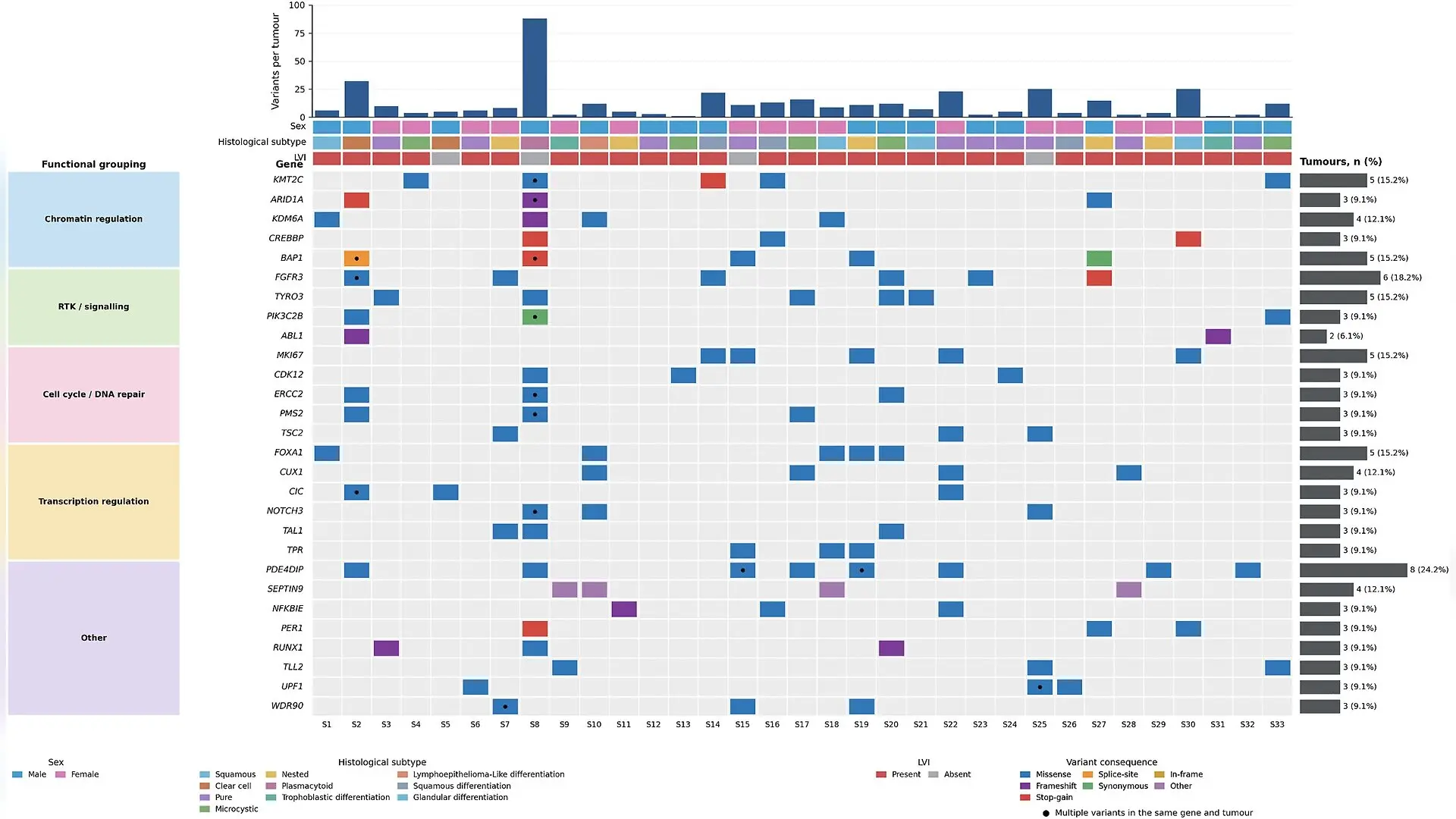
A genetic analysis of 33 bladder tumors from Ugandan patients reveals a high frequency of missense changes and a prominent group of gene variants of uncertain clinical significance. The research, published in PLOS One, sheds new light on the molecular features of muscle-invasive urothelial carcinoma in an underrepresented population.
What Does the Genetic Landscape of Ugandan Bladder Cancer Look Like?
Bladder cancer is a major global health challenge, with aggressive muscle-invasive forms representing a difficult therapeutic hurdle. Led by researcher Badru Ssekitooleko at Makerere University and Mulago National Referral Hospital, the study team analyzed archived tissue samples collected between 2019 and 2022 to understand the underlying mutations driving these tumors.
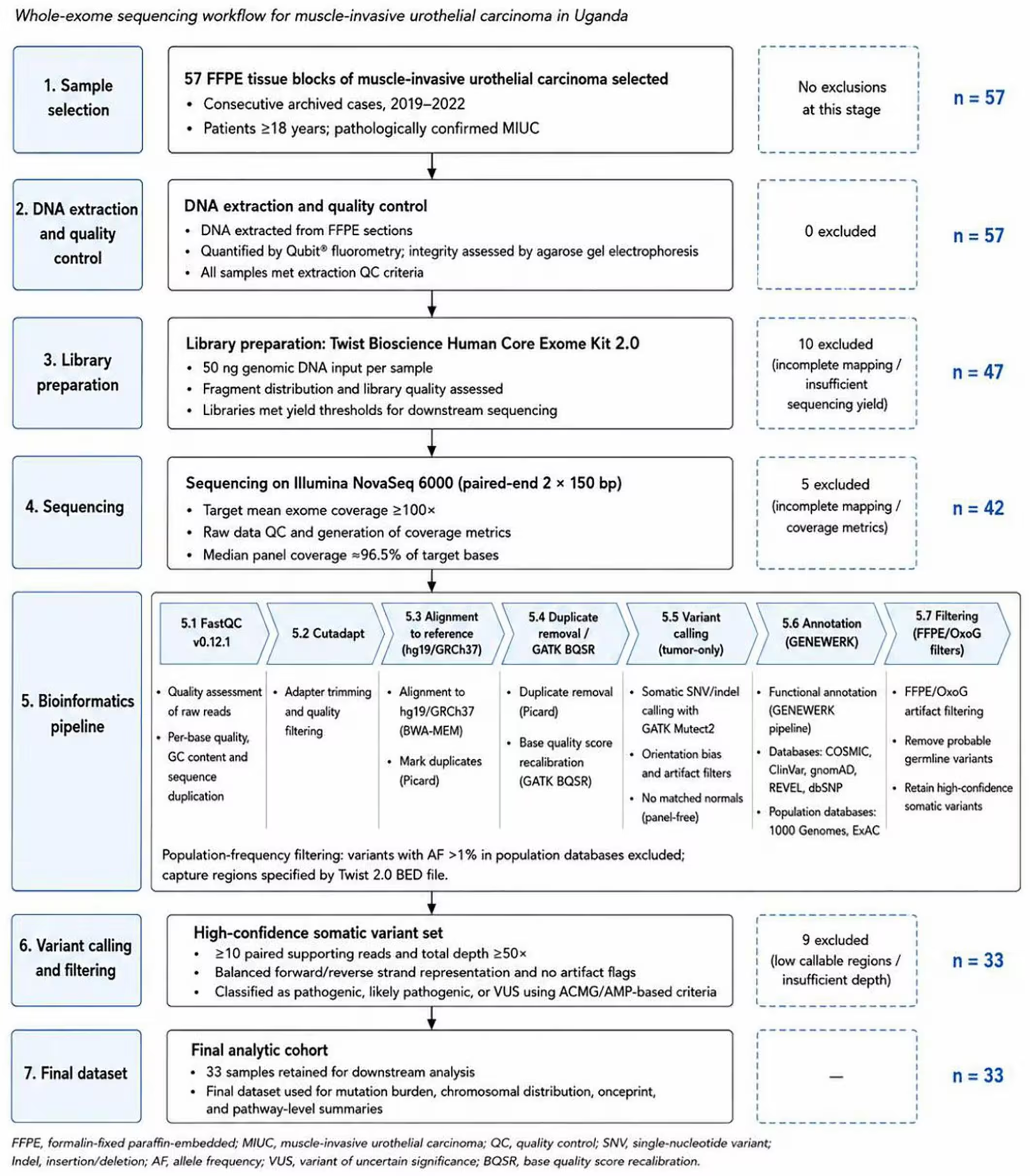
Out of 57 initial formalin-fixed paraffin-embedded tissue blocks, 33 tumor samples successfully passed strict quality controls for whole-exome sequencing, a technique that decodes all protein-coding regions of DNA. The patients had a median age of 56 years, ranging from 30 to 98, with an almost equal split between male and female participants.
Why Do Most Variants Remain of Uncertain Significance?
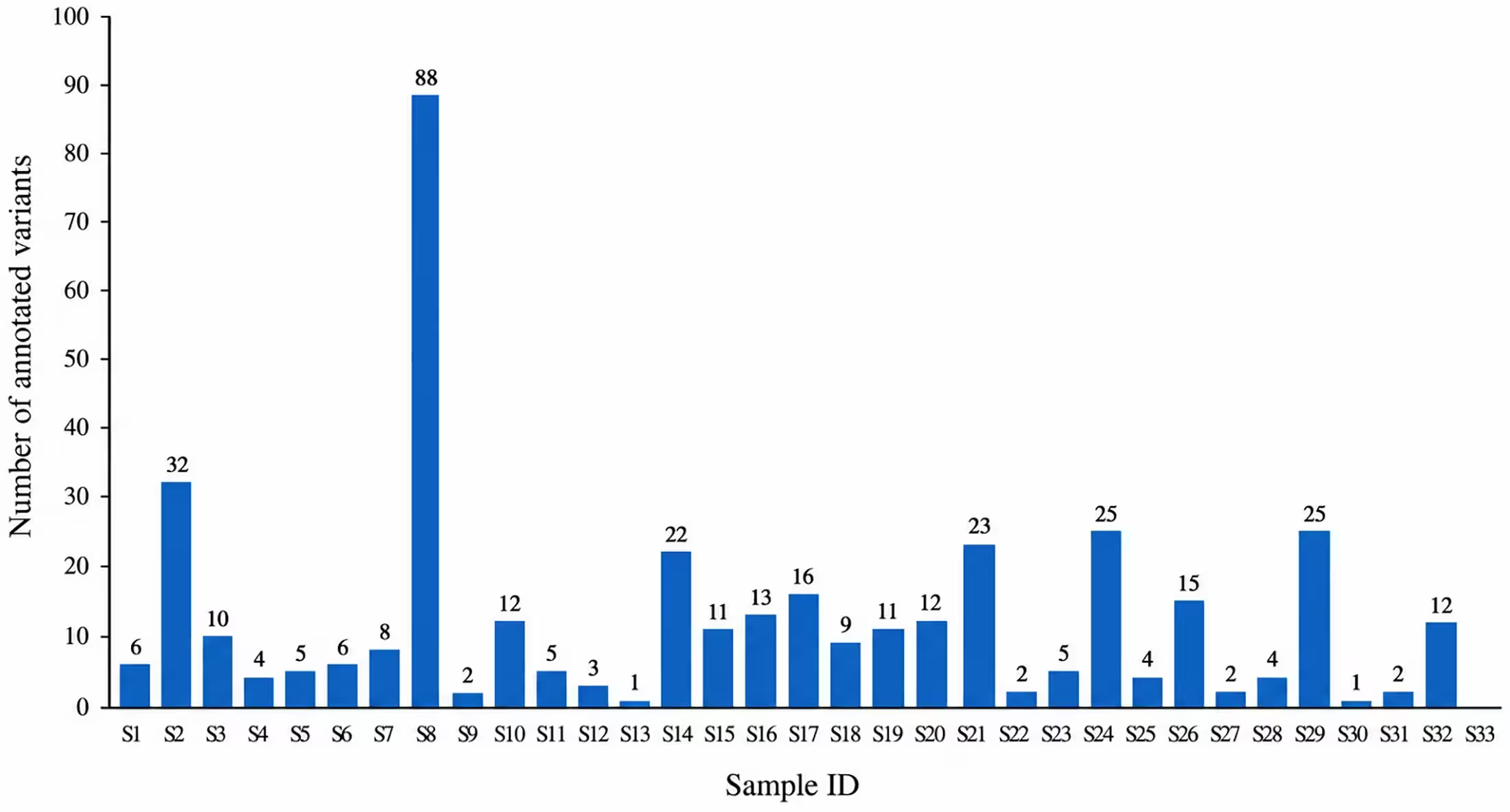
The sequencing work identified 403 annotated genomic variant records across the 33 tumors, averaging about 12 variants per cancer sample. The vast majority of these changes, around 88 percent, were classified as variants of uncertain significance because global genetic databases lack comprehensive reference data from African populations.
Missense substitutions, which alter a single protein building block, accounted for more than 85 percent of all annotated variants. Chromosomes 1, 17, and 19 harbored the highest proportions of these alterations, reflecting the widespread distribution of genetic changes across the genome.
Which Key Genes Showed Recurrent Alterations?
The investigators observed that the gene with the highest frequency of variants was PDE4DIP, appearing in eight of the 33 tumors. However, because this is not a canonical cancer driver, its exact biological role in bladder tumors remains unclear.
Other frequently altered genes included chromatin regulators such as KMT2C and BAP1, each found in about 15 percent of the tumors. Growth-signaling pathways also featured prominently, with FGFR3 altered in six tumors, including the recurrent Ser249Cys change seen in three cases. Interestingly, variants in the well-known tumor suppressor gene TP53 appeared in only two of the 33 tumors, which is lower than the frequencies typically reported in large international cohorts.
What Are the Limitations of the Study?
The authors noted several important limitations, starting with the modest sample size of 33 tumors. Because the work relied on tumor-only sequencing without matched normal DNA samples, researchers could not definitively separate somatic mutations from rare inherited germline variants. Furthermore, the analysis did not assess broader structural changes like large copy-number variations or complex mutational signatures.
These findings provide an important baseline for understanding the genomic profile of aggressive bladder cancer in Uganda. Expanding genomic reference datasets across diverse African populations will be essential to improve diagnostic accuracy and advance personalized oncology care.
The research was published in PLOS One on November 24, 2026.
This article has been fact checked for accuracy, with information verified against reputable sources. Learn more about us and our editorial process.
Last reviewed on .
Article history
- Latest version
Reference(s)
- Ssekitooleko, Badru., et al. “Genomic landscape of muscle-invasive urothelial carcinoma in Uganda: A tumor-only whole-exome sequencing study.” PLOS One, vol. 21, no. 11, November 24, 2026, pp. e0333331 Public Library of Science (PLoS), doi: 10.1371/journal.pone.0333331. <https://doi.org/10.1371/journal.pone.0333331>.
Cite this page:
- Posted by Faisal Qureshi