Parasite Hybrid Discovered Inside Peruvian Sand Fly
Genetic analysis of over 5,000 biting insects points to a newly suspected vector for mismatched tropical pathogens.
A tiny blood-sucking insect in Peru carries a bizarre genetic hybrid of tropical parasites that could help scientists unlock how these dangerous pathogens evolve. Researchers investigating cutaneous leishmaniasis, a disfiguring tropical disease that causes painful skin sores, analyzed thousands of biting flies across the Andean highlands and Amazonian foothills of the Department of Cusco.
How Scientists Tracked Thousands of Tiny Biting Flies
To pinpoint which insects spread specific parasites, the team gathered 5,526 female sand flies using light traps set up near rural homes over nine nights in July 2023. Because these insects are difficult to tell apart by eye, the authors used a DNA-based method called PCR-RFLP to identify 5,312 samples down to the species level. This molecular tool relies on cutting genetic material with specific enzymes to reveal unique barcode patterns.
The field work revealed 12 distinct sand fly species living across Calca Province and La Convención Province. The dominant species in the traps were Pintomyia nuneztovari, Lutzomyia quillabamba, and Lutzomyia munaypata. Because different fly species transmit different parasites, mapping their populations is a vital step toward predicting infection risks.
The Unexpected Discovery of a Mixed Genetic Strain
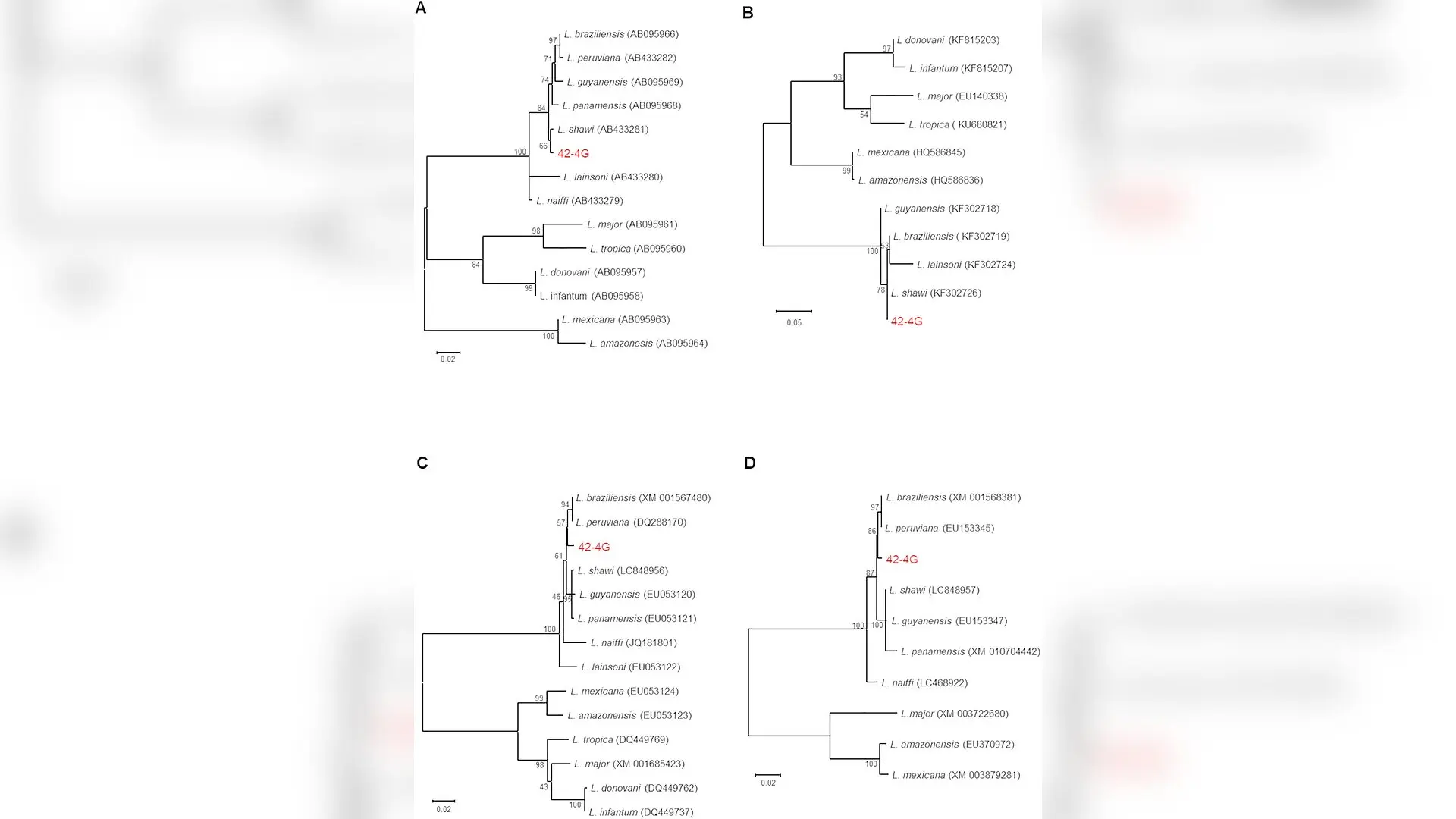
When the authors screened the insects for single-celled parasites of the genus Leishmania, they found a startling genetic mismatch inside a single Lutzomyia munaypata specimen captured in Ccorimayo. As detailed in a study published in PLOS Neglected Tropical Diseases, the parasite exhibited what scientists call kineto-nuclear discordance. This means its mitochondrial or kinetoplast DNA did not match its nuclear DNA.
Specifically, the parasite carried the nuclear DNA of Leishmania braziliensis, which is the primary driver of skin lesions in the region, but it possessed the mitochondrial DNA of Leishmania shawi, a species usually found in Amazonian wildlife like monkeys and sloths. This unusual combination points to a hybrid organism where genetic material has crossed between species, likely inside the gut of the insect vector.
What This Means for Disease Control and Future Research
Finding this hybrid strain inside Lutzomyia munaypata strongly suggests that this specific fly acts as a vector for the unusual parasite. While scientists have previously documented patients infected with these mismatched strains in nearby areas, this represents the first time a potential vector has been caught carrying the hybrid parasite in the wild.
Despite these insights, the authors noted important limitations in their work. They detected only parasite DNA rather than live organisms, and they did not find blood in the gut of the infected fly. Confirming the insect’s exact role as a transmitter will require isolating live parasites and finding mature infectious stages in future field surveys.
The research was published in PLOS Neglected Tropical Diseases on November 18, 2026.
This article has been fact checked for accuracy, with information verified against reputable sources. Learn more about us and our editorial process.
Last reviewed on .
Article history
- Latest version
Reference(s)
- Kato, Hirotomo., et al. “Detection of putative hybrid Leishmania DNA with kineto-nuclear discordance from the phlebotomine sand fly Lutzomyia (Helcocyrtomyia) munaypata in Peru.” PLOS Neglected Tropical Diseases, vol. 20, no. 11, November 18, 2026, pp. e0014884 Public Library of Science (PLoS), doi: 10.1371/journal.pntd.0014884. <https://doi.org/10.1371/journal.pntd.0014884>.
Cite this page:
- Posted by Elizabeth Taylor