Traditional Botanical Extract Cuts Protein Leakage and Preserves Kidney Function in Advanced Disease
A controlled trial shows that adding a plant-derived extract to blood pressure medication significantly reduces severe proteinuria and stabilizes filtration rates in stage IV diabetic kidney disease.

Patients with advanced diabetic kidney disease, a severe microvascular complication affecting millions of individuals globally, experienced significant reductions in protein leakage and stabilized kidney function when treated with a traditional medicinal plant extract alongside standard blood pressure medication. The 48-week randomized controlled trial tracked participants suffering from stage IV diabetic kidney disease, a condition where high blood sugar damages renal filtering units and leads to heavy proteinuria, or excessive protein in the urine, which serves as a major driver of eventual kidney failure.
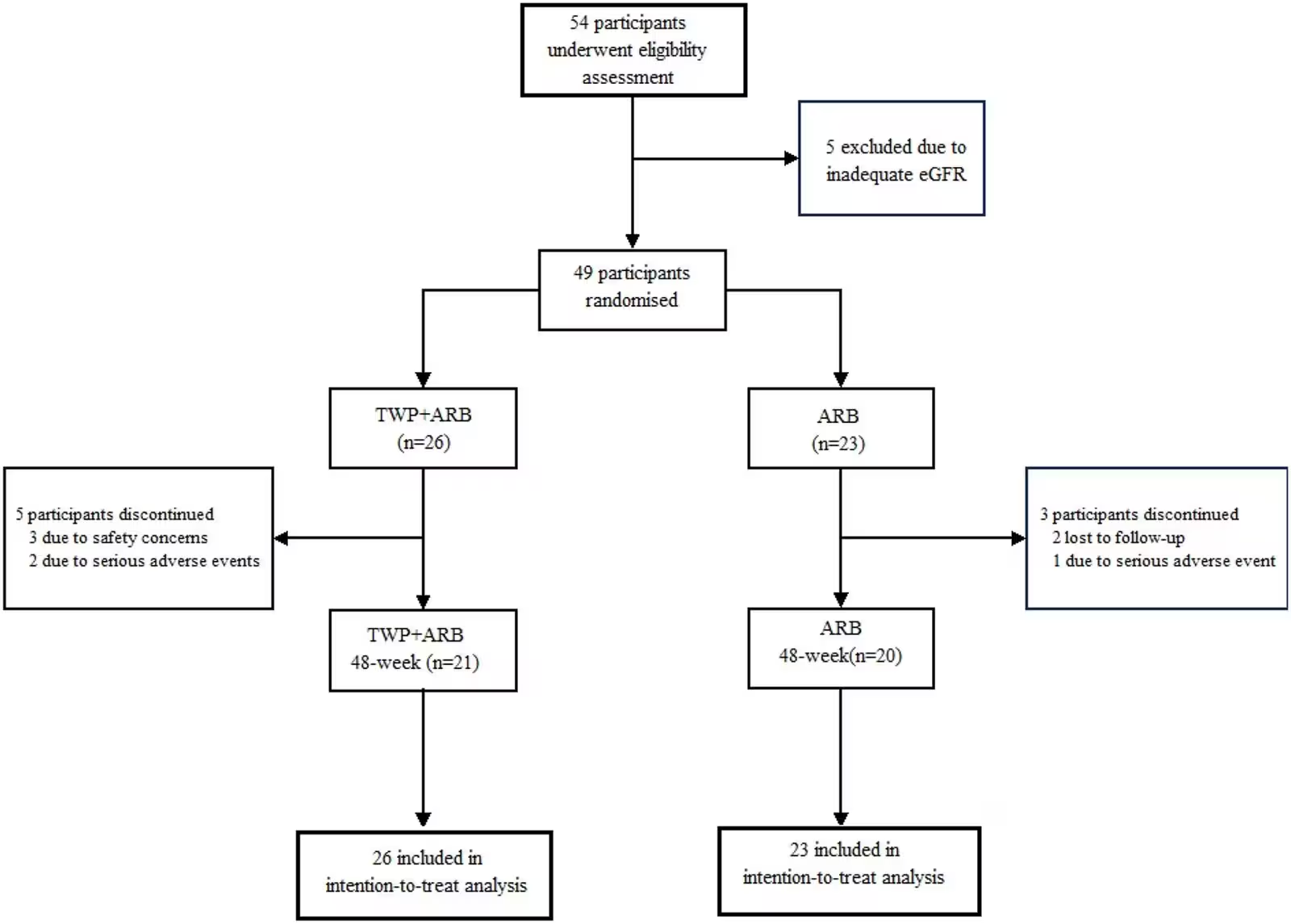
The research, published in Drug Design, Development and Therapy by investigators in Beijing, evaluated 49 patients diagnosed with type 2 diabetes and advanced nephropathy. While conventional management relies on drugs like angiotensin receptor blockers to lower blood pressure and reduce renal strain, many patients still face progressive organ decline. To address this residual risk, researchers combined standard angiotensin receptor blocker therapy with tripterygium wilfordii polyglycosides, an active botanical extract derived from the root bark of a climbing shrub known for its anti-inflammatory properties.
How the Traditional Extract Altered Proteinuria Trajectories
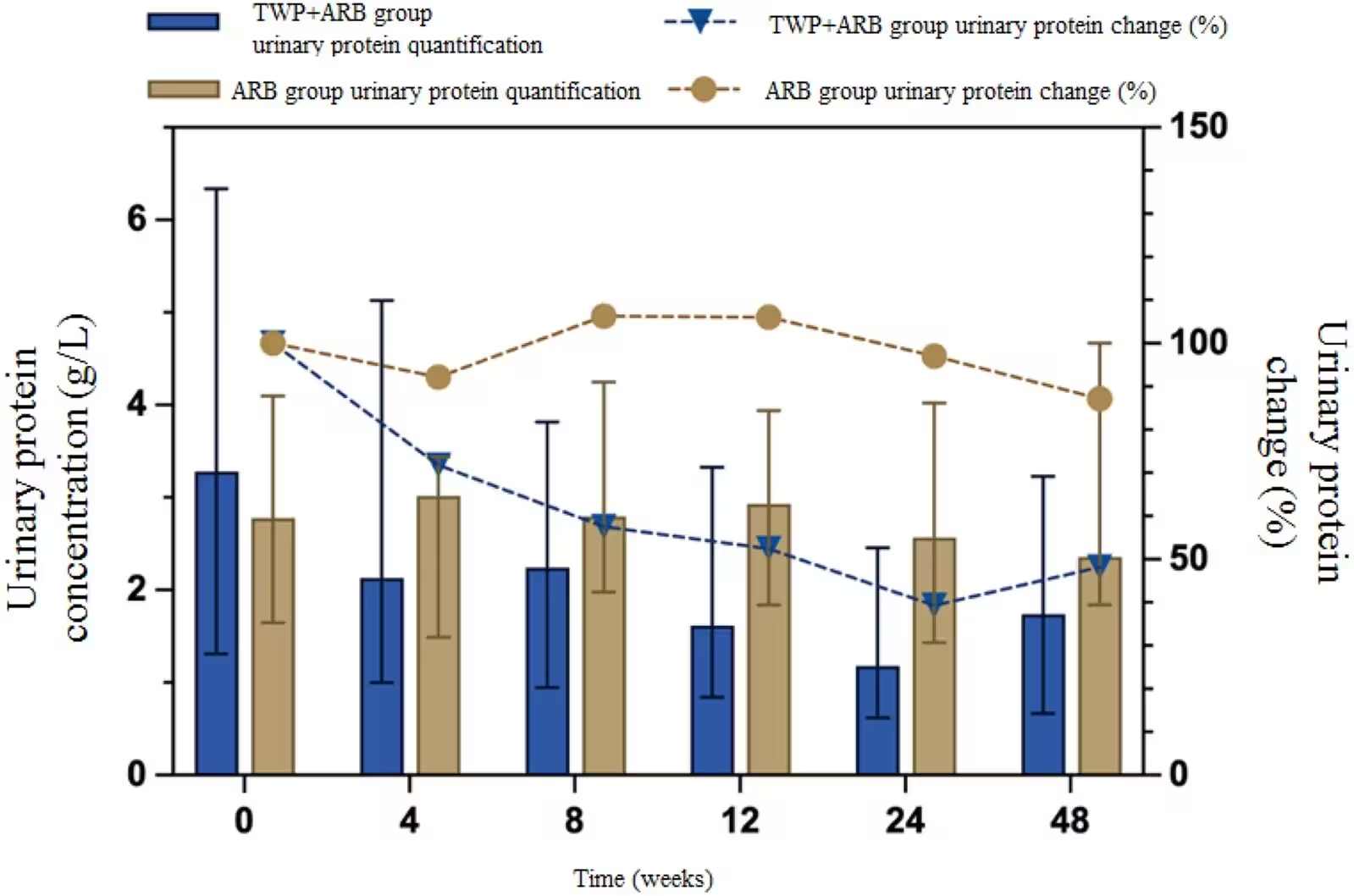
During the 48-week treatment window, individuals receiving the combination therapy showed a median drop in 24-hour urinary protein excretion of 51.78 percent. Approximately 76.9 percent of patients in the combination group achieved at least a 30 percent reduction in protein loss. In sharp contrast, patients receiving only standard angiotensin receptor blocker treatment experienced minimal changes in protein leakage, with a median reduction of just 12.82 percent over the same duration.
Subgroup analyses focusing on patients with biopsy-confirmed diabetic nephropathy revealed even more pronounced effects. In these histologically verified cases, the combination treatment achieved a median proteinuria reduction of 64.53 percent by week 48. Statistical modeling confirmed that the trajectory of protein loss diverged significantly between the two groups over time, pointing to a sustained therapeutic benefit rather than a temporary fluctuation.
Preserving Renal Function Over Long-Term Observation
Beyond reducing protein excretion, the study tracked estimated glomerular filtration rate, a key metric of how well the kidneys filter waste products from the blood. Patients treated with the botanical extract maintained stable filtration rates throughout the 48-week period, moving from a median of 54.2 to 59.8 milliliters per minute. Meanwhile, patients in the control group experienced a statistically significant decline in filtration capacity, dropping from 52.4 to 44.4 milliliters per minute.
An extended follow-up phase lasting a median of approximately 206 weeks provided further insights into long-term disease progression. While overall survival rates showed no statistically significant divergence between the cohorts due to the small sample size, patients in the combination group exhibited a favorable trend regarding the time to end-stage renal disease or the need for renal replacement therapy.
Weighing Potential Safety Concerns and Side Effects
Because the botanical extract carries known pharmacological risks, researchers monitored adverse events closely through frequent clinical evaluations. Side effects occurred more frequently in the combination therapy group, affecting 61.5 percent of patients compared to 34.7 percent in the control arm. Five patients in the combination group discontinued treatment due to safety concerns, encountering issues such as temporary liver enzyme elevations, mild drops in white blood cell counts, and gastrointestinal discomfort.
Serious adverse events in the combination cohort included pulmonary infection, severe diarrhea, acute cerebral infarction, and an infection linked to an insect bite, though authors noted that many of these complications stemmed from underlying comorbidities rather than the study drug directly. During the extended follow-up period, adverse events decreased markedly in both groups, suggesting that patients developed better drug tolerance over time.
Context and Next Steps for Future Clinical Trials
The study authors acknowledged several limitations, including a modest sample size that did not reach the originally targeted statistical power, an open-label design, and a single-center setting. Because a portion of the participants lacked biopsy confirmation, researchers emphasize that larger multicenter clinical trials are required to definitively establish long-term renal survival benefits and optimize dosing protocols before widespread clinical adoption.
The research was published in Drug design, development and therapy on November 12, 2026.
This article has been fact checked for accuracy, with information verified against reputable sources. Learn more about us and our editorial process.
Last reviewed on .
Article history
- Latest version
Reference(s)
- Zhao, Ban., et al. “A Randomised Controlled Trial of Tripterygium Wilfordii Polyglycoside in the Long-Term Treatment of Stage IV Diabetic Kidney Disease (DKD).” Drug Design, Development and Therapy, vol. Volume 20, November 1, 2026, pp. 1-21. Informa UK Limited, doi: 10.2147/DDDT.S640159. <https://doi.org/10.2147/DDDT.S640159>.
Cite this page:
- Posted by Raj Joshi