Rare Genetic Disorder Yields to Targeted Hormone Receptor Antagonist
A 23-year-old woman with severe, treatment-resistant hypertension found relief through a newly approved therapy.

A 23-year-old woman suffering from a rare genetic condition experienced a dramatic drop in dangerously high blood pressure after doctors administered an experimental medication usually reserved for a more common form of the disease. The patient lived with a severe, treatment-resistant form of congenital adrenal hyperplasia, which is a group of inherited disorders affecting hormone production in the adrenal glands.
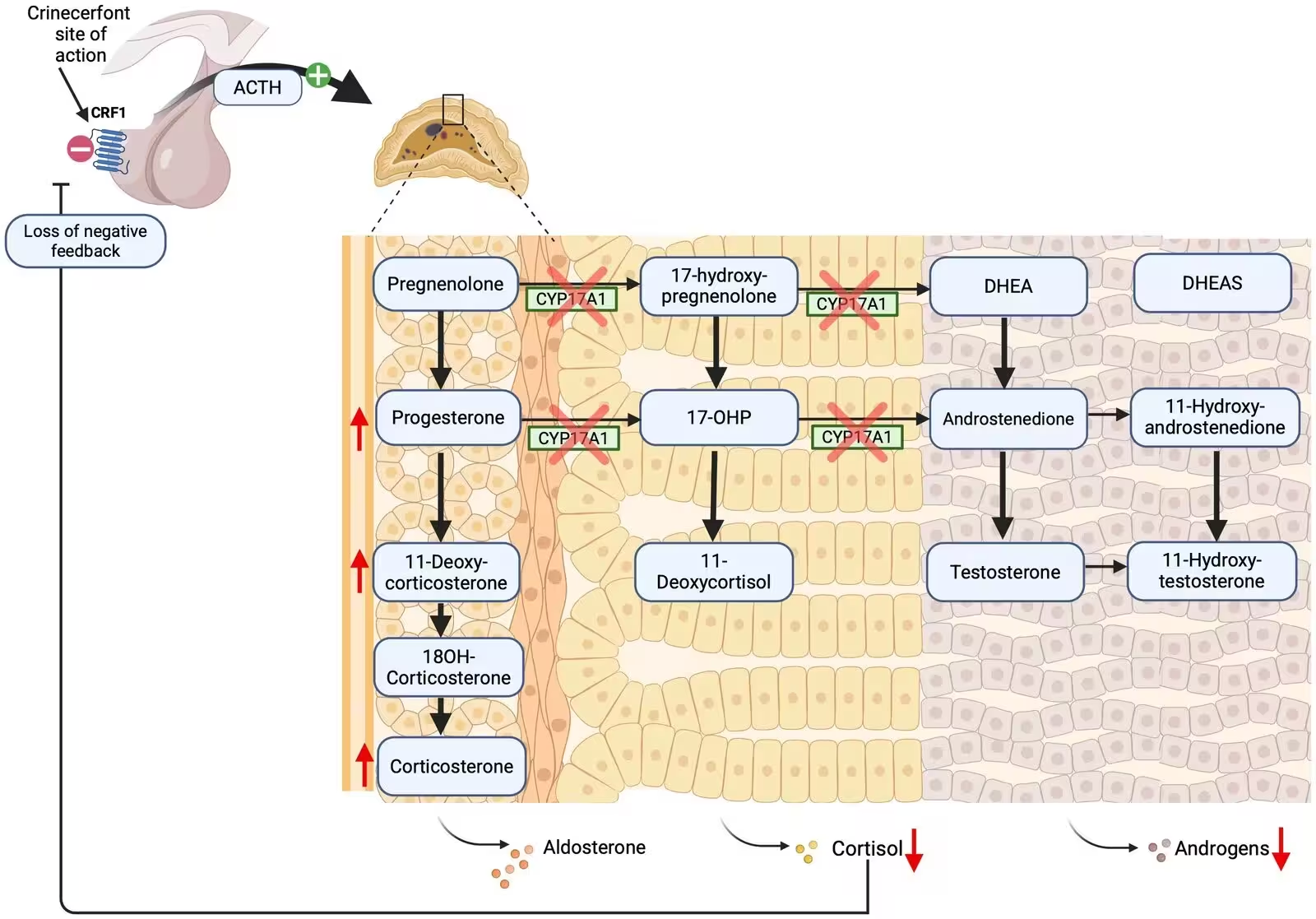
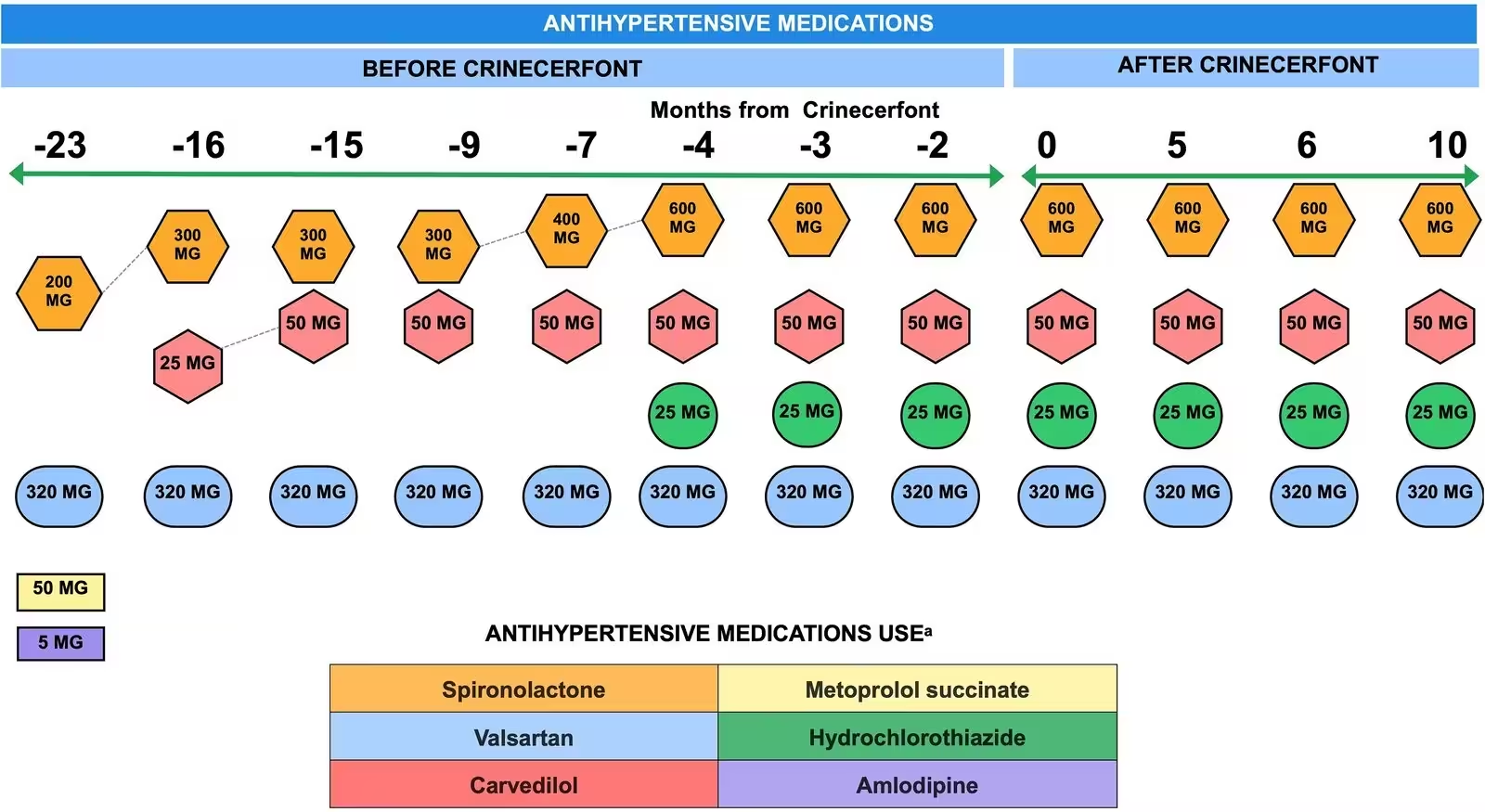
Her condition was specifically caused by a deficiency in an enzyme known as 17-alpha-hydroxylase and 17,20-lyase, accounting for roughly one percent of all congenital adrenal hyperplasia cases. This rare enzymatic block triggers an overproduction of a powerful hormone called deoxycorticosterone, which acts as a mineralocorticoid and drives severe, low-renin hypertension along with low blood potassium levels. Despite taking high doses of multiple blood pressure medications, including 600 milligrams of spironolactone daily, her blood pressure remained persistently uncontrolled at readings above 150 over 120 millimeters of mercury.
To investigate a new therapeutic avenue, the medical team published in JCEM Case Reports detailing the unprecedented intervention. The researchers turned to crinecerfont, a selective corticotropin-releasing factor type 1 receptor antagonist that received U.S. Food and Drug Administration approval in 2024 for classic congenital adrenal hyperplasia. While previous clinical trials focused almost exclusively on the more common 21-hydroxylase deficiency, the drug’s mechanism of blocking pituitary adrenocorticotropic hormone secretion offered a theoretical way to halt the overproduction of adrenal steroid precursors.
How the Novel Drug Restored Hormonal Balance
Before starting the new therapy, the patient required aggressive pharmaceutical regimens that failed to bring her hormone levels into a safe range. Her deoxycorticosterone and pregnenolone concentrations remained exceptionally high, fueling her treatment-resistant hypertension and contributing to significant weight gain. The medical team initiated crinecerfont at a dosage of 100 milligrams twice daily while keeping her glucocorticoid regimen stable.
Following the introduction of the receptor antagonist, the patient experienced a rapid and substantial improvement in both clinical and biochemical markers. Her blood pressure dropped to a much safer range of 120 to 130 over 80 to 90 millimeters of mercury without requiring any further escalation of her antihypertensive medications. Furthermore, her plasma renin activity normalized to 7.4 nanograms per milliliter per hour, and both deoxycorticosterone and pregnenolone concentrations dropped back into normal ranges.
What This Means for Future Rare Disease Treatments
The successful outcome persisted throughout a 12-month follow-up period, demonstrating sustained disease control. During this time, the patient also experienced a reduction in body mass index down to 29 kilograms per meter squared, aided by concurrent weight management therapies. The clinical findings suggest that targeting corticotropin-releasing factor receptors can effectively manage forms of adrenal hyperplasia driven by excess mineralocorticoids that do not respond to conventional care.
The authors noted that ordinary clinical indicators can sometimes be misleading in these rare cases. Throughout the patient’s care, her adrenocorticotropic hormone levels were only mildly elevated or remained within normal limits despite severe underlying disease activity and soaring precursor hormones. This discordance highlights the importance of monitoring specific steroid precursors and blood pressure trends rather than relying solely on standard hormone measurements.
While this single case provides promising evidence, the researchers emphasize that further investigation is necessary to understand the broader utility of corticotropin-releasing factor antagonists in rare adrenal subtypes. For patients who face severe cardiometabolic risks from high-dose steroid treatments and uncontrollable hypertension, this novel therapeutic approach offers a promising path forward.
The research was published in JCEM case reports on November 17, 2026.
This article has been fact checked for accuracy, with information verified against reputable sources. Learn more about us and our editorial process.
Last reviewed on .
Article history
- Latest version
Reference(s)
- Herrera Chancay, Azucena., et al. “Successful hypertension control in 17-hydroxylase deficiency using crinecerfont.” JCEM Case Reports, vol. 4, no. 12, November 17, 2026 The Endocrine Society, doi: 10.1210/jcemcr/luag360. <https://doi.org/10.1210/jcemcr/luag360>.
Cite this page:
- Posted by Raj Joshi