Centuries-Old Pottery Mystery Finally Solved by Microscope Analysis
Archaeologists finally unravel the mystery of strange, out-of-place pottery unearthed near Tampa Bay a century ago, solving a long-standing historical puzzle.
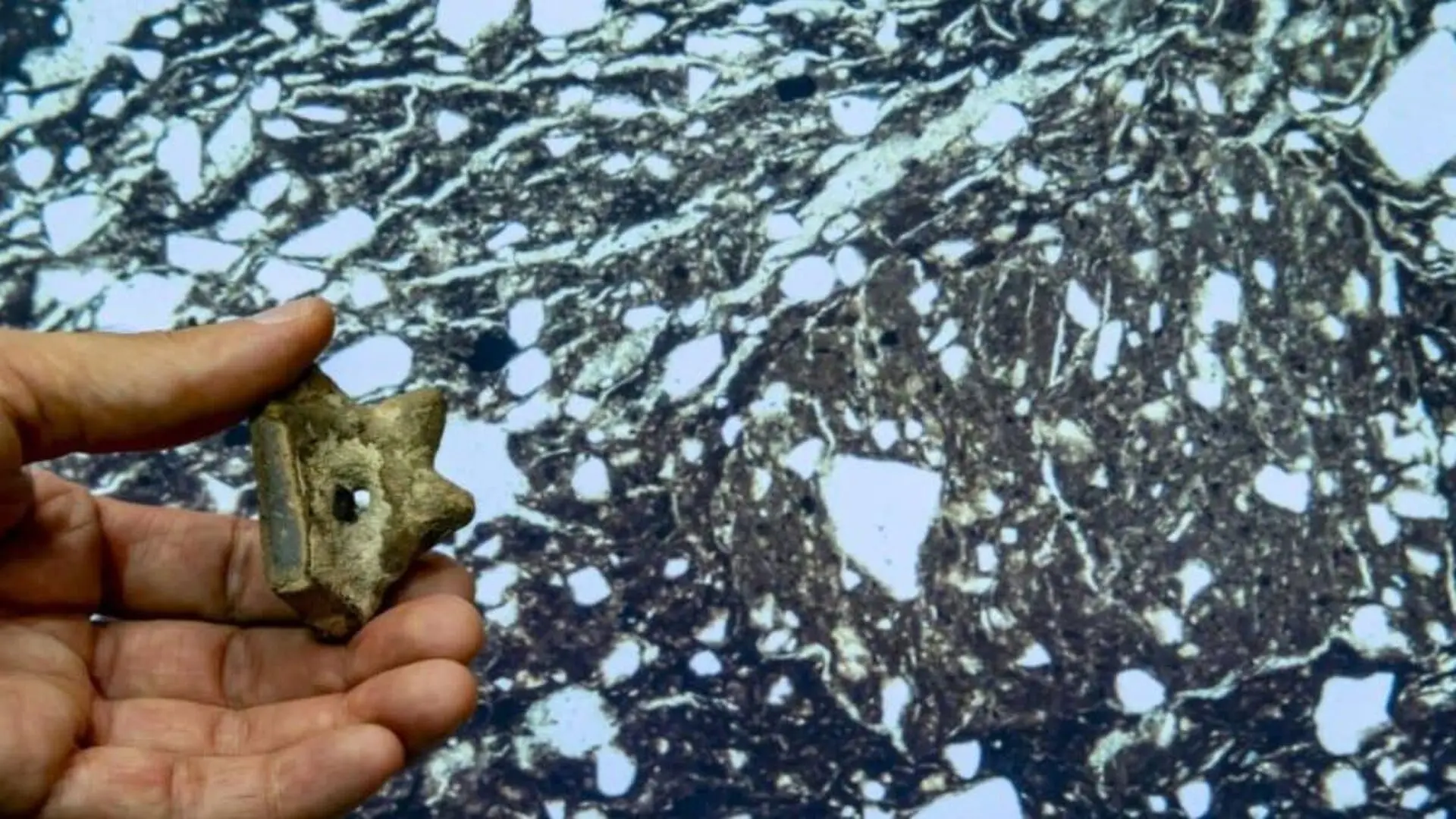
For a century, archaeologists have puzzled over ceramic artifacts unearthed in Florida’s Tampa Bay region that appeared entirely out of place. While the local Safety Harbor culture relied on maritime resources rather than the large-scale maize agriculture synonymous with the Mississippian culture of the American Midwest, the decorative motifs on these pots told a different story. New research has finally clarified this long-standing mystery, suggesting that skilled artisans migrated south from northern Florida, bringing their distinct manufacturing traditions with them.
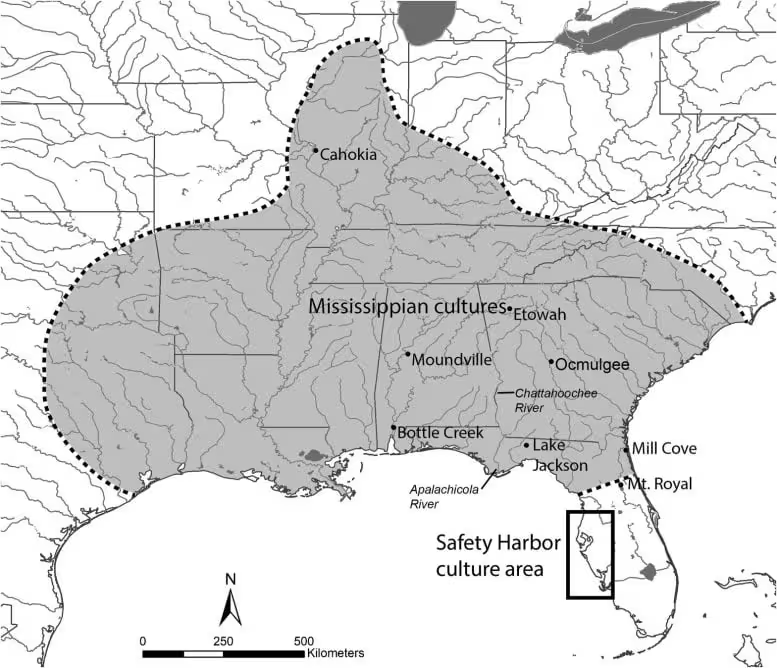
Decoding Local Clay and Foreign Techniques
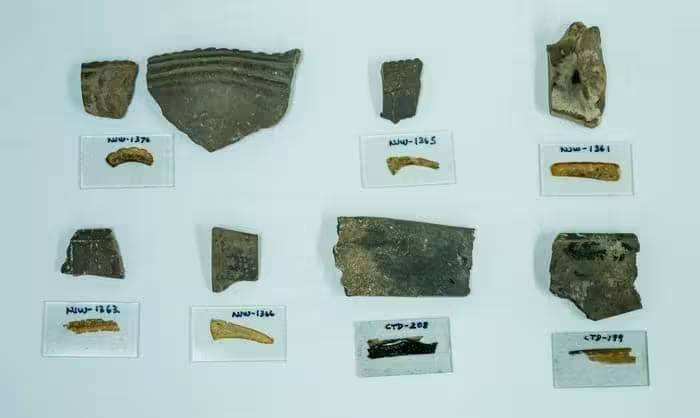
To determine if these vessels were imported trade goods or local creations, a team led by researchers at the Florida Museum of Natural History performed neutron activation analysis on 58 pottery fragments. The results confirmed that the vessels were crafted from clay sourced directly from the Tampa Bay area. However, the manufacturing process—characterized by coil-building techniques and specific clay tempering—differed sharply from the methods used for local, plain-ware pottery.
Neill Wallis, the museum’s curator of Florida archaeology, noted that the presence of these Mississippian-style items within the Safety Harbor context has been a point of contention for decades. While the site featured some architectural similarities, such as mound complexes, it lacked the hallmarks of the northern cultures, including widespread corn farming. The discovery confirms that while the materials were local, the techniques were imported.
Material Evidence of Migration
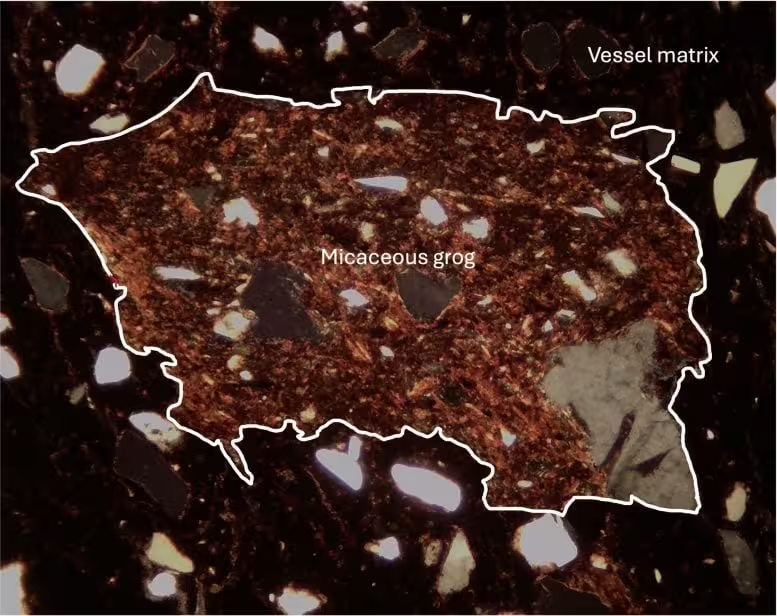
The most telling evidence lay in the “temper,” or materials mixed into the clay to improve its durability. Whereas local Tampa Bay potters had relied on sand or clay chunks for thousands of years, the makers of these decorated vessels utilized “grog”—crushed remnants of old pottery. This material appeared in 80% of the analyzed decorated samples.
Microscopic examination revealed that the grog contained mica, a mineral commonly found in the Florida Panhandle but absent in the peninsula’s southern geology. According to researcher Trevor Duke, this indicates that migrating artisans likely brought fragments of their ancestral pottery with them, crushing these pieces to temper their new, locally produced vessels. This practice served as a distinct material signature of their northern origins.
Social Status and Specialized Knowledge
The researchers believe that this specialized pottery production allowed the newcomers to integrate into existing chiefdoms, such as the Tocobaga or Mocoso, while maintaining a distinct cultural identity. Andrea Torvinen, of the Ceramic Technology Lab, suggests that the technical secrets of the craft—the preparation of the clay and the specific tempering process—likely remained within a closed circle of artisans.
This exclusivity may have served as a source of social capital. By consistently reusing older, grog-filled pottery in their new creations, these artisans were essentially creating “Russian nesting dolls” of material history. As Wallis noted in a recent statement, the repeated use of this material likely transcended practical function, acting as a deliberate, semi-secret marker of heritage and prestige in their new southern home.
This article has been fact checked for accuracy, with information verified against reputable sources. Learn more about us and our editorial process.
Last reviewed on .
Article history
- Latest version
Cite this page:
- Posted by Vikram Desai