Garlic Starch Coating Doubles Banana Shelf Life And Stops Browning
A new surfactant-free edible film made from modified starch and garlic extract locks in moisture and preserves firmness for up to fifteen days.
A new edible coating made from starch and garlic extract can more than double the shelf life of bananas kept at room temperature. The plant-based film acts as a protective skin that slows down moisture loss, delays color changes, and curbs spoilage without relying on synthetic chemical additives.
Postharvest loss of fruits and vegetables remains a major challenge worldwide, especially for delicate crops like bananas that soften rapidly and turn brown just as they reach peak ripeness. Traditional cold-chain logistics and synthetic chemical treatments are expensive or raise consumer safety concerns, prompting researchers to seek greener alternatives.
How Do Starch Particles and Garlic Extract Lock Together?
To build the protective coating, the researchers turned to allicin, the primary bioactive compound found in garlic, which is well-known for fighting microbes and preventing oxidative damage. However, allicin degrades quickly when exposed to heat, light, and oxygen, and it does not mix well with water-based film solutions. To solve this problem, the team used a specialized type of starch modified with octenyl succinic anhydride, an FDA-approved food-grade ingredient, to encase the garlic extract inside microscopic oil droplets.
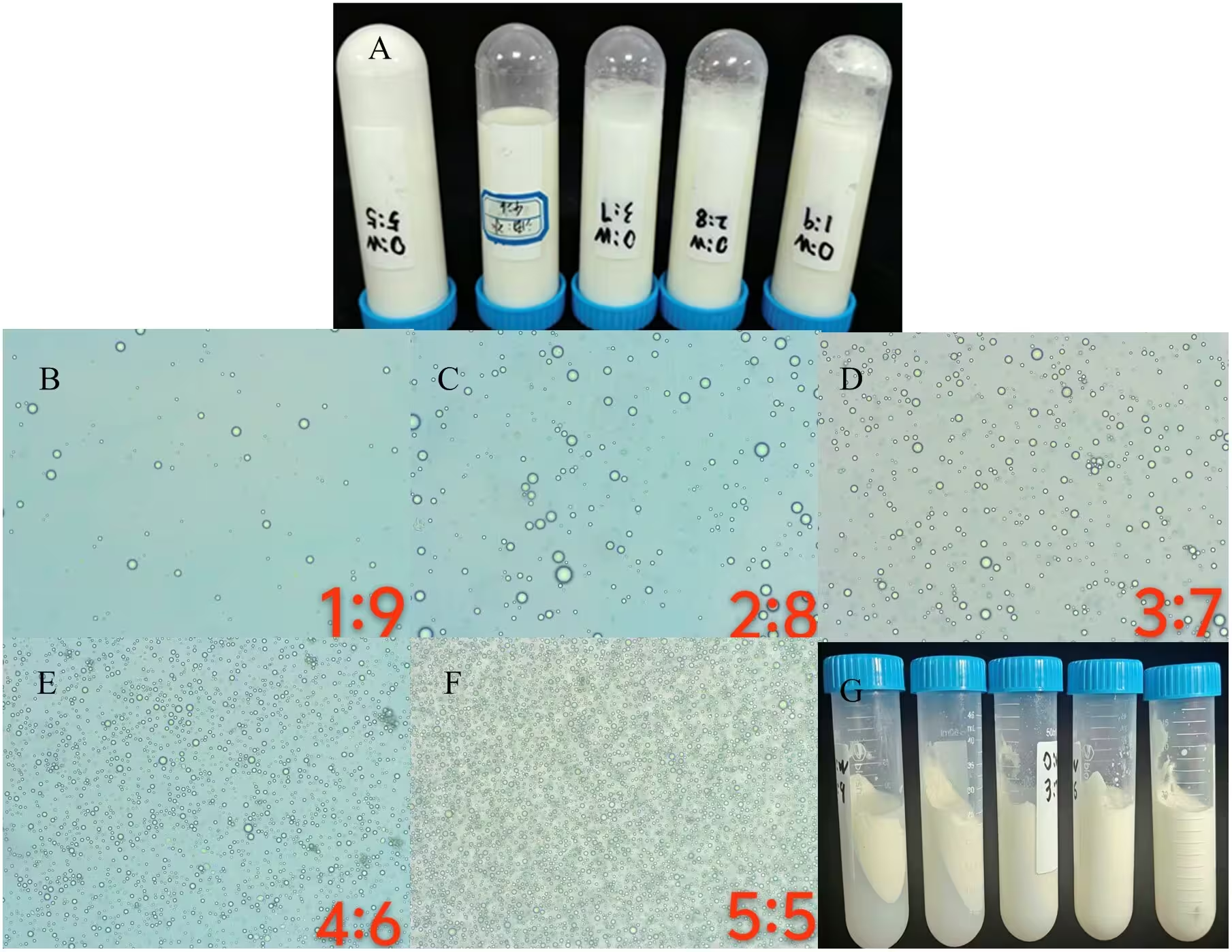
These solid starch particles anchor themselves irreversibly around the oil droplets, forming a tightly packed armor that prevents the droplets from clumping together or leaking oil during drying. This type of stable mixture is known as a Pickering emulsion. The team then blended this emulsion into a water-soluble matrix made from carboxymethyl cellulose, a common food thickener derived from plant cellulose, producing a clear film-forming solution that can be easily applied to whole fruits by simple dipping.
What Happens When Coated Bananas Sit on the Shelf?
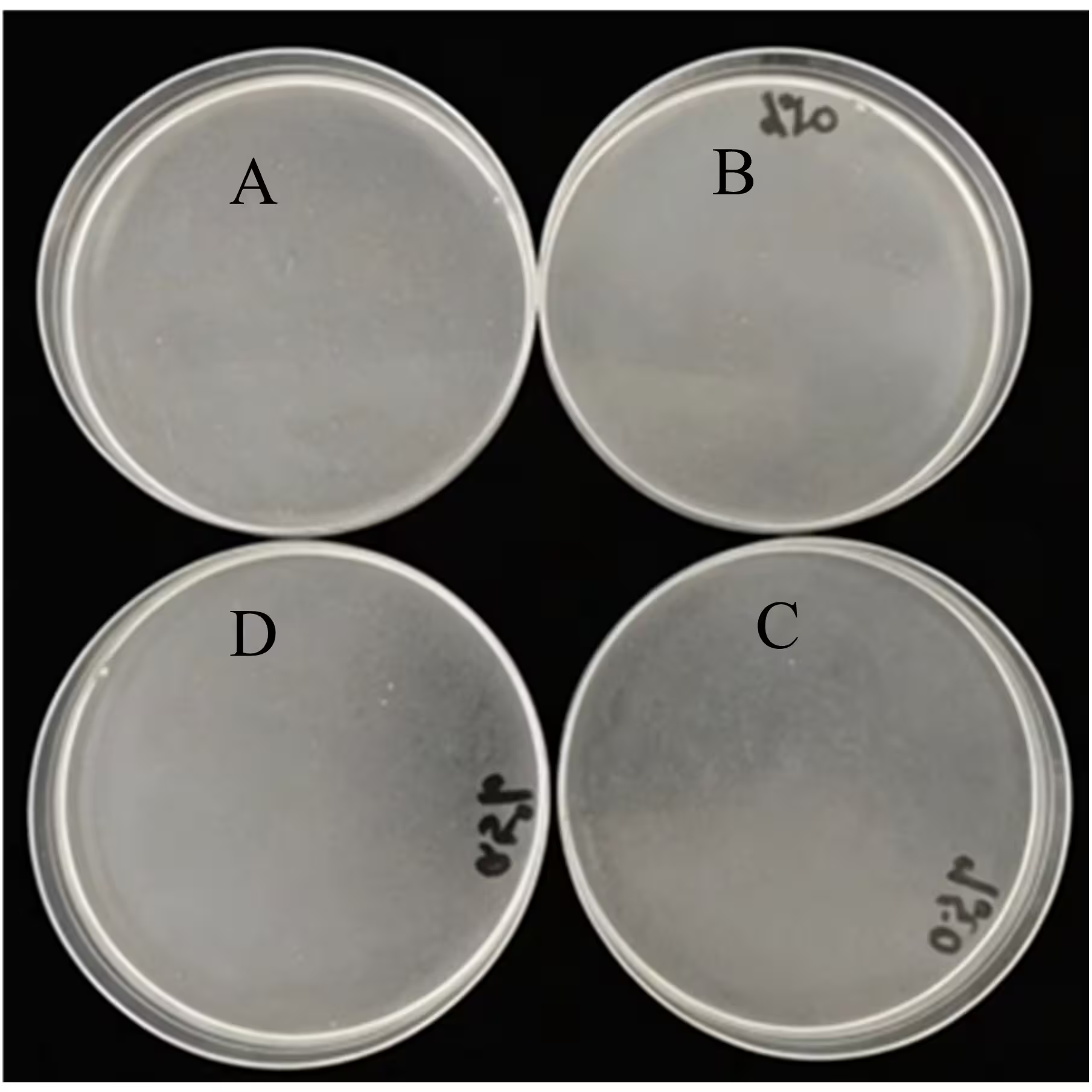
To test how well the coating preserves fresh produce, Yongjie Ma and colleagues at Luoyang Normal University coated freshly harvested bananas and monitored their quality over a 15-day storage period at room temperature, as published in PLOS One. Uncoated control fruit deteriorated rapidly, turning fully yellow and developing severe browning by day 6, and losing commercial value completely by day 15.
In contrast, the bananas coated with an optimal concentration of 0.3 percent allicin maintained their quality much longer. By day 12, the coated fruit had lost only 8 percent of its initial weight, compared with nearly 19 percent for the uncoated control group. The treatment also successfully delayed the conversion of starch into sugars, kept the banana pulp significantly firmer, and preserved acceptable sensory scores through the entire 15-day test.
Why Does the Optimal Concentration Matter for Fruit Quality?
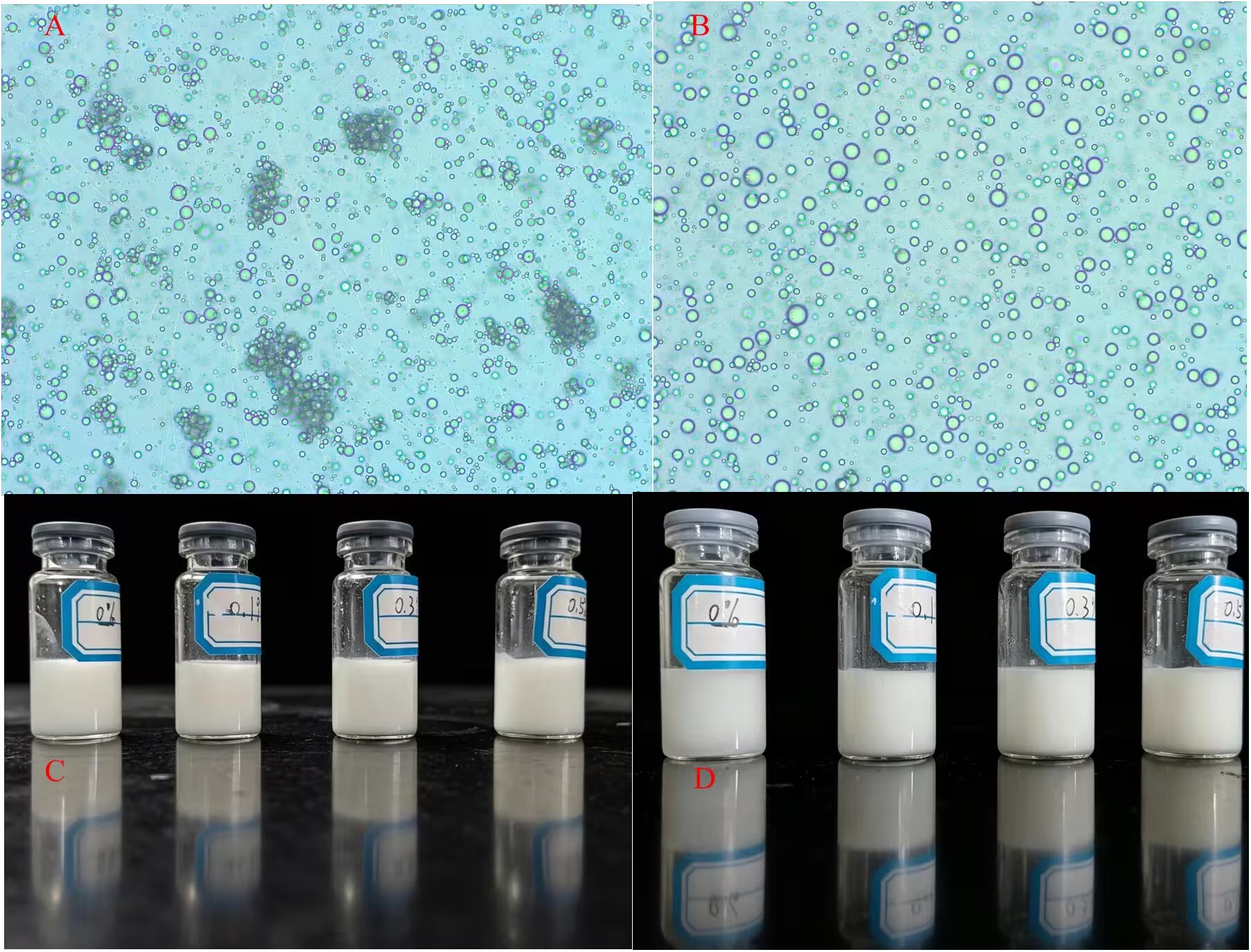
The study tested several allicin concentrations and found that performance dropped when the garlic extract level was either too low or too high. A lower concentration of 0.1 percent failed to provide uniform surface coverage, leading to inconsistent protection and premature browning on some individual fruits. Meanwhile, raising the allicin concentration to 0.5 percent caused particle crowding in the liquid mixture, which reduced coating uniformity and slightly diminished the overall preservation benefit.
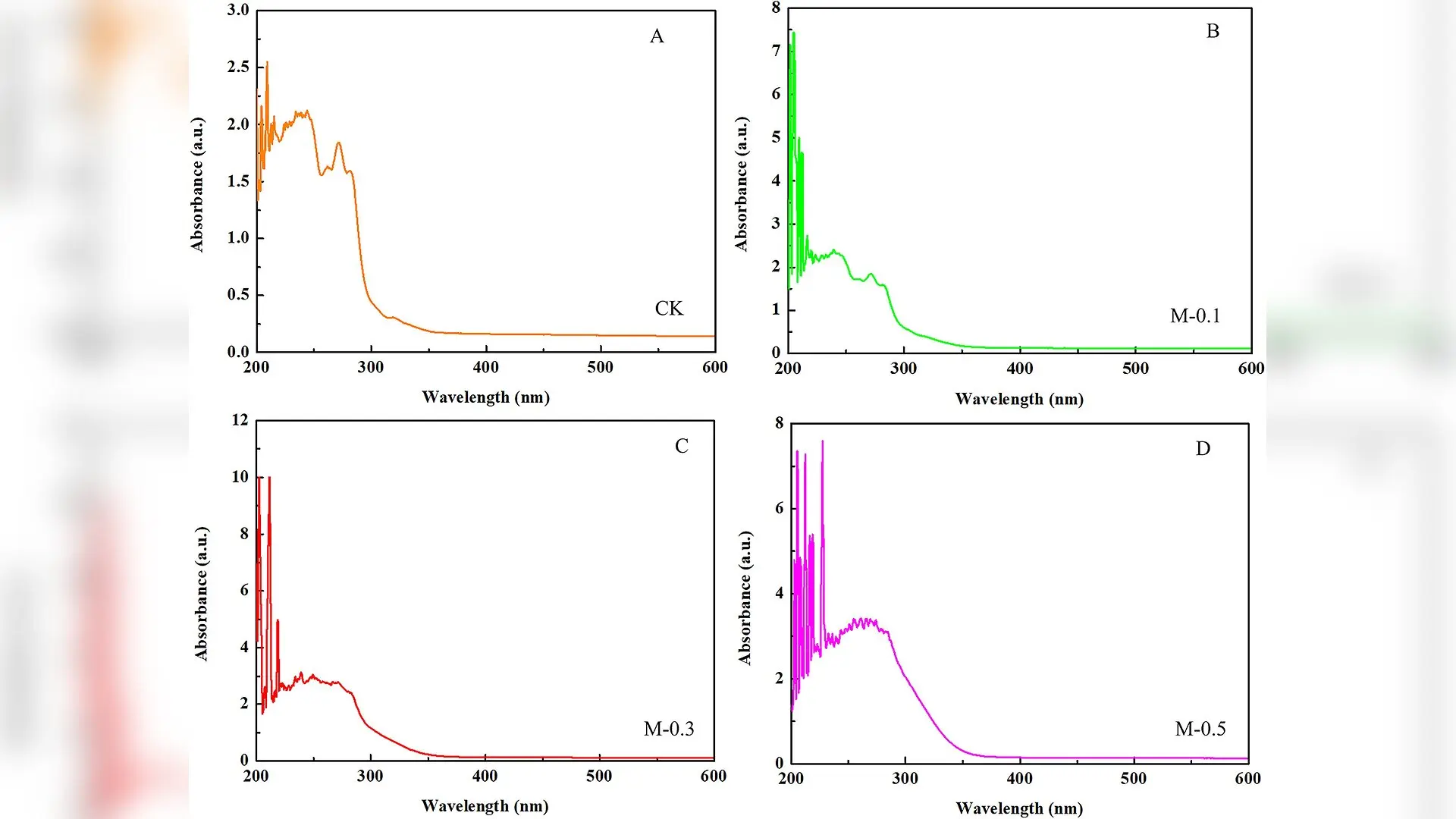
Beyond protecting the fruit from physical decay, the film also provided near-complete attenuation of ultraviolet light in the 200 to 350 nanometer range while remaining transparent enough in the visible spectrum to keep the natural appearance of the bananas fully visible. This combination of strong ultraviolet shielding and controlled moisture retention makes the coating a promising candidate for sustainable food packaging.
What Challenges Must Be Addressed Before Commercial Use?
Despite the encouraging laboratory results, the researchers emphasize that several practical hurdles remain before this technology can reach grocery store shelves. The current study tested only a single fruit variety under one fixed set of laboratory conditions, and it did not measure exact gas permeability or the precise release rate of the active compounds over time.
Additionally, while all components of the film are food-grade materials, formal food-contact safety tests, regulatory compliance checks, and formal economic evaluations have not yet been completed. Future work will need to test the coating on other perishable crops, evaluate its performance under fluctuating supply-chain temperatures, and explore scalable application methods such as industrial spraying or roller coating.
The research was published in PLOS One on November 25, 2026.
This article has been fact checked for accuracy, with information verified against reputable sources. Learn more about us and our editorial process.
Last reviewed on .
Article history
- Latest version
Reference(s)
- Ma, Yongjie., et al. “Allicin-loaded OSA-Pickering emulsion films: A novel edible coating for extending the shelf life of bananas.” PLOS One, vol. 21, no. 11, November 25, 2026, pp. e0363664 Public Library of Science (PLoS), doi: 10.1371/journal.pone.0363664. <https://doi.org/10.1371/journal.pone.0363664>.
Cite this page:
- Posted by Anjali Singh