Mushroom Spore Powder Reverses Fatty Liver Disease and Reshapes Gut Bacteria in Mice
Oral administration of Ganoderma lucidum spore powder matched prescription drug performance by cutting liver fat and reducing systemic inflammation in laboratory animals.
Mushroom Spore Powder Reverses Fatty Liver Damage by Reshaping Gut Bacteria and Blocking Inflammation in Laboratory Mice
Dietary supplementation with a fine powder made from the spores of the medicinal mushroom Ganoderma lucidum successfully prevented and reversed metabolic dysfunction-associated steatotic liver disease, commonly known as fatty liver disease, in male mice fed an unhealthy high-fat diet. The therapeutic intervention, which relies on oral administration of the mushroom material, targets both liver fat accumulation and gut microbial imbalances that drive chronic metabolic conditions. The complete findings are published in Food Science & Nutrition.
How Does Mushroom Spore Powder Protect Against Liver Fat Accumulation?
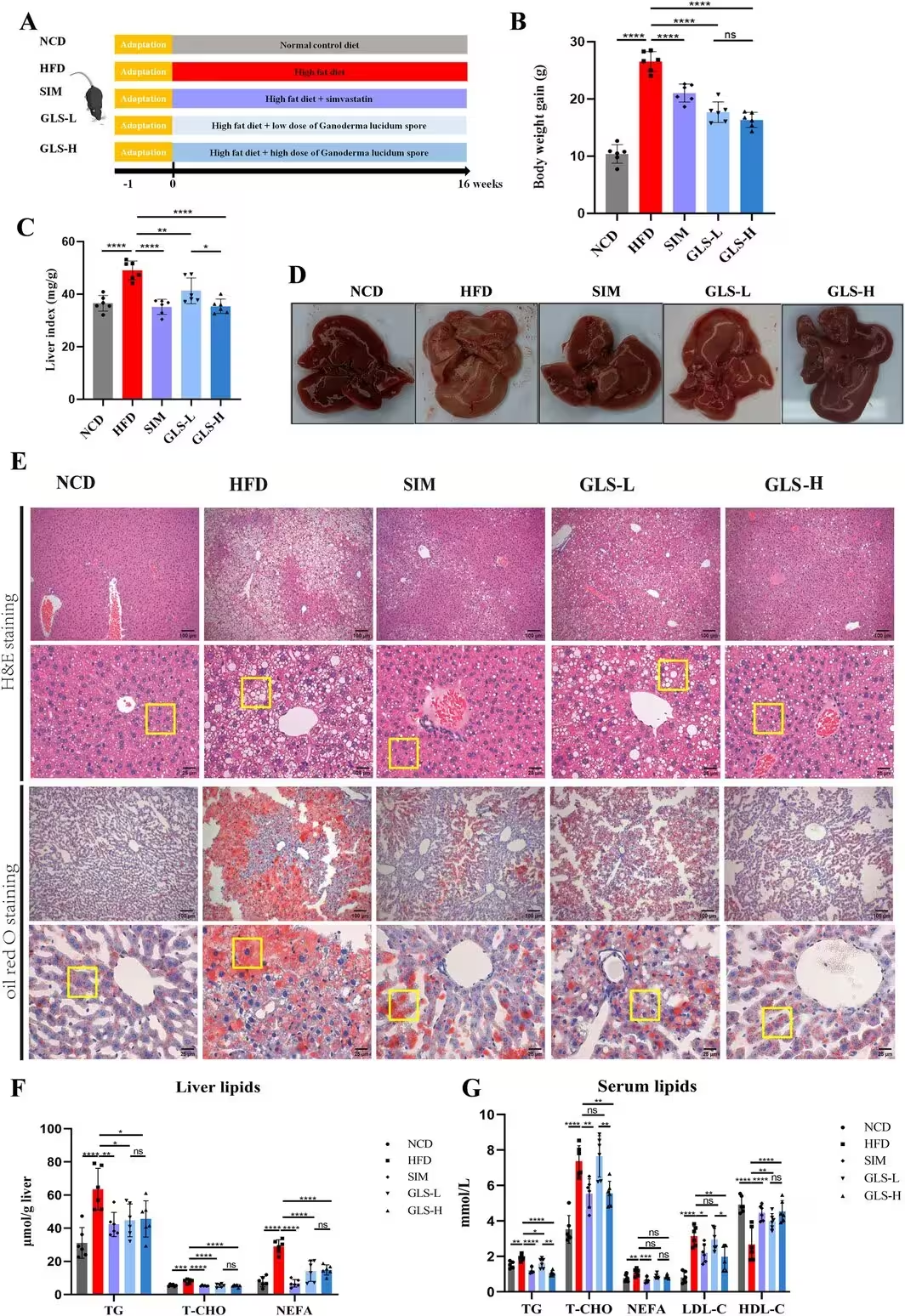
Metabolic-associated fatty liver disease affects about one in four people globally and stands as a leading cause of chronic liver illness. To investigate potential dietary defenses, Lan Yang from Hunan Agricultural University and colleagues divided laboratory mice into groups receiving either a normal diet, a high-fat diet that induced rapid obesity and liver damage, or the high-fat diet supplemented with different doses of Ganoderma lucidum spore powder for 16 weeks. A control group also received the cholesterol-lowering medication simvastatin for comparison.
The researchers observed that mice receiving the spore powder experienced significant reductions in body weight gain, liver weight, and fat accumulation compared to the untreated high-fat diet group. Microscopic examination of liver tissues confirmed that the mushroom treatment markedly decreased visible fat vacuoles and lipid droplets. Biochemical tests further revealed that liver enzymes linked to tissue damage, alongside circulating triglycerides and total cholesterol, dropped significantly toward normal levels in the treated animals.
Which Biological Pathways and Key Microbes Drive the Healing Effect?
To understand the mechanisms behind these improvements, the team analyzed liver proteins and found that the spore powder altered lipid metabolism pathways. Treatment increased the levels of proteins responsible for breaking down fatty acids, such as carnitine palmitoyltransferase 1 alpha and acetyl-CoA oxidase 1, while suppressing proteins that build new fats, including fatty acid synthase and sterol regulatory element-binding protein 1.
Simultaneously, full-length gene sequencing of fecal samples revealed profound shifts in the gut microbiome. While a high-fat diet fostered an overgrowth of the bacterium Lactobacillus murinus, the mushroom spore powder maintained a microbial community dominated by Faecalibaculum rodentium, mirroring the healthy control mice. This specific bacterial balance enhanced the production of butyric acid, a short-chain fatty acid known for reducing inflammation and supporting intestinal barrier integrity.
What Does This Mean for Human Treatments and Future Research?
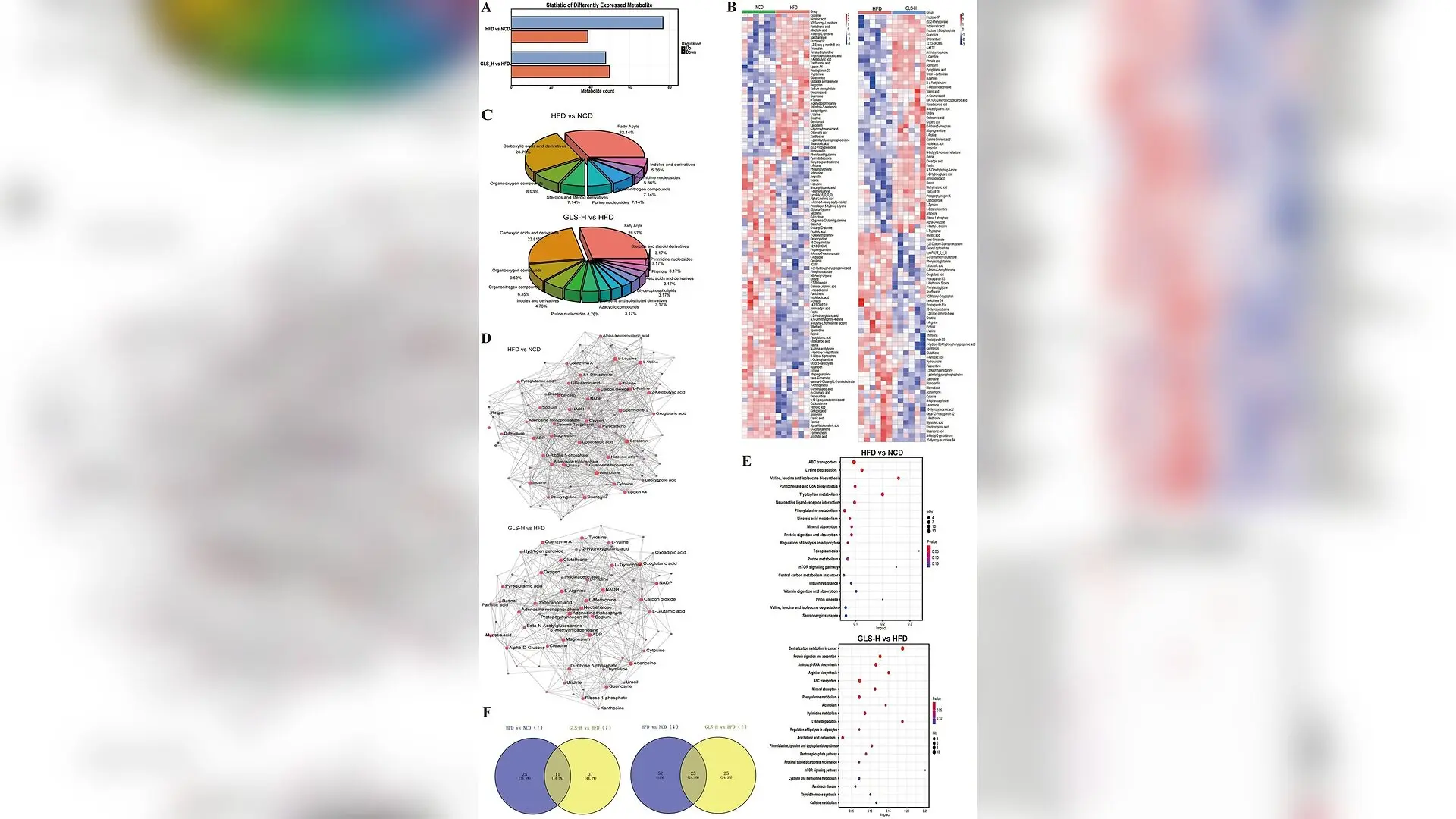
Untargeted serum metabolomics showed that the mushroom supplement reversed high-fat diet-induced disruptions in 36 crucial blood metabolites, including restoring healthy levels of protective molecules like indoleacetic acid and retinol. Notably, the mushroom spore powder matched the lipid-lowering effectiveness of simvastatin while outperforming the pharmaceutical drug in reducing specific inflammatory markers and endotoxins.
Despite these promising laboratory results, the authors emphasize that Faecalibaculum rodentium is primarily a rodent commensal rather than a dominant human gut species. Consequently, safety, optimal dosing, and direct effectiveness must be validated through rigorous clinical trials before these findings can be translated into human medical therapies.
The research was published in Food science & nutrition on November 23, 2026.
This article has been fact checked for accuracy, with information verified against reputable sources. Learn more about us and our editorial process.
Last reviewed on .
Article history
- Latest version
Reference(s)
- Yang, Lan., et al. “Ganoderma lucidum Spore Powder Alleviated High‐Fat Diet–Induced Metabolic‐Associated Fatty Liver Disease and Maintains Faecalibaculum rodentium ‐Predominated Gut Microbiota in Mice.” Food Science & Nutrition, vol. 14, no. 11, November 23, 2026 Wiley, doi: 10.1002/fsn3.72560. <https://doi.org/10.1002/fsn3.72560>.
Cite this page:
- Posted by Robert Brown