Gene Editing Reveals How Five Sugar-Sensing Receptors Drive Tumor-Promoting Immune Cells
Disabling specific lectin receptors on human white blood cells alters lipid metabolism and dampens pro-tumor signaling in a breast cancer model.
Immune cells that infiltrate tumors can fuel cancer growth by suppressing the body’s natural defenses, prompting researchers to search for the specific molecular switches that control this harmful behavior. A team led by Gonçalo Trindade and colleagues at the Portuguese Institute for Blood and Transplantation sought to understand how tumor-associated macrophages, which are specialized white blood cells that help tumors grow and evade the immune system, recognize signals on the surface of cancer cells. Specifically, they investigated five surface receptors known as lectins, which bind to altered sugars displayed by cancer cells, to see how these proteins drive immunosuppressive behavior.
How did researchers test five different lectin receptors at once?
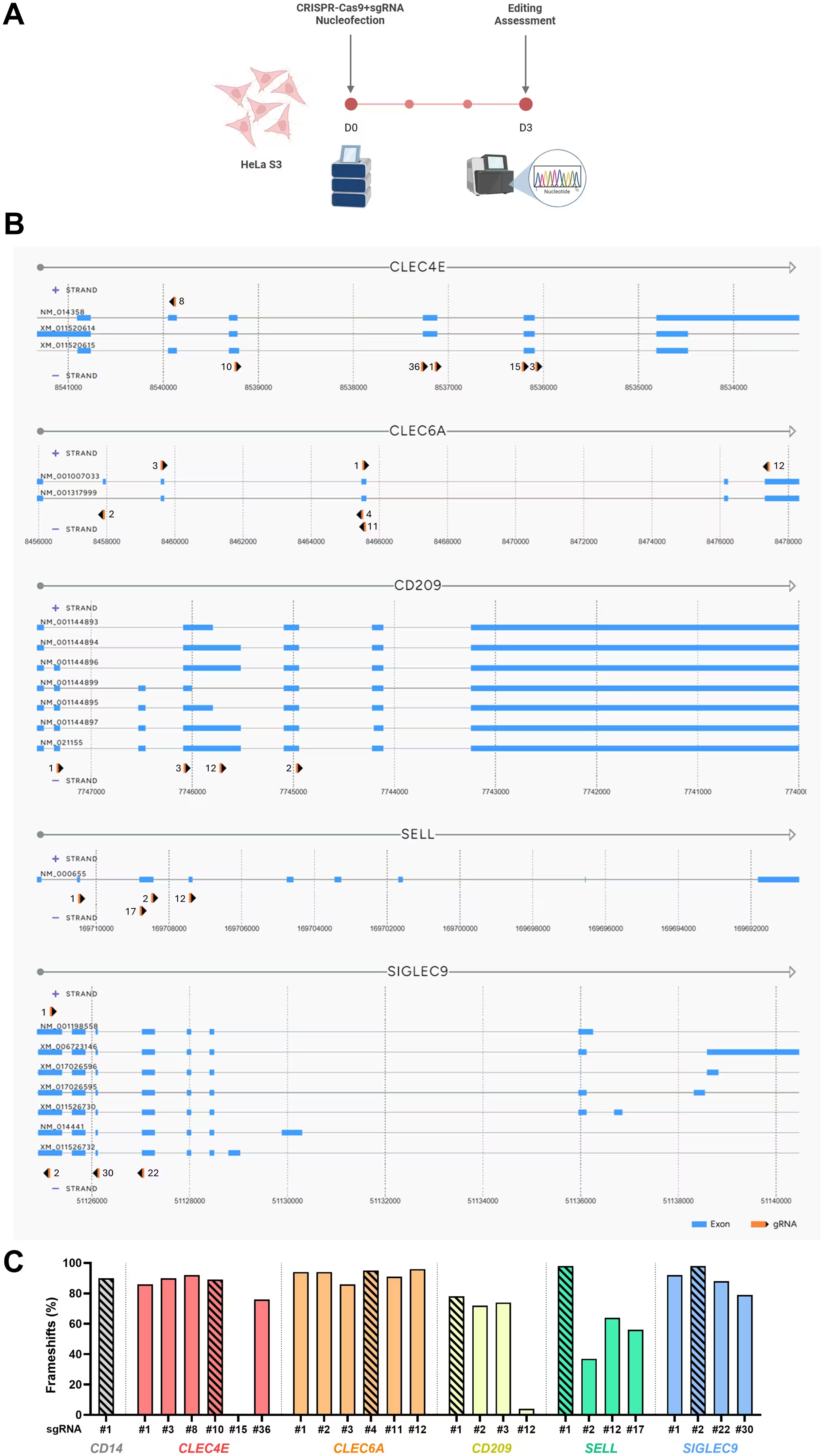
To determine what happens when these lectin receptors are disabled, the investigators utilized a gene-editing technique called CRISPR-Cas9 ribonucleoprotein delivery, which introduces pre-assembled editing machinery directly into primary human monocytes extracted from healthy donors. After screening and optimizing their guide RNAs in laboratory cell lines, they successfully disabled five specific genes, namely CLEC4E, CLEC6A, CD209, SELL, and SIGLEC9, in fresh white blood cells. The team then cultured these edited monocytes alongside breast cancer spheroids to mimic the environment inside a human tumor, allowing them to observe how the loss of each lectin affected macrophage behavior over a seven-day period.
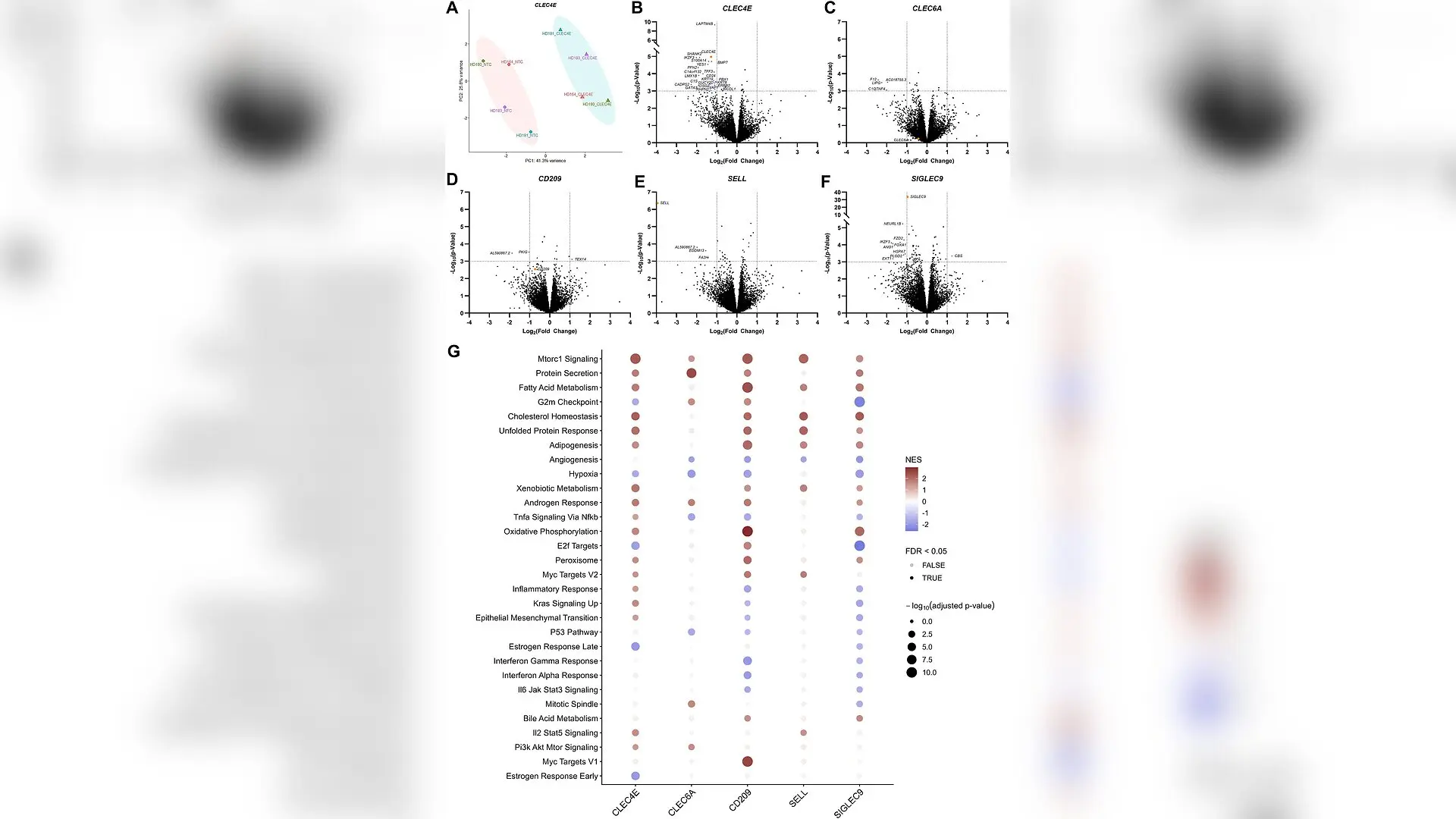
Following this co-culture phase, the researchers isolated the macrophage populations and conducted bulk RNA sequencing to analyze genome-wide transcriptional changes. As published in PLOS One, the transcriptomic data revealed that disrupting these lectin receptors triggered coordinated metabolic and signaling shifts rather than a complete reversal of the macrophage identity. Across multiple targets, the genetic disruptions consistently altered pathways responsible for lipid metabolism, cholesterol homeostasis, and mTORC1 signaling, which regulates cell growth and metabolism. At the same time, several edits led to a reduction in hypoxia- and angiogenesis-associated gene programs, suggesting that these lectin receptors normally help promote oxygen-deprived, blood-vessel-forming tumor environments.
What do these metabolic shifts mean for cancer therapies?
The findings indicate that sugar-sensing lectin receptors act as critical coordinators of metabolic adaptation in tumor-promoting macrophages. By demonstrating that disrupting receptors such as CLEC6A and CD209 remodels lipid-processing and energy-generating pathways, the study points to a direct link between external tumor glycan recognition and internal macrophage metabolism. Because lipid accumulation and altered cholesterol processing are known to help white blood cells maintain their tumor-supportive states, interrupting these specific sensing mechanisms could potentially block how cancers subvert the immune system.
Nevertheless, the authors noted several limitations in their approach, including varying editing efficiencies across different genes and donors, with CLEC4E proving particularly difficult to disrupt completely. Furthermore, the experiments relied on a laboratory breast cancer co-culture model, meaning additional research involving complex vascularized environments and protein-level validations will be necessary to confirm how these transcriptional changes translate into altered immune functions inside living tissues. Ultimately, the work establishes a reliable genetic screening platform that highlights immunometabolic regulation as a promising target for future cancer therapies.
The research was published in PLOS One on November 25, 2026.
This article has been fact checked for accuracy, with information verified against reputable sources. Learn more about us and our editorial process.
Last reviewed on .
Article history
- Latest version
Reference(s)
- Trindade, Gonçalo., et al. “CRISPR–Cas9 editing of myeloid lectins reveals target-dependent transcriptional remodeling in tumor-associated macrophages.” PLOS One, vol. 21, no. 11, November 25, 2026, pp. e0363668 Public Library of Science (PLoS), doi: 10.1371/journal.pone.0363668. <https://doi.org/10.1371/journal.pone.0363668>.
Cite this page:
- Posted by Robert Brown