Rice Drought-Defense Protein Shows Rapid Breakdown in Simulated Stomach Fluid
New laboratory tests evaluate the stability and allergenic potential of a drought-tolerance enzyme slated for agricultural biotechnology.
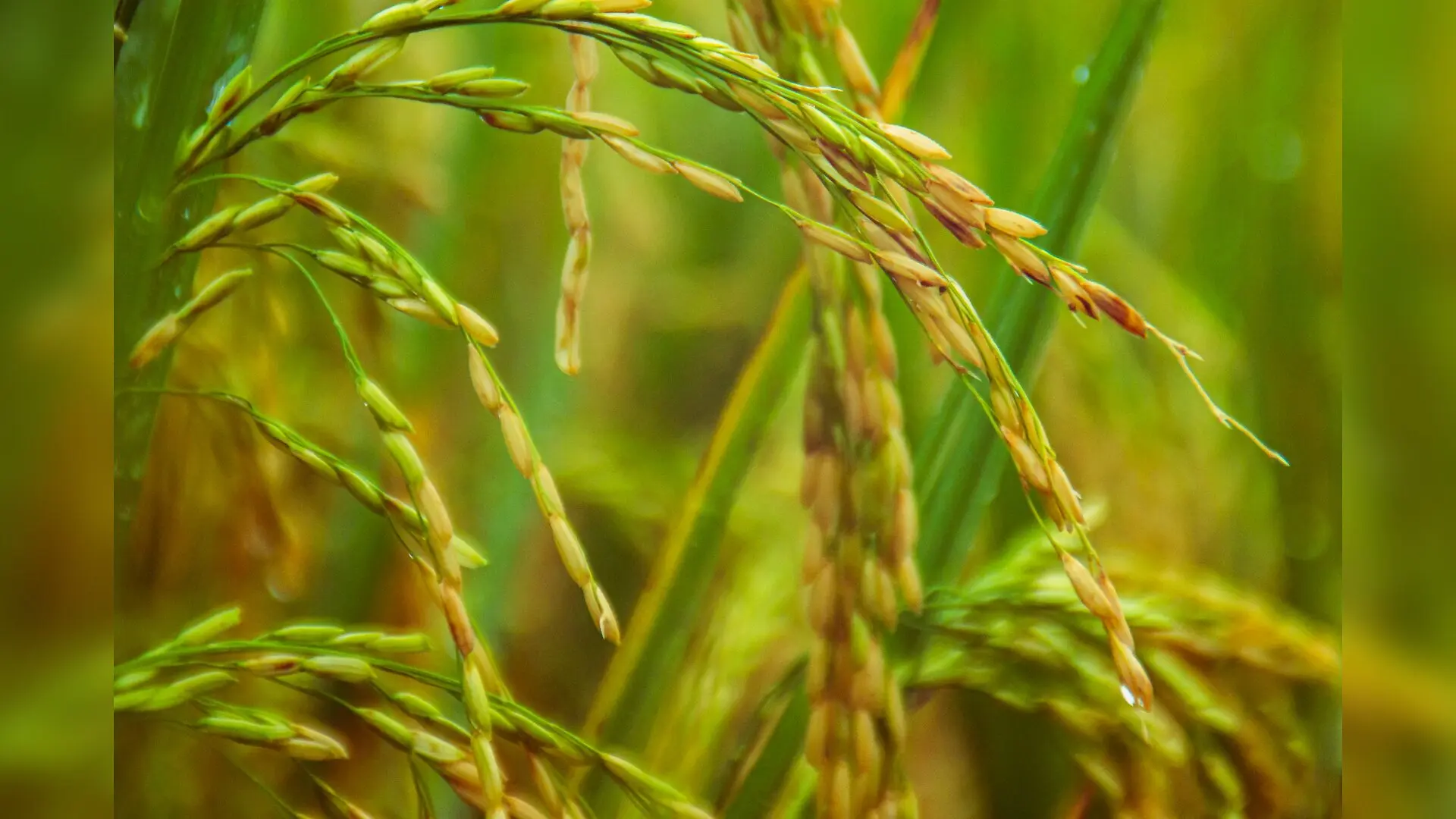
Rice provides a vital dietary staple for over half of the global population, but shifting climate patterns and severe droughts threaten harvests worldwide. Researchers have turned to biotechnology to engineer crops capable of withstanding extreme water deficits, focusing on specific enzymes that regulate cellular stress responses in plants. A team of scientists recently investigated the biochemical and safety profile of one such drought-defense protein, known as OsDIAT, to understand its properties for potential use in future agricultural biotechnology.
The study, published in GM crops & food, provides a preliminary characterization of the recombinant OsDIAT protein produced in laboratory bacteria, combining laboratory stability tests with computational safety screenings. Because extracting sufficient protein directly from plant tissues remains difficult, the authors utilized a microbially produced version of the enzyme to examine its behavior under simulated digestive conditions and thermal stress.
How Did the Recombinant Protein Perform Under Simulated Stomach Conditions?
To evaluate how the protein might behave in human digestion, the team exposed the purified OsDIAT enzyme to simulated gastric fluid containing the digestive enzyme pepsin at a pH of 1.2. Laboratory assays revealed that the intact protein broke down rapidly, becoming undetectable within just one minute of exposure. This rapid degradation suggests that the full-length protein is unlikely to persist in an acidic stomach environment.
However, when researchers tested the protein in simulated intestinal fluid containing pancreatin at a pH of 7.5, the intact protein remained stable for the full 60 minutes of the separate time-course assay. The authors noted that in a real biological system, dietary proteins encounter stomach acid before reaching the intestine, meaning the intestinal stability test represents a separate experimental condition rather than a sequential digestion sequence.
What Happens When the Enzyme Is Exposed to Extreme Heat?
Food processing and cooking frequently expose plant proteins to high temperatures, prompting the researchers to test the thermal stability of OsDIAT at 95 degrees Celsius for up to 150 minutes. Laboratory gel analyses and western blotting demonstrated a gradual decline in the amount of detectable intact protein over time. The full-length protein band became undetectable after 60 minutes of continuous heating at that high temperature.
The research team emphasized several limitations in their thermal and digestive assays. They tested only a single elevated temperature rather than a range of cooking temperatures, and they measured the presence of the protein band rather than checking whether the enzyme retained its catalytic activity. Furthermore, because the protein was produced in bacteria rather than plants, establishing biochemical equivalence with a plant-expressed version will be necessary for future regulatory evaluations.
What Did Computer-Based Analyses Reveal About Toxins and Allergens?
The investigators also conducted extensive in silico screenings by comparing the amino acid sequence of OsDIAT against global databases of known toxins and allergens. Sequence alignments showed no significant matches with proteinaceous toxins, harmful polypeptides, or major food allergens. Most matches were to harmless aminotransferases found across widely consumed plant species in the grass family, including wheat, barley, and sorghum.
Bioinformatic searches for short allergenic peptide sequences found very few matches, most of which were isolated six-amino-acid fragments known to frequently generate false-positive results in computational tools. Additionally, predictive modeling indicated potential N-glycosylation sites on the protein, but because the enzyme lacks signals to enter the cellular secretory pathway, those sites are unlikely to be modified in the living plant.
The authors concluded that while these preliminary findings add supportive data for the history of safe use of the source organism, they do not constitute a complete safety assessment. Future work must demonstrate direct biochemical equivalence between plant-expressed proteins and microbial surrogates before these safety insights can be applied to genetically modified crops.
The research was published in GM crops & food on November 18, 2026.
This article has been fact checked for accuracy, with information verified against reputable sources. Learn more about us and our editorial process.
Last reviewed on .
Article history
- Latest version
Cite this page:
- Posted by Robert Brown