Giant Six-Millimetre Cave Crustaceans With 11 Claws Discovered In Australia’s Totem Pole Cave
Over 80 cave pool specimens reveal a new genus with striking anatomy perfectly suited for perpetual darkness.
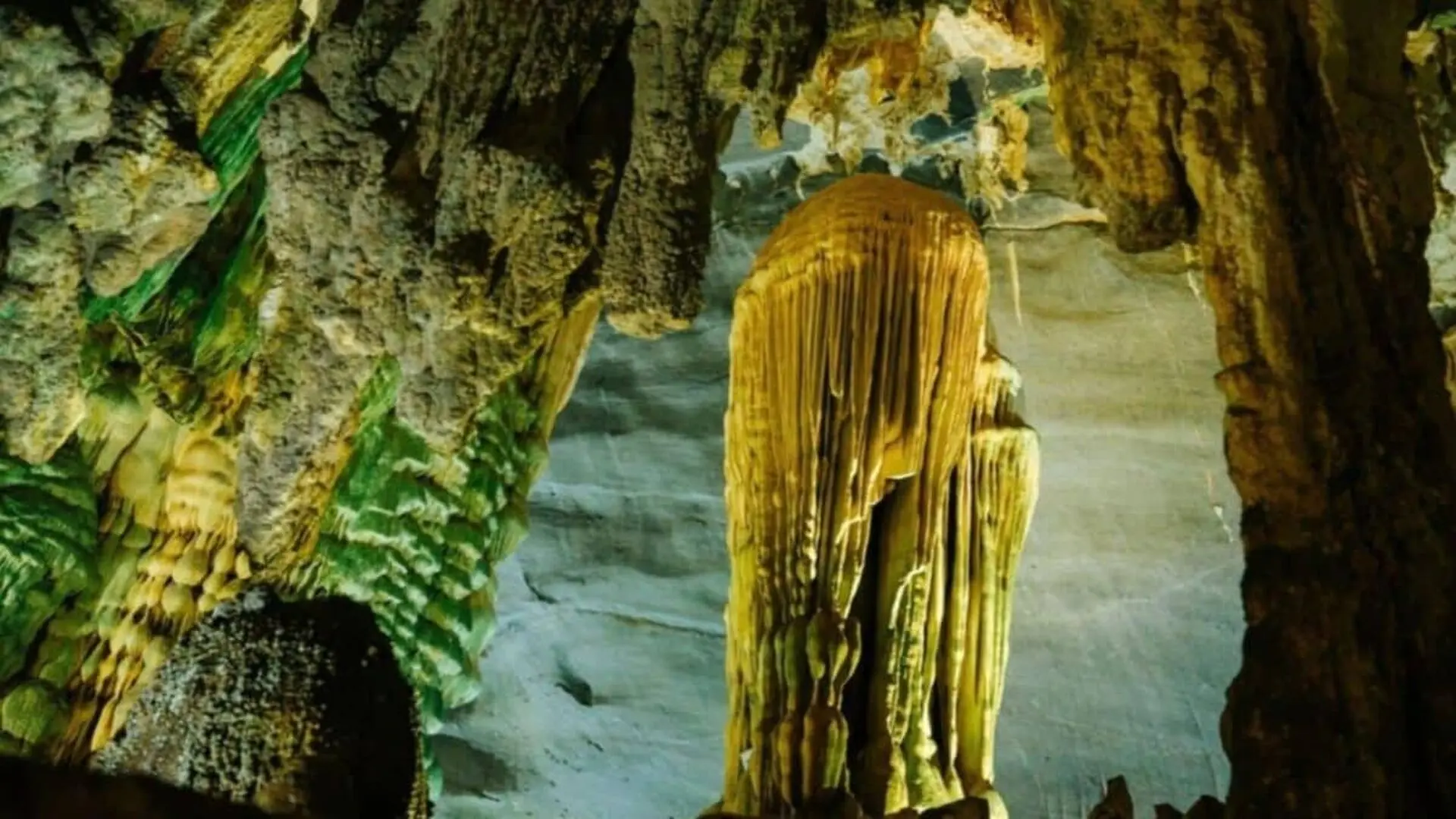
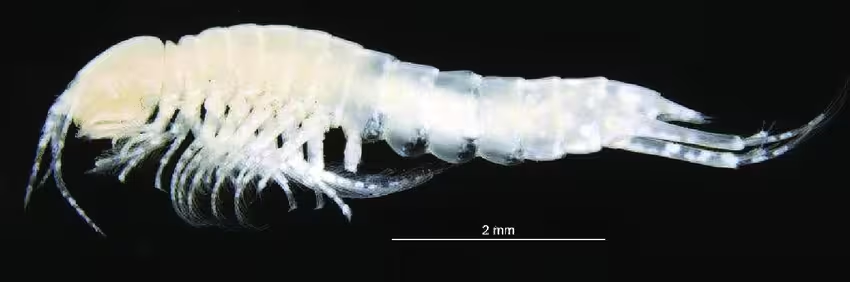
In the limestone karst of Australia’s Northern Territory, researchers discovered a swarm of more than 80 almost invisible crustaceans navigating shallow water pools within Totem Pole Cave. Each individual measured close to six millimetres, a length that far exceeds the usual size range for members of their order.
The team, comprising Ana I. Camacho, Kym M. Abrams and Tim Moulds, described the find as a brand‑new genus and species, Megabathynella totemensis, in a paper released through the European Journal of Taxonomy. This marks the inaugural record of a Bathynellacea member from an Australian cavern.
Totem Pole Cave lies within the Pungalina karst region that stretches along the Gulf of Carpentaria, where limestone dissolution has produced an intricate network of caves, sinkholes and subterranean waterways. The specimens could not be accommodated within any known genus of the family Parabathynellidae, prompting the creation of a new taxonomic group.
Record‑Setting Claw Count Redefines the Genus
A striking feature of M. totemensis is its unusually high number of claws—up to eleven per individual—whereas most relatives in the family possess only seven. Even the closest analogues, such as species in the genus Billibathynella, rarely exceed ten claws, making the new species’ appendage count roughly 57 percent greater than the norm.
The genus name draws from the Greek megas (“large”), while the specific epithet honors the Totem Pole Cave where the organisms were first encountered.
Adaptations for Life in Perpetual Darkness
These crustaceans exhibit a translucent body plan, a common trait among organisms that inhabit aphotic cave systems where pigmentation offers no advantage. Their segmented forms display protruding teeth and pronounced spines along the thoracic wall, visible under microscopic examination.
Each antenna‑like antennule bears more than a dozen articles, with the distal sections equipped with short, curved, barbed setae—a fine‑scale characteristic that helps taxonomists differentiate closely related subterranean species.
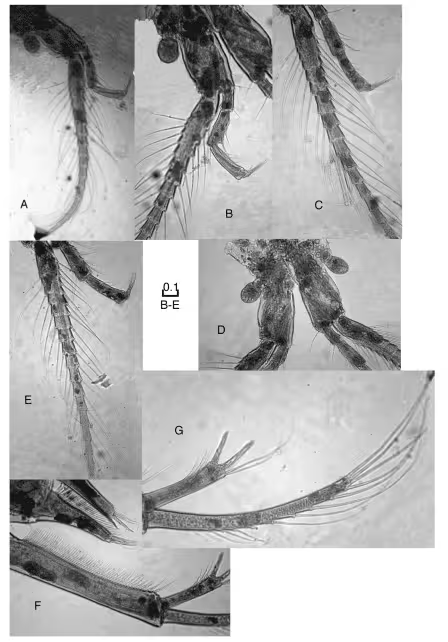
The swimming and feeding limbs (thoracopods) feature exopodal segments that can reach 17 articles, each tipped with a robust spine at the base of its outer setae. Additionally, the male’s reproductive thoracopod VIII displays a morphology unseen in any previously documented Parabathynellidae member.
Giant Bathynellacea Now Known on Every Continent
The discovery adds to a growing inventory of large Bathynellacea species that have been documented across all major landmasses. Prior Australian records of giant forms originated from groundwater aquifers in Western Australia and Queensland, but none had been retrieved from a cave environment until now.
The presence of a sizable Bathynellacea in Totem Pole Cave underscores a broader trend: many of Australia’s karst and aquifer systems remain under‑explored for microscopic fauna, suggesting further novel taxa may await detection.
Camacho and colleagues anticipate that continued surveys of these hidden habitats will reveal additional undescribed species both within Australia and in comparable settings worldwide. The more than 80 individuals recovered from the previously unsampled cave illustrate how such organisms can remain “hiding in plain sight.”
This article has been fact checked for accuracy, with information verified against reputable sources. Learn more about us and our editorial process.
Last reviewed on .
Article history
- Latest version
Reference(s)
- “2545.” <https://europeanjournaloftaxonomy.eu/index.php/ejt/article/view/2545>.
Cite this page:
- Posted by Hassan Raza