Construction Blast Unearths Rare Dinosaur Eggs Containing Perfectly Preserved Embryos
A routine construction blast in China has unearthed rare dinosaur eggs, revealing unexpected paleontological secrets hidden within the ancient clutch.
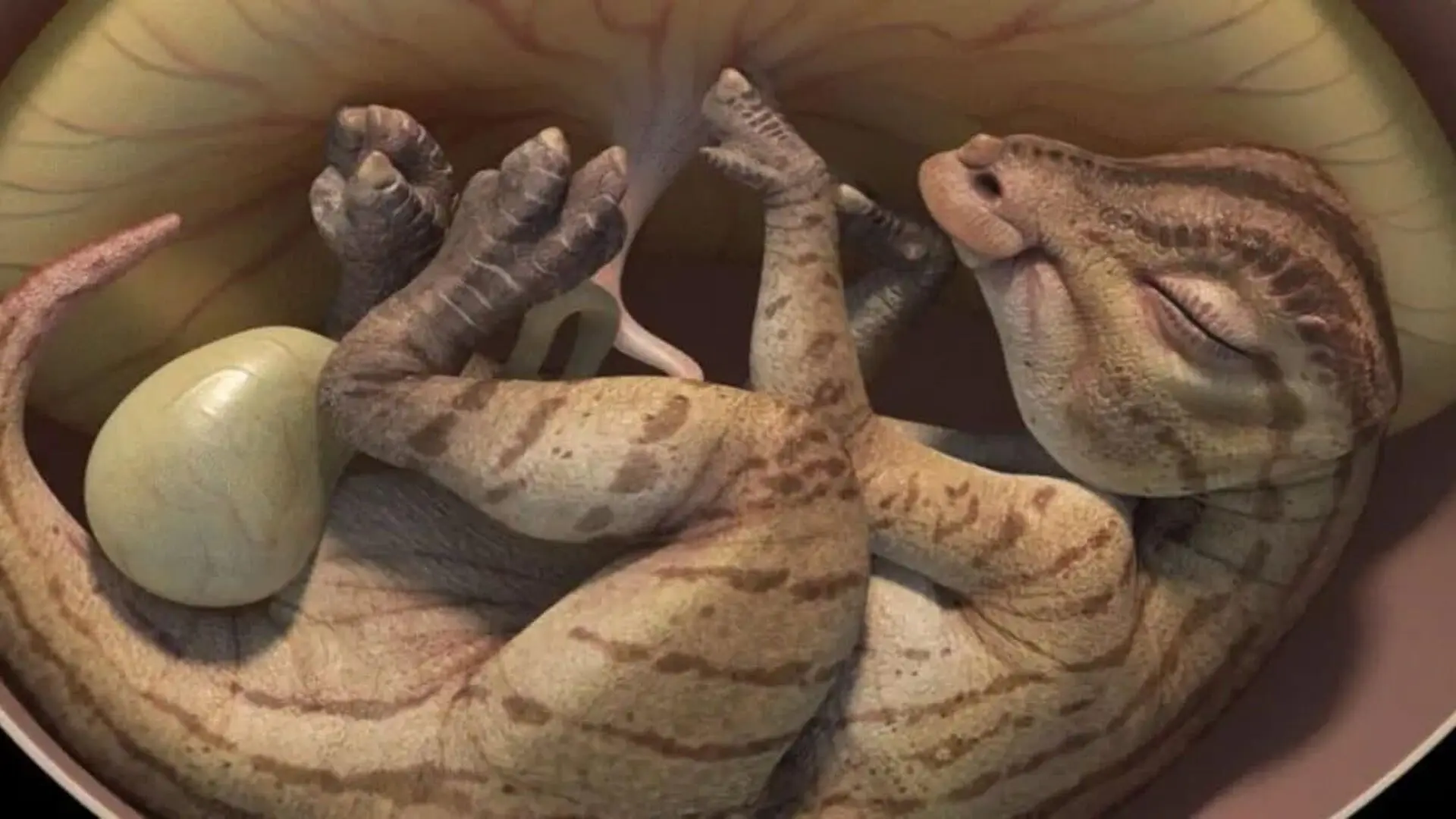
Paleontologists in China have unearthed a rare clutch of dinosaur eggs containing remarkably well-preserved hadrosauroid embryos. Among the specimens is a standout find affectionately dubbed the “Ying Baby,” which offers a high-resolution glimpse into the developmental biology of these massive prehistoric herbivores.
The discovery, detailed in the journal BMC Ecology and Evolution, provides critical data on the life cycles of dinosaurs that roamed the Earth during the Upper Cretaceous period. Because fossilized embryos are exceptionally fragile and rarely survive the conditions required for preservation, such finds remain a significant gap in the scientific record.
An Accidental Discovery in the Ganzhou Basin
The fossils were brought to light during construction activities in Jiangxi Province. As workers cleared ground for a new project, they breached the ancient red rock of the Hekou Formation, revealing a cluster of spherical eggs. Further analysis confirmed that at least two of these eggs contained identifiable remains of hadrosauroids, the group encompassing the iconic duck-billed dinosaurs.
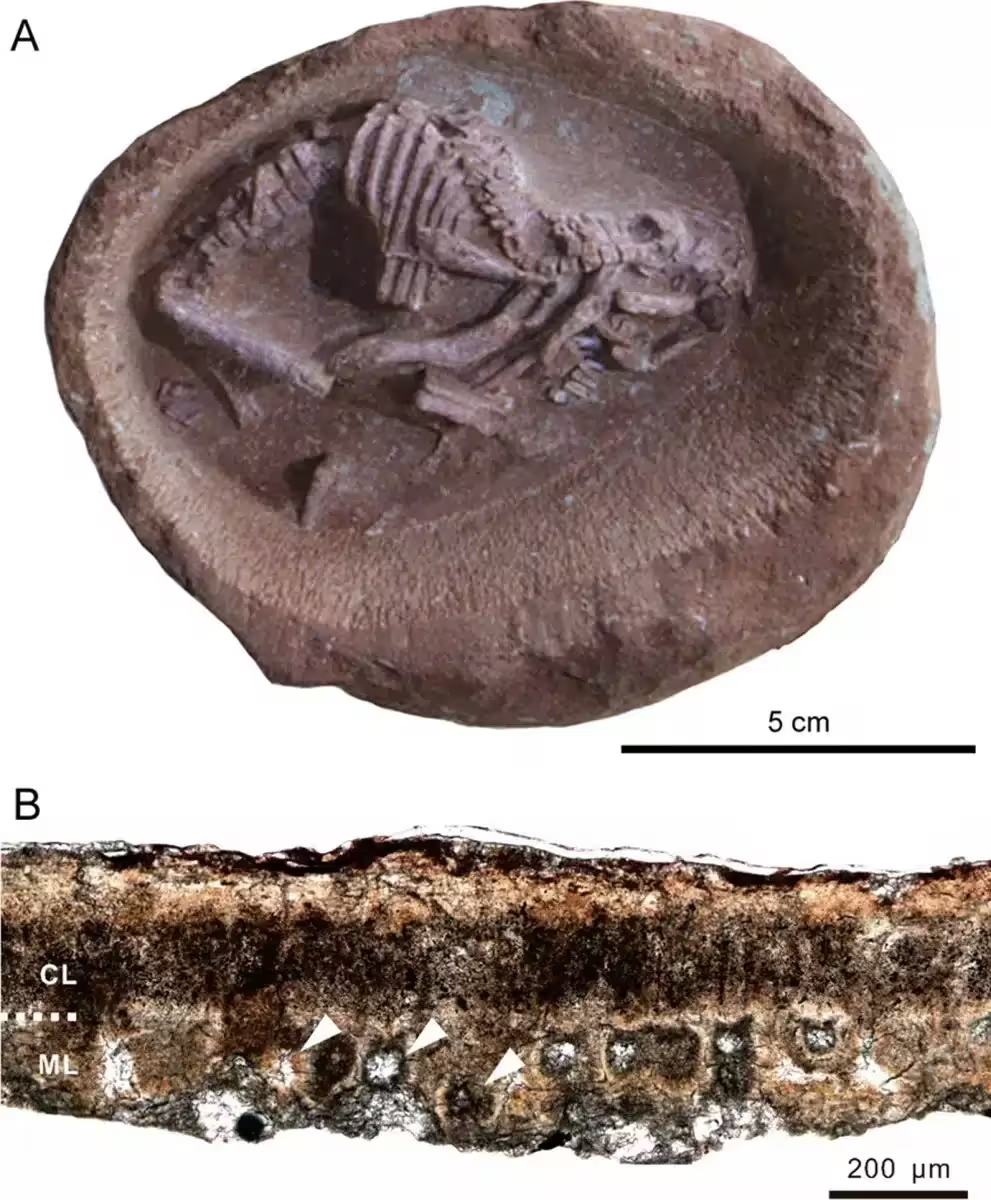
Insights From the “Ying Baby”
The most complete specimen is currently housed at the Yingliang Stone Natural History Museum in Fujian Province. Researchers highlight that the 9-centimeter ellipsoid egg serves as a vital case study for understanding dinosaur growth. Its relatively small size, coupled with the state of the embryo inside, suggests that duck-billed dinosaurs may have evolved from ancestors characterized by small eggs and delayed skeletal development.
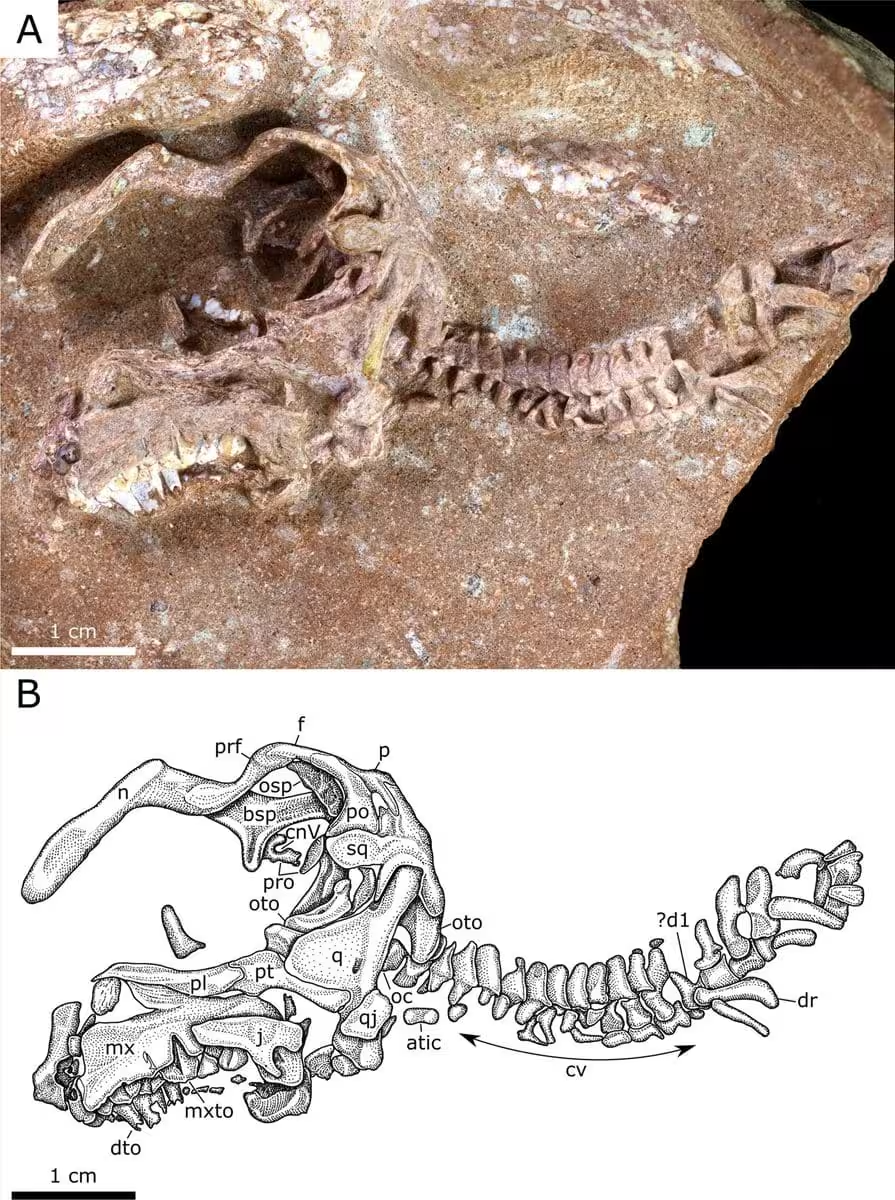
Broadening the Scope of Paleobiology
This discovery follows a 2021 finding by the same research team involving an oviraptorosaur embryo, illustrating a growing success rate in identifying these elusive specimens. By studying the structural integrity of these fossilized eggs and the delicate anatomy within, scientists hope to piece together a more comprehensive narrative regarding the reproductive behaviors and evolutionary strategies of these ancient creatures before their extinction 66 million years ago.
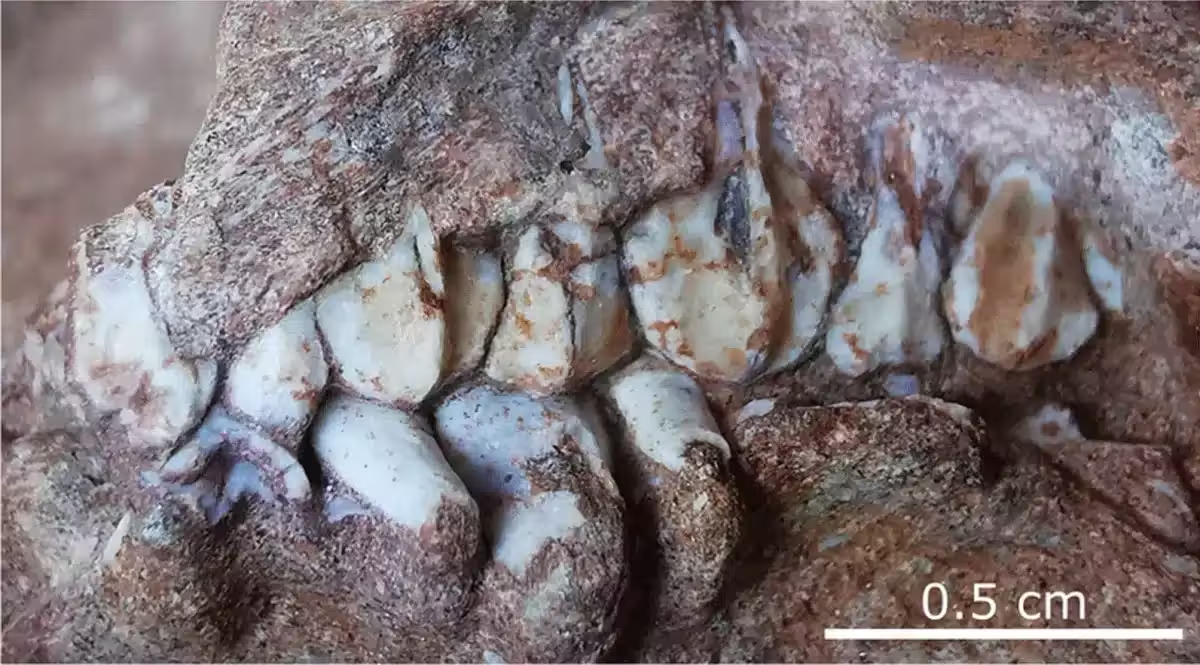
As cataloged research continues to expand—with over 700 recognized species now identified in the fossil record—every new embryo provides a unique data point in the effort to understand how these animals adapted to their environments. The ongoing examination of the Ying Baby and its cohorts underscores just how much of the prehistoric world remains waiting to be revealed.
This article has been fact checked for accuracy, with information verified against reputable sources. Learn more about us and our editorial process.
Last reviewed on .
Article history
- Latest version
Reference(s)
- Xing, Lida., et al. “Hadrosauroid eggs and embryos from the Upper Cretaceous (Maastrichtian) of Jiangxi Province, China.” BMC Ecology and Evolution, vol. 22, no. 1, May 9, 2022 Springer Science and Business Media LLC, doi: 10.1186/s12862-022-02012-x. <https://bmcecolevol.biomedcentral.com/articles/10.1186/s12862-022-02012-x>.
Cite this page:
- Posted by Hassan Raza