Cornell Denies Analyzing Purported Bigfoot DNA Amid Legal Threats From Hunter
A controversial DNA study on a supposed Bigfoot corpse has sparked accusations of academic dishonesty, deepening the mystery surrounding the legendary ape.
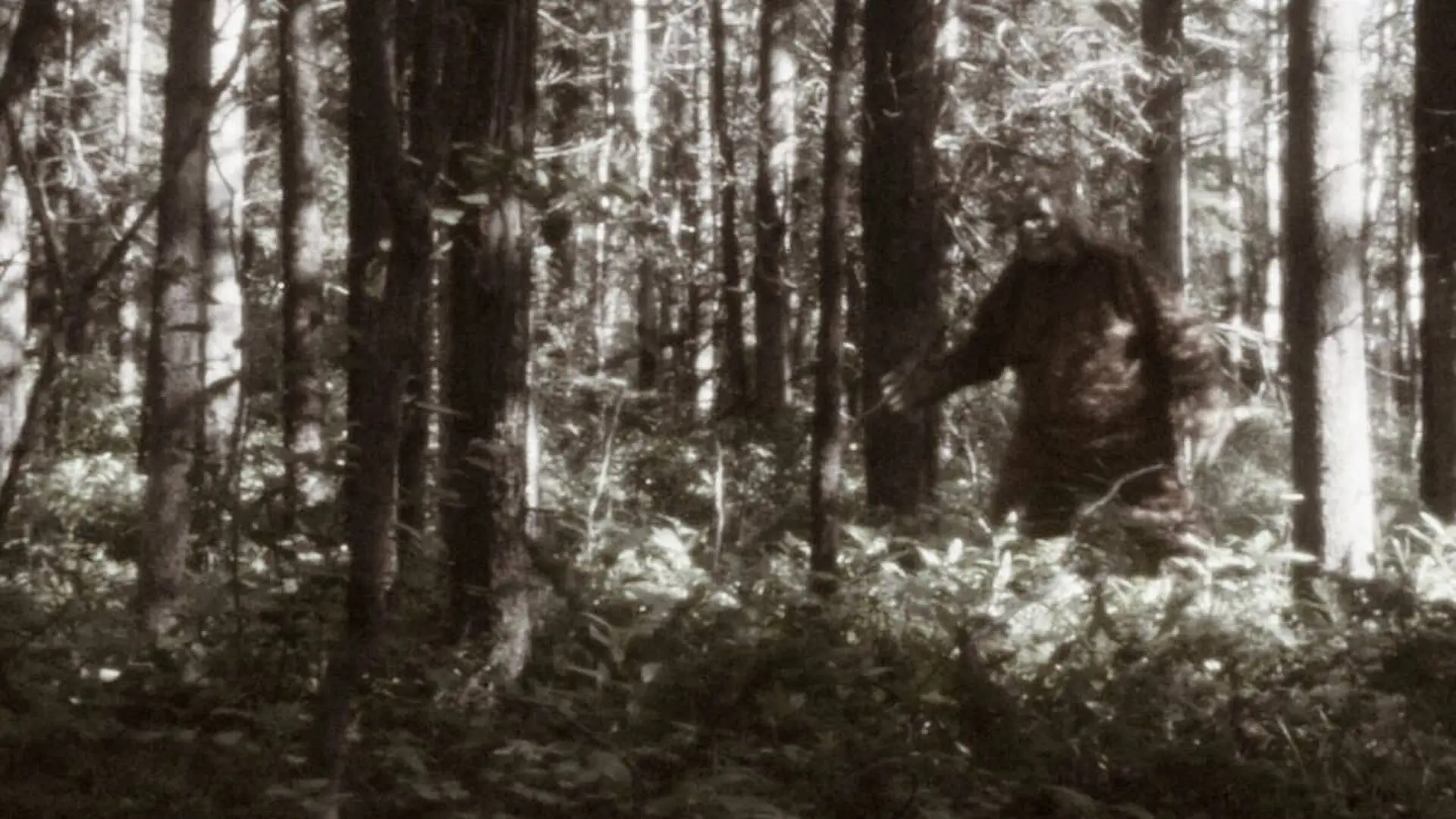
A self-described “Bigfoot hunter” named Charles Stuart has sparked a heated controversy after claiming to have discovered the remains of an eight-foot-tall Sasquatch in the Adirondack Mountains. Stuart, who operates under the moniker “Snake the Bigfoot Hunter,” alleges that the creature died following a physical altercation with a larger member of its species. His claims, which surfaced in 2024, are anchored by photographs of the supposed remains and a document he purports to be a genetic analysis from a Cornell University laboratory.
The laboratory report, which Stuart has shared publicly, alleges that the biological samples—including blood, hair, and fecal matter—contained a significant percentage of DNA associated with archaic human groups. Specifically, he claims the results indicated the specimen was 58.5 percent Neanderthal and Denisovan. These assertions have drawn immediate scrutiny, not only from the scientific community but from within the ranks of fellow cryptozoology enthusiasts.
Institutional Denials and Impending Legal Action
The credibility of the findings hit a major roadblock when Cornell University issued a flat denial regarding any involvement in the testing. The university explicitly refuted Stuart’s claims that its laboratory performed the DNA analysis. Undeterred by the institutional rejection, Stuart has accused the university of dishonesty and has publicly announced intentions to pursue a $10 million lawsuit against the institution.
The skepticism has reached beyond academia. Prominent figures within the Bigfoot Field Researchers Organization (BFRO), a group that has spent decades tracking evidence of the creature, have publicly distanced themselves from Stuart’s claims. Matthew Moneymaker, a well-known member of the organization, categorized the discovery as a fabricated stunt, comparing it to previous high-profile hoaxes in the field, such as the widely debunked claims made by Tom Biscardi.
A History of Folklore and Fabricated Evidence
The quest for Bigfoot, or Sasquatch, remains deeply embedded in North American culture, with roots stretching back to Indigenous oral traditions and ancient regional pictographs. However, the modern pursuit of the creature has been repeatedly clouded by questionable discoveries. Since the 1967 release of the Patterson–Gimlin film, which helped cement the popular image of a bipedal, ape-like beast, enthusiasts have been fueled by a mix of genuine curiosity and, occasionally, elaborate deception.
The record of Bigfoot “finds” is filled with instances of misidentification and intentional fraud. In 2008, a viral story involving a frozen corpse turned out to be a rubber suit, and in 2012, an attempt to stage a sighting tragically resulted in a fatal roadside accident. These historical precedents provide the backdrop for the current skepticism surrounding Stuart’s claims. Despite his insistence that his Adirondack discovery is the real article, the lack of verifiable, peer-reviewed evidence and the strong denial from the academic institution he cited have left the scientific community unconvinced.
This article has been fact checked for accuracy, with information verified against reputable sources. Learn more about us and our editorial process.
Last reviewed on .
Article history
- Latest version
Cite this page:
- Posted by Hassan Raza