Scientists Just Discovered 11,000 Unknown Viruses on the Deep Pacific Ocean Floor
Scientists have discovered a hidden world of viruses deep in the Pacific, raising urgent questions about the impact of potential deep-sea mining.
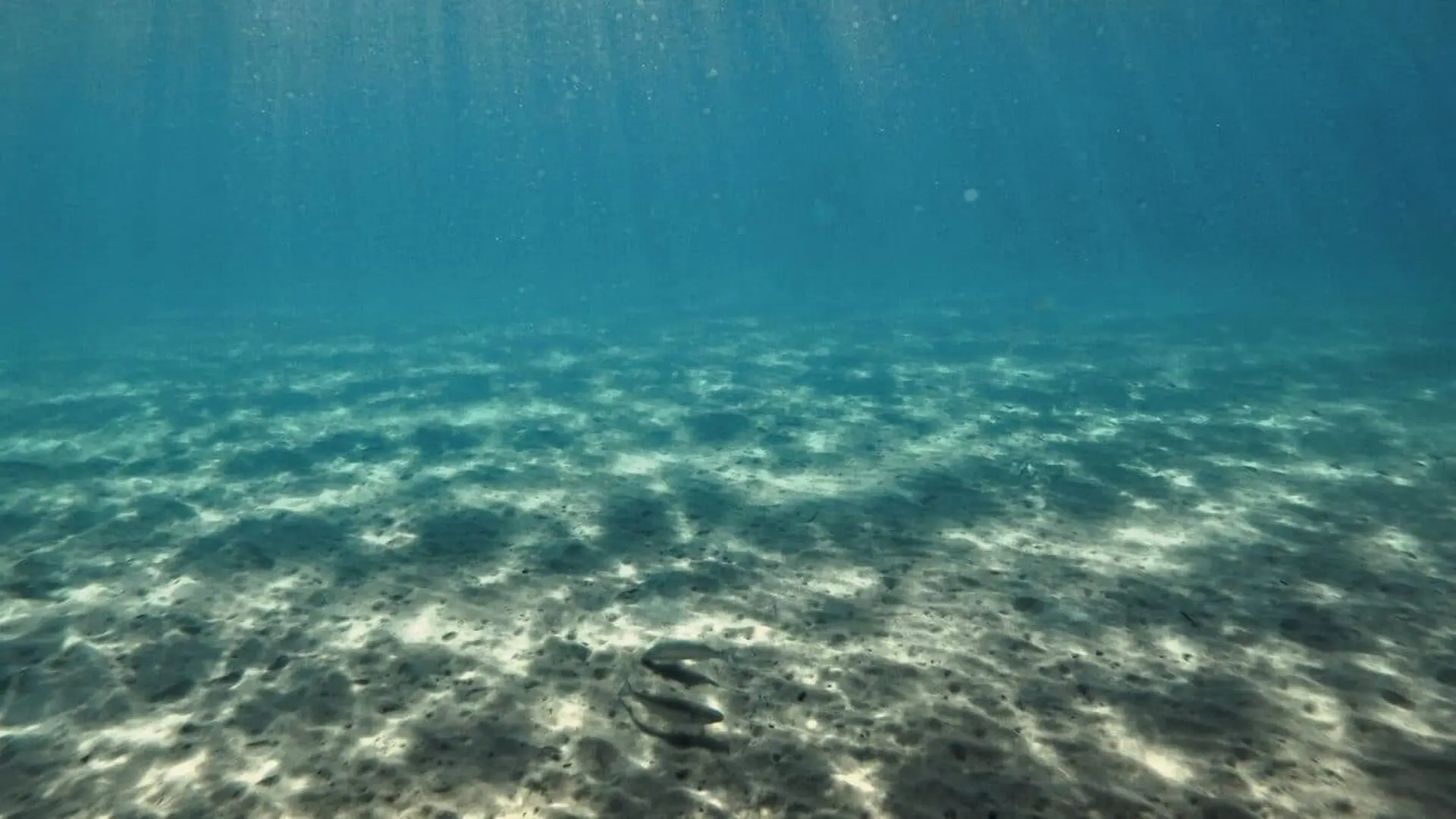
Researchers have identified nearly 12,000 previously unknown viral species residing in the depths of the Clarion-Clipperton Zone, a massive abyssal plain stretching between Hawaii and Mexico. This vast region, which sits at depths reaching 6,000 meters (19,700 feet), is currently the focus of intense global scrutiny due to the abundance of potato-sized polymetallic nodules scattered across its seabed. These formations, rich in cobalt, nickel, and manganese, are highly coveted for the production of electric vehicle batteries.
A team from Chongqing University led the investigation into the seafloor sediments, revealing a complex biological network that has remained largely hidden from human observation. Their findings illuminate a thriving microbial and viral ecosystem that exists in an environment characterized by extreme pressure, total darkness, and high concentrations of heavy metals.
A Hidden Viral Frontier
By analyzing over 60 sediment samples provided by the China Ocean Mineral Resources R&D Association, the researchers cataloged 11,742 distinct viruses. Of this staggering total, 11,662 had never been previously described by science. A genetic analysis of these findings revealed that only 4 percent of the identified protein clusters share similarities with existing global databases, underscoring how unique and isolated these deep-sea biological communities truly are.
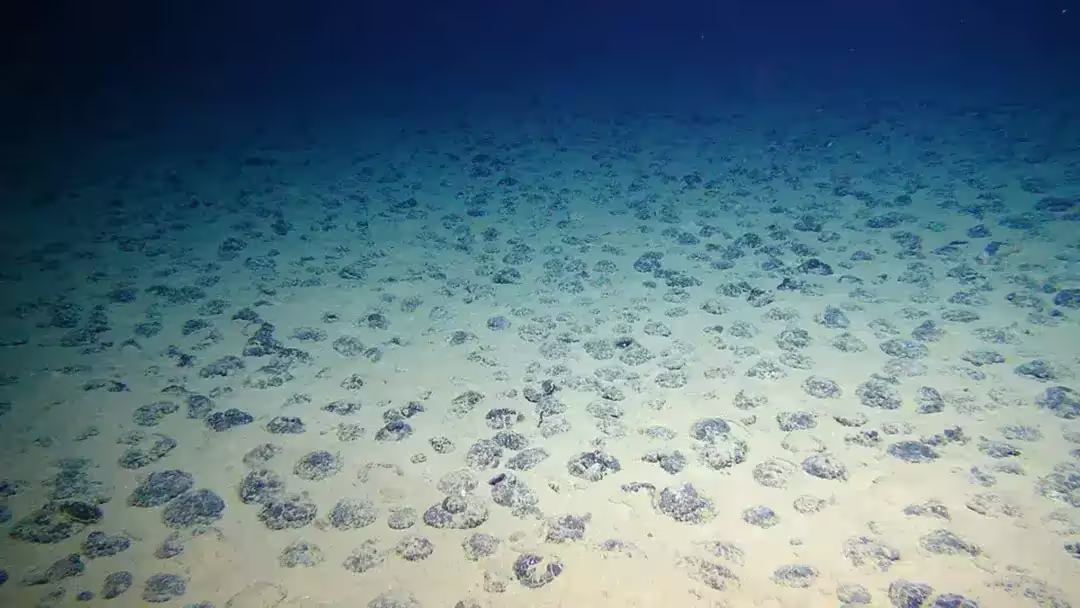
The study highlights the sheer extent of benthic viral diversity, with the team noting that over 99 percent of the viral clusters they identified are absent from current reference archives. This suggests that the Clarion-Clipperton Zone acts as a reservoir of genetic novelty that has evolved to withstand one of the planet’s most challenging habitats.
Ecological Functions of Deep-Sea Viruses
Despite their vast numbers, these viruses do not pose a threat to human populations. The majority are classified as Caudoviricetes, a group of bacteriophages that exclusively infect bacteria. In this deep-sea context, these viruses serve as critical biological regulators. By breaking down bacterial cells, they facilitate the recycling of essential nutrients—including carbon, nitrogen, phosphorus, and sulfur—back into the surrounding sediment.
Furthermore, these viruses carry auxiliary metabolic genes that assist their microbial hosts in navigating the toxic, metal-heavy environment. This viral-microbial interaction is fundamental to the stability of the seafloor ecosystem, as it governs population dynamics and aids in the detoxification of elements present in the substrate.
Environmental Risks and Future Oversight
As commercial interest in the International Seabed Authority exploration permits grows, the potential for industrial disturbance becomes a significant ecological concern. With 17 contracts already in place, the prospect of deploying heavy mining equipment to extract mineral nodules could lead to large-scale sediment disruption.
Scientists warn that the resulting plumes of silt could negatively impact the microorganisms that support this massive viral network. Any significant alteration to the bacterial populations would inevitably ripple through the ecosystem, potentially disrupting the natural nutrient cycling processes that these viruses help manage. While the current study does not explicitly quantify the impact of mining, it establishes a crucial baseline. This data will be vital for future environmental assessments as the industry weighs the demand for battery metals against the preservation of a largely unknown, yet essential, deep-ocean frontier.
This article has been fact checked for accuracy, with information verified against reputable sources. Learn more about us and our editorial process.
Last reviewed on .
Article history
- Latest version
Reference(s)
- projects, Contributors. “zone of the Pacific Ocean.”, November 17, 2011 Wikimedia Foundation, Inc. <https://en.wikipedia.org/wiki/Clarion%E2%80%93Clipperton_zone>.
- “Exploration areas - International Seabed Authority.”, March 17, 2022 International Seabed Authority - International Seabed Authority <https://isa.org.jm/exploration-contracts/exploration-areas/>.
- Alexus Cazares-Nuesser. “Deep-Sea Mining Poses Unseen Threats to Midwater Ecosystem.”, March 27, 2025 Down To Earth <https://www.downtoearth.org.in/wildlife-biodiversity/deep-sea-mining-threatens-sea-life-in-a-way-no-one-is-thinking-about-by-dumping-debris-into-thriving-midwater-zone>.
Cite this page:
- Posted by Hassan Raza