Space Radiation Alters Brain Immune Cells in Sex-Specific Ways Found in New Study
New research shows space radiation alters gene activity in mouse brain immune cells, with effects varying significantly by gender. Long-term risks remain unclear.
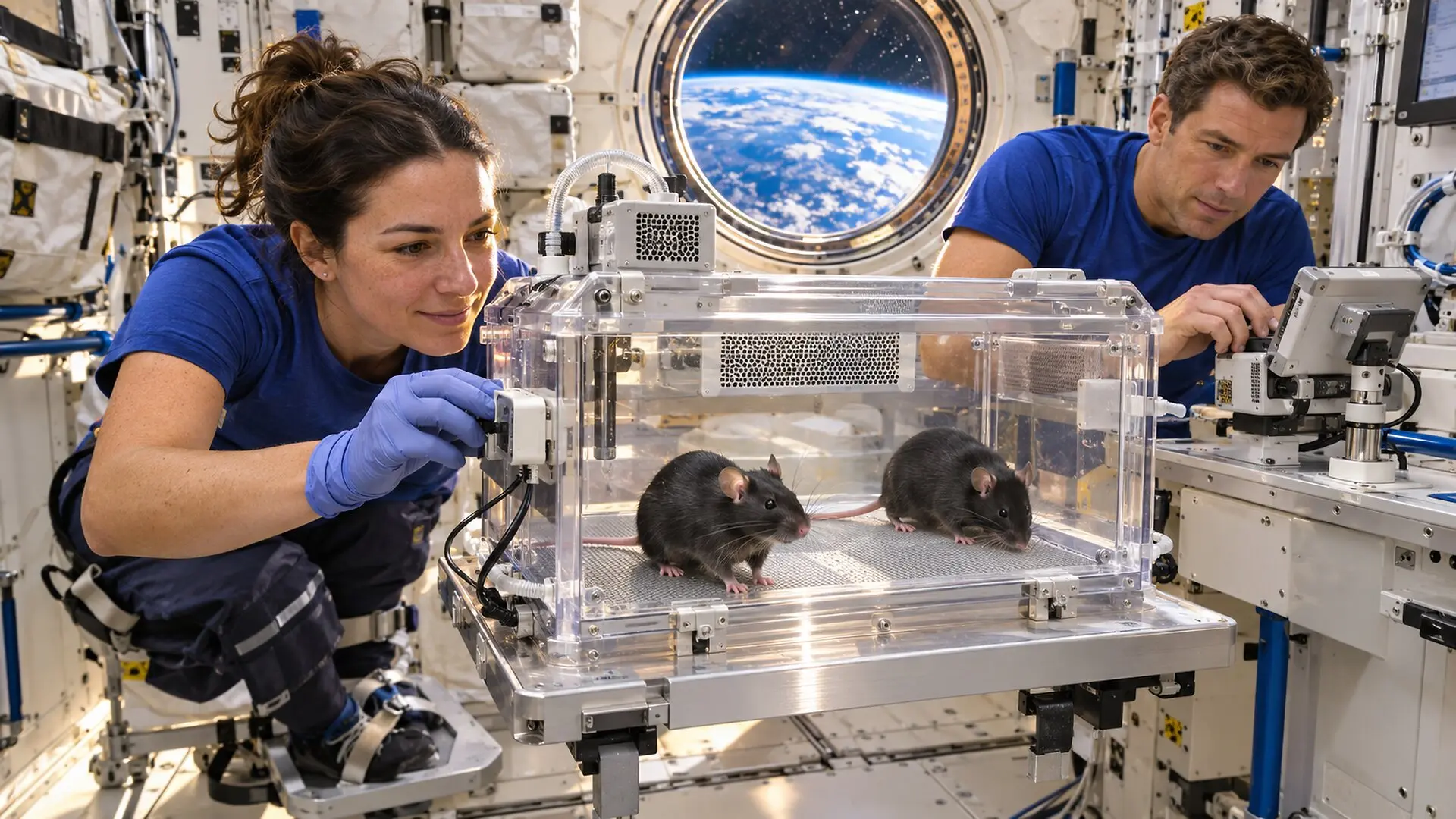
New research indicates that deep-space radiation exposure triggers persistent molecular shifts in the brain’s immune cells, even when standard behavioral tests show no immediate cognitive decline. The findings, published in Scientific Reports, highlight a critical divergence in how male and female subjects respond at a cellular level, underscoring the necessity of considering biological sex in future aerospace health research.
Led by Mark Osabutey at the University of Rochester, the study focused on microglia—specialized immune cells responsible for monitoring brain health and responding to trauma. As space agencies plan for long-duration missions to Mars, understanding how galactic cosmic radiation (GCR) impacts neurological stability is becoming a top priority for protecting astronaut cognitive function and judgment.
Simulating the Hazards of Deep Space
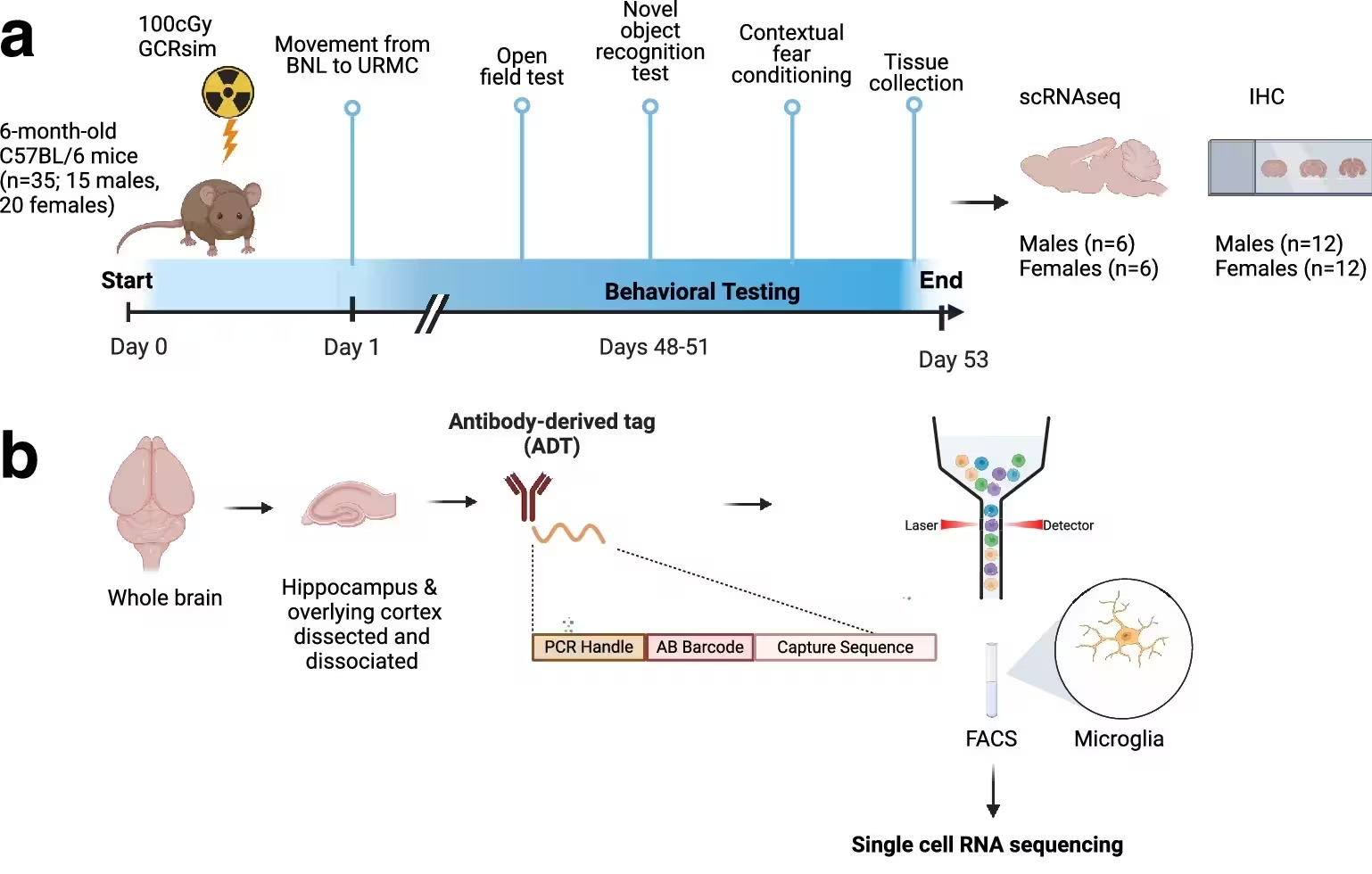
To replicate the intense radiation environment of deep space, researchers utilized the NASA Space Radiation Laboratory at Brookhaven National Laboratory. Using particle accelerators, the team exposed mice to a complex mix of ions, including protons, helium, oxygen, silicon, and iron. This “five-ion” exposure was designed to mimic the radiation exposure levels anticipated during a three-year round trip to Mars, although the experimental dose was delivered in a concentrated 30-minute burst rather than the gradual accumulation a human crew would experience in flight.
Behavioral Tests and Lingering Questions
Months after the exposure, the team evaluated the mice using a battery of cognitive assessments, including object recognition and contextual fear memory. Interestingly, the irradiated subjects showed no statistically significant differences in performance compared to the control group. However, researchers cautioned against interpreting these results as a clean bill of health. Because the subjects’ performance was generally modest across the board, the tests were not sensitive enough to definitively rule out subtle cognitive impairments that might manifest in more complex, real-world environments.
Sex-Specific Cellular Responses
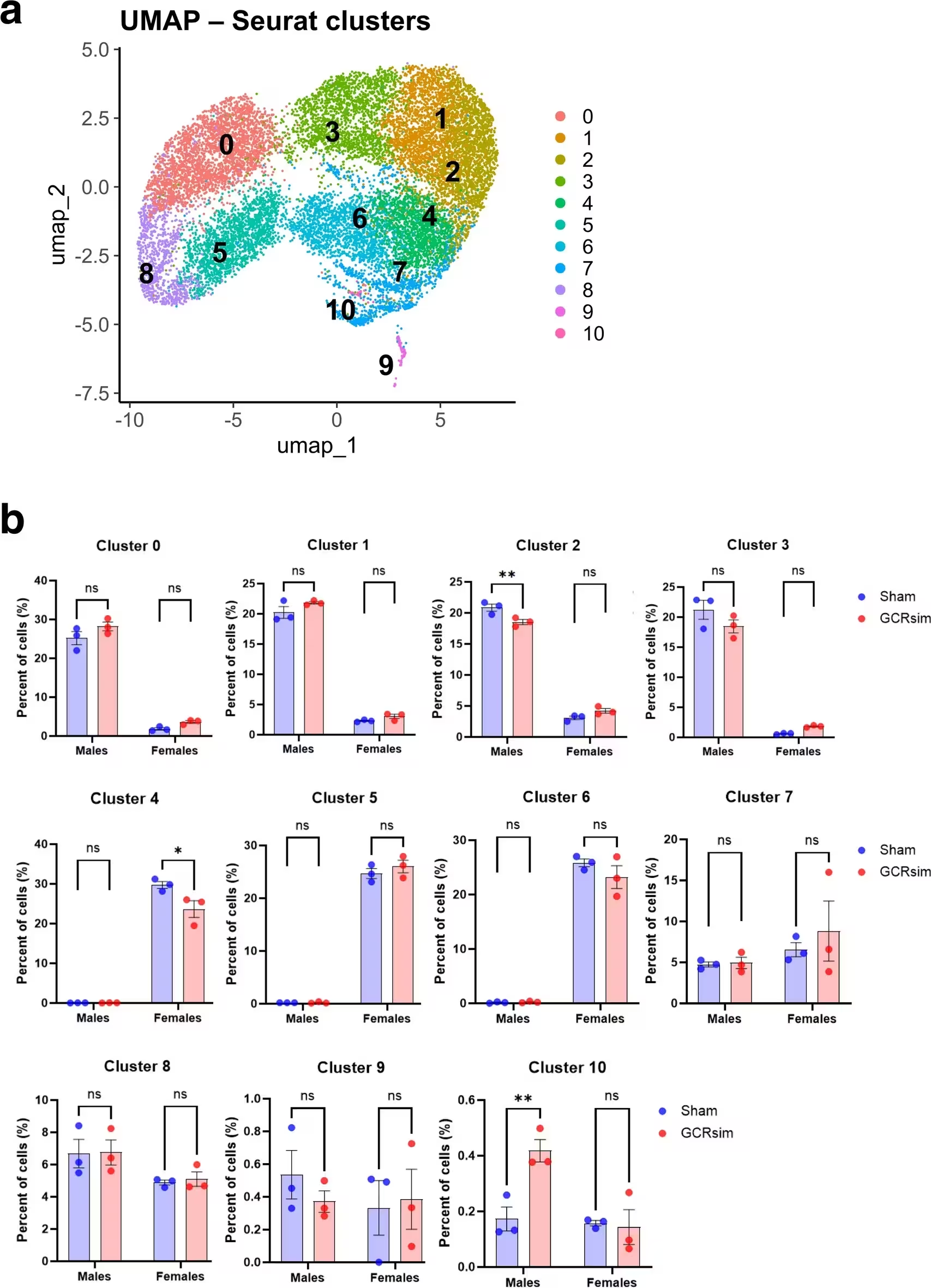
When the team performed single-cell RNA sequencing on microglia harvested from the hippocampus and cortex, the underlying biological reality looked very different. While the majority of cells maintained their typical maintenance functions, there was clear evidence of divergent gene expression based on sex.
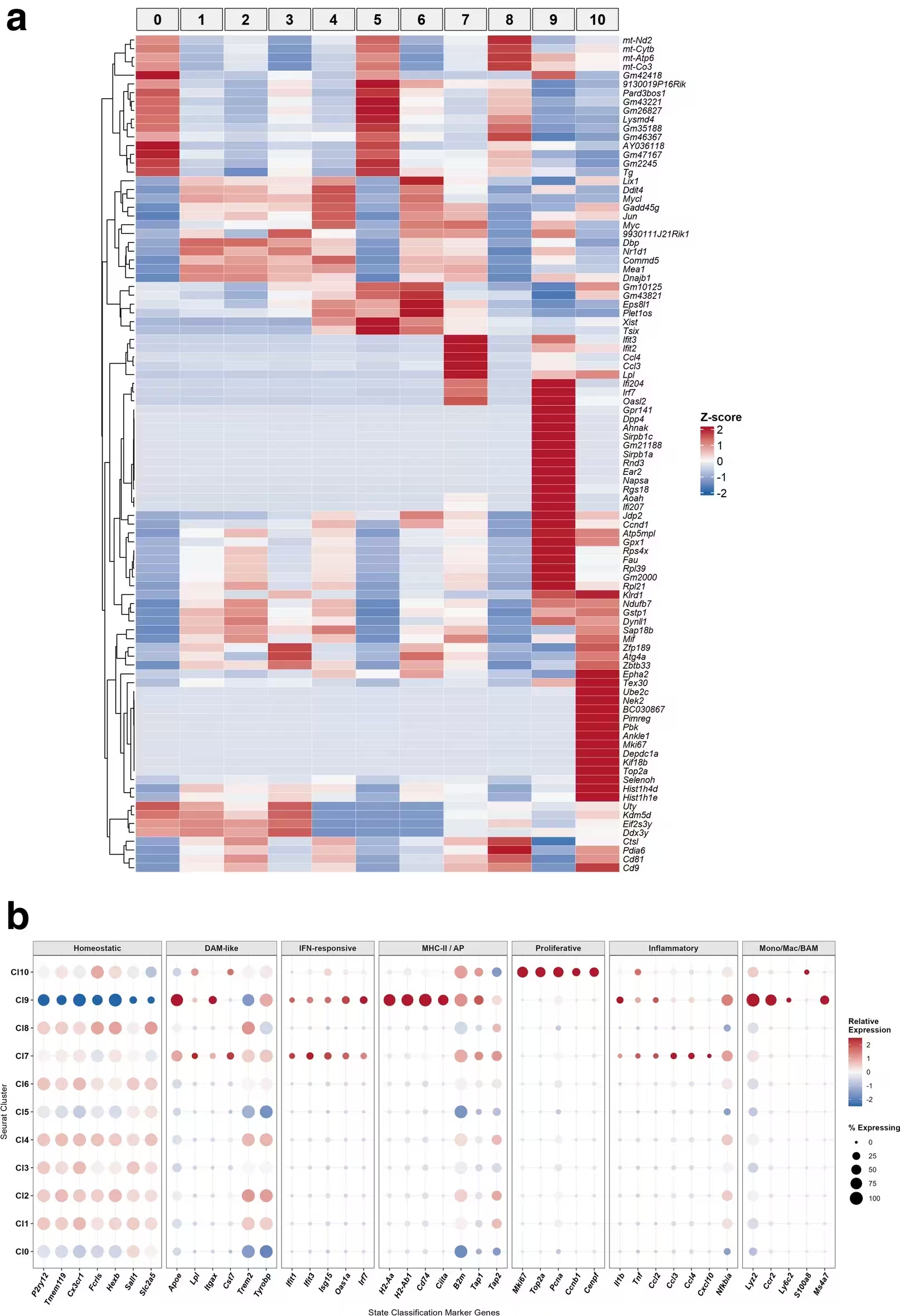
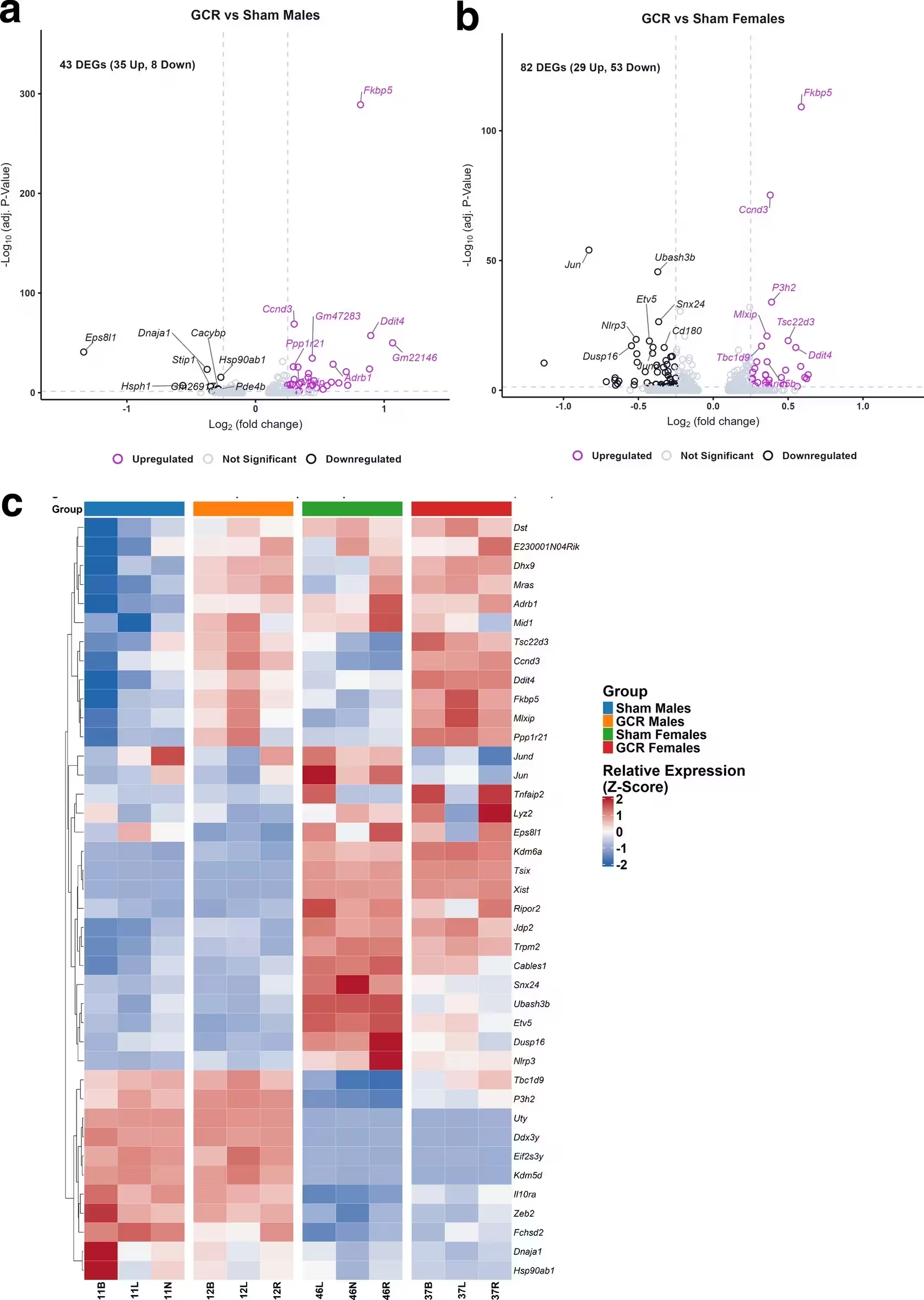
In male mice, radiation exposure altered the expression of 43 genes, many associated with metabolic stress and protein-folding pathways. Female mice exhibited a more significant genetic shift, with 82 genes showing altered activity. Notably, many of the changes in females appeared to dampen inflammatory signaling pathways, suggesting a shift in immune state rather than the overt activation often predicted in earlier research.
A notable exception to these differences was the gene Fkbp5, which regulates stress hormone responses. Researchers found that both sexes shared an increase in Fkbp5 activity, a finding confirmed through microscopic analysis of the brain tissue. This shared response suggests a unified biological pathway for coping with the stress of radiation, even as other aspects of the cellular response remain distinct between males and females.
The Road Ahead
The discovery that molecular changes can exist in the absence of obvious behavioral deficits highlights a gap in current diagnostic capabilities. Researchers emphasize that these gene-expression profiles provide a “snapshot” of cellular adaptation rather than a definitive diagnosis of injury or recovery. The next phase of this research will focus on determining whether the identified Fkbp5 signal is a protective mechanism or a precursor to long-term neurological problems.
Because these results were limited to a specific timeline and a small sample size, the team stresses that more work is needed to understand the interaction between radiation and other spaceflight stressors, such as microgravity. As mission planners refine safety protocols, identifying these hidden cellular markers may prove vital to ensuring that crews remain mission-ready during the long voyage to the Red Planet.
Further Reading
- Microglial activation in spaceflight and microgravity: potential risk of cognitive dysfunction and poor neural health
- Combined space stressors induce independent behavioral deficits predicted by early peripheral blood monocytes
- Microglia: Ally and Enemy in Deep Space
- NASA’s first ground-based Galactic Cosmic Ray Simulator: Enabling a new era in space radiobiology research
- Temporary microglia-depletion after cosmic radiation modifies phagocytic activity and prevents cognitive deficits
This article has been fact checked for accuracy, with information verified against reputable sources. Learn more about us and our editorial process.
Last reviewed on .
Article history
- Latest version
Reference(s)
- “University of Rochester | Where Wonder Fuels Discovery.” University of Rochester <https://www.rochester.edu/>.
- “Brookhaven National Laboratory — a passion for discovery.” <https://www.bnl.gov/>.
- Li, Zihan. “Microglial activation in spaceflight and microgravity: potential risk of cognitive dysfunction and poor neural health.”, vol. 18, pp. 1296205 PubMed Central (PMC), doi: 10.3389/fncel.2024.1296205. <https://pmc.ncbi.nlm.nih.gov/articles/PMC10902453/>.
- Rienecker, Kira. “Combined space stressors induce independent behavioral deficits predicted by early peripheral blood monocytes.”, vol. 13, pp. 1749 PubMed Central (PMC), doi: 10.1038/s41598-023-28508-0. <https://pmc.ncbi.nlm.nih.gov/articles/PMC9889764/>.
- Rienecker, Kira D.A.., et al. “Microglia: Ally and Enemy in Deep Space.” Neuroscience & Biobehavioral Reviews, vol. 126, July 1, 2021, pp. 509-514. Elsevier BV, doi: 10.1016/j.neubiorev.2021.03.036. <https://doi.org/10.1016/j.neubiorev.2021.03.036>.
- Simonsen, Lisa. “NASA’s first ground-based Galactic Cosmic Ray Simulator: Enabling a new era in space radiobiology research.”, vol. 18, no. 5, pp. e3000669 PubMed Central (PMC), doi: 10.1371/journal.pbio.3000669. <https://pmc.ncbi.nlm.nih.gov/articles/PMC7236977/>.
- Krukowski, Karen. “Temporary microglia-depletion after cosmic radiation modifies phagocytic activity and prevents cognitive deficits.”, vol. 8, pp. 7857 PubMed Central (PMC), doi: 10.1038/s41598-018-26039-7. <https://pmc.ncbi.nlm.nih.gov/articles/PMC5959907/>.
Cite this page:
- Posted by John Williams