Astronomers Turn to Powerful New Telescope That Could Finally Confirm the Existence of Planet 9
What if our Sun still guards a secret planet in its orbit? Researchers are tracking peculiar anomalies that hint at a concealed celestial body, elusive and yet to be observed directly.
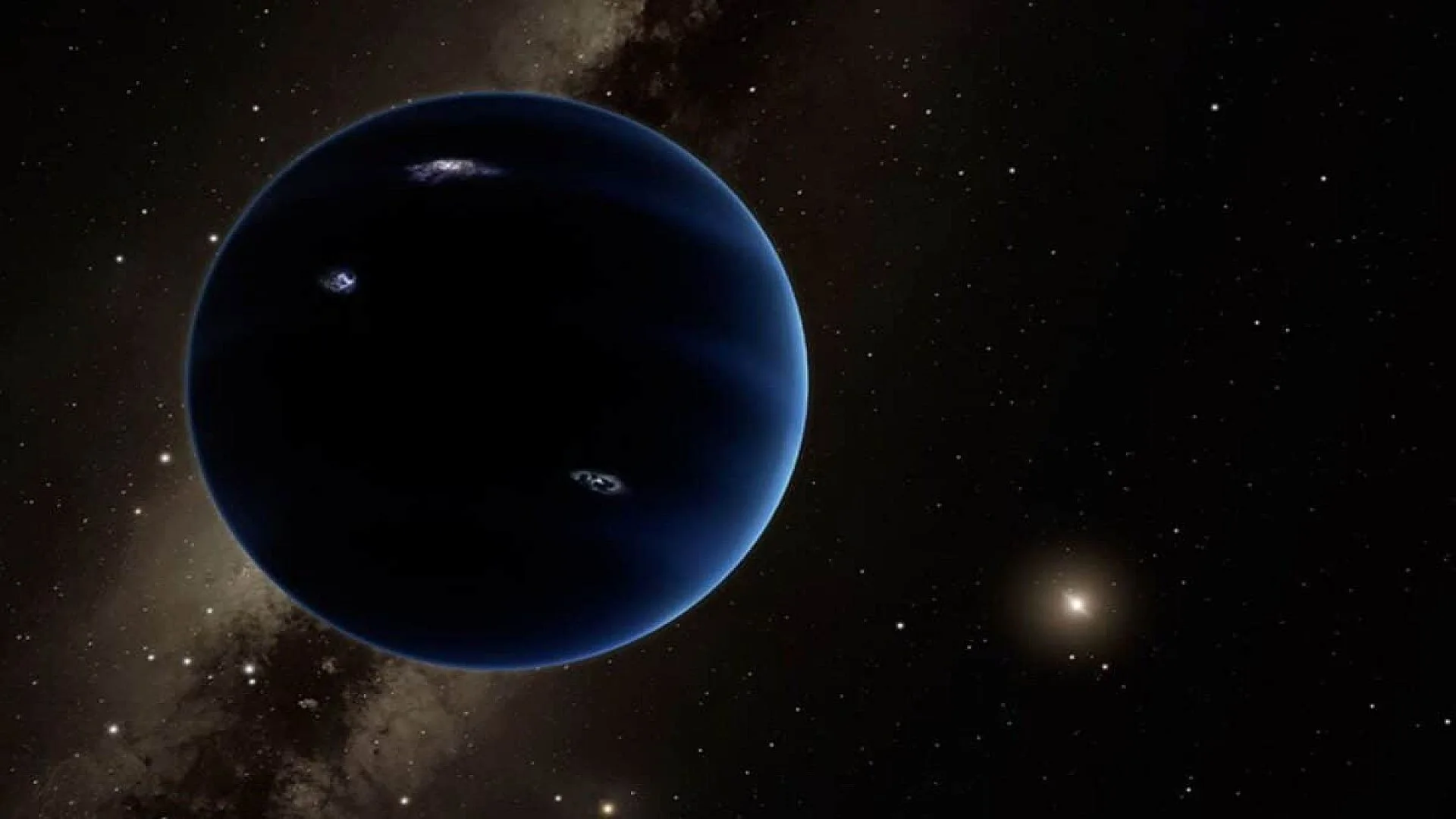
A groundbreaking 2024 study lends significant weight to the notion that a massive, undiscovered planet could be hiding far beyond Neptune. By meticulously tracking the movements of distant celestial bodies, astronomers have made their most compelling statistical case yet for the existence of Planet 9. The challenge lies in the fact that the planet itself remains invisible, making the investigation even more complex.
Historically, discovering planets within our solar system relied on direct observation, as was the case with Mars, Jupiter, and other notable planets. However, the discovery of Neptune marked a shift in approach, as it was predicted based on irregularities in Uranus’ orbit before being visually confirmed.
Today, astronomers employ innovative methods such as light dips and stellar motion to detect exoplanets around distant stars. Interestingly, the study reveals that finding planets within our own system has become increasingly difficult due to the subtlety and complexity of the signals involved.
Unraveling the Mystery of Unseen Orbits
The study focuses on long-period objects that traverse Neptune’s orbit. According to the latest research, published in The Astrophysical Journal Letters, these objects do not move randomly. Their orbits appear to be grouped in a way that suggests a shared gravitational influence.
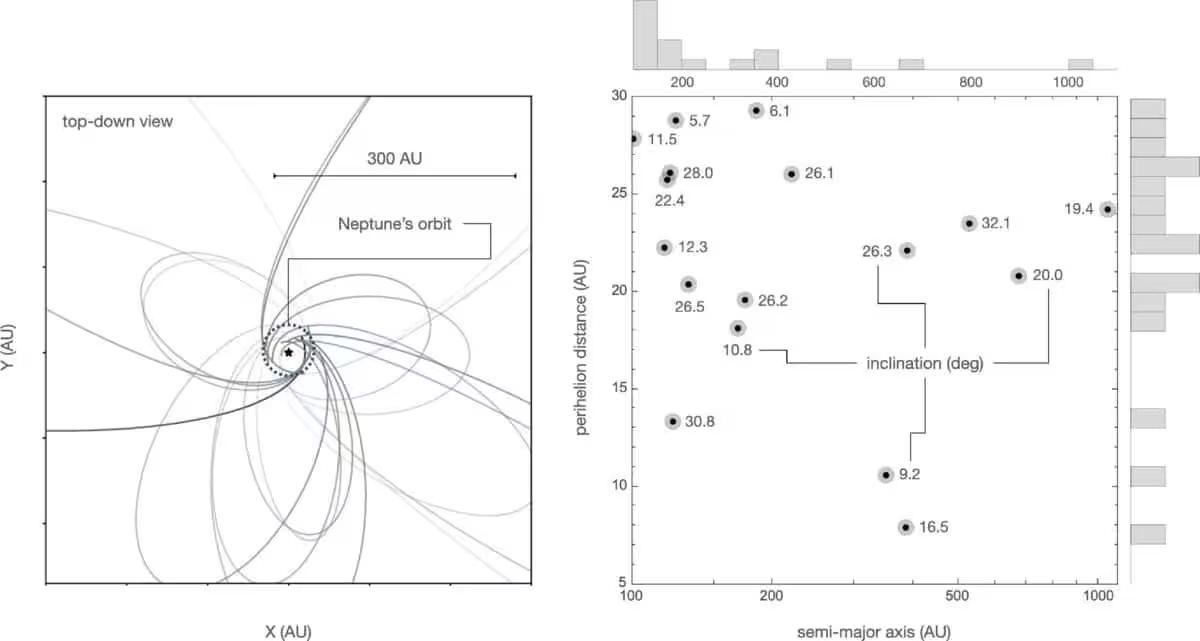
This observation builds upon earlier research. In 2016, researchers at Caltech noted a shared alignment among six distant objects, suggesting that a hidden giant planet could be guiding their motion through gravitational forces.
“Previous analyses have shown how orbital evolution induced by this object can explain the origins of a broad assortment of exotic orbits, ranging from those characterized by high perihelia to those with extreme inclinations,” noted the study team.
Simulations That Mirror Reality
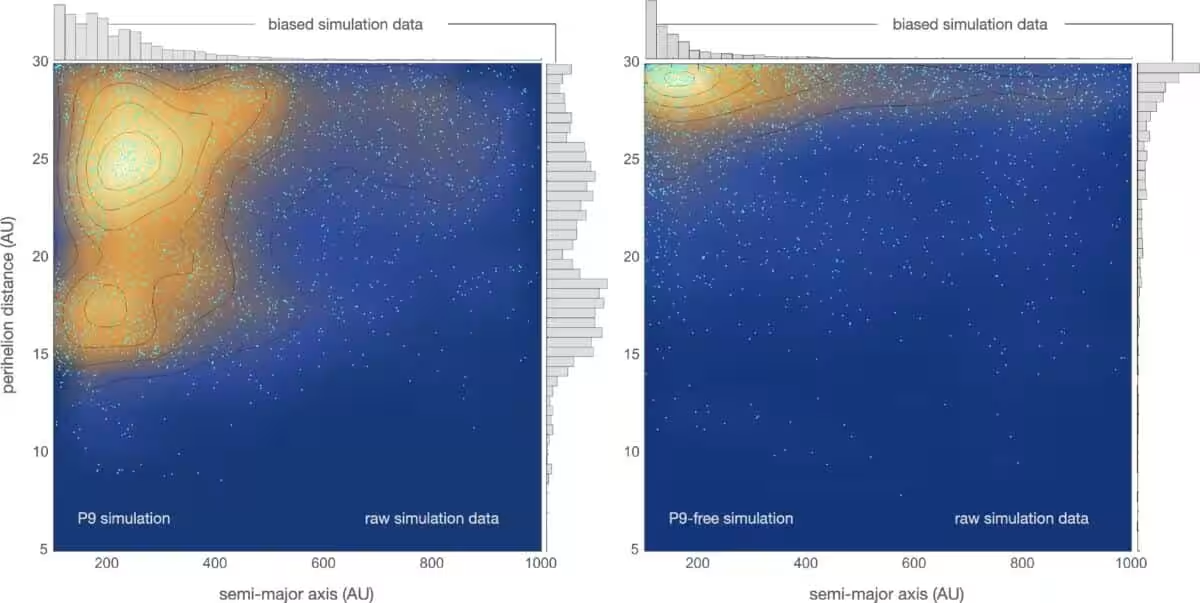
To test this hypothesis, researchers ran simulations incorporating factors such as galactic tides and the influence of passing stars. According to the study, models without a ninth planet were unable to reproduce the observed orbital behavior.
However, when a massive cosmic body was included beyond Neptune, the simulations closely aligned with real data. The objects analyzed were found to have perihelion distances between 15 and 30 astronomical units, placing them in a region where gravitational interactions are significant.
A New Era of Exploration
The study does not pinpoint the exact location of Planet 9, which remains a key limitation. The scientists involved emphasize that further observations are necessary to confirm its existence. Attention is now shifting towards the Vera Rubin Observatory. According to the study authors:
“Excitingly, the dynamics described here, along with all other lines of evidence for Planet 9, will soon face a rigorous test with the operational commencement of the Vera Rubin Observatory,” they concluded. “This upcoming phase of exploration promises to provide critical insights into the mysteries of our solar system’s outer reaches.”
This article has been fact checked for accuracy, with information verified against reputable sources. Learn more about us and our editorial process.
Last reviewed on .
Article history
- Latest version
Reference(s)
- Batygin, Konstantin., et al. “Generation of Low-inclination, Neptune-crossing Trans-Neptunian Objects by Planet Nine.” The Astrophysical Journal Letters, vol. 966, no. 1, April 24, 2024, pp. L8 American Astronomical Society, doi: 10.3847/2041-8213/ad3cd2. <https://iopscience.iop.org/article/10.3847/2041-8213/ad3cd2>.
- “Caltech Researchers Find Evidence of a Real Ninth Planet.”, January 20, 2016 California Institute of Technology <https://www.caltech.edu/about/news/caltech-researchers-find-evidence-real-ninth-planet-49523>.
- “Rubin Observatory.” <https://rubinobservatory.org/>.
Cite this page:
- Posted by Aisha Ahmed