Aging Residents in 1960s Japanese Housing Complexes Face Hidden Barriers
A university study reveals how steep slopes, missing handrails, and communication gaps threaten the independence of seniors in Kanagawa Prefecture.
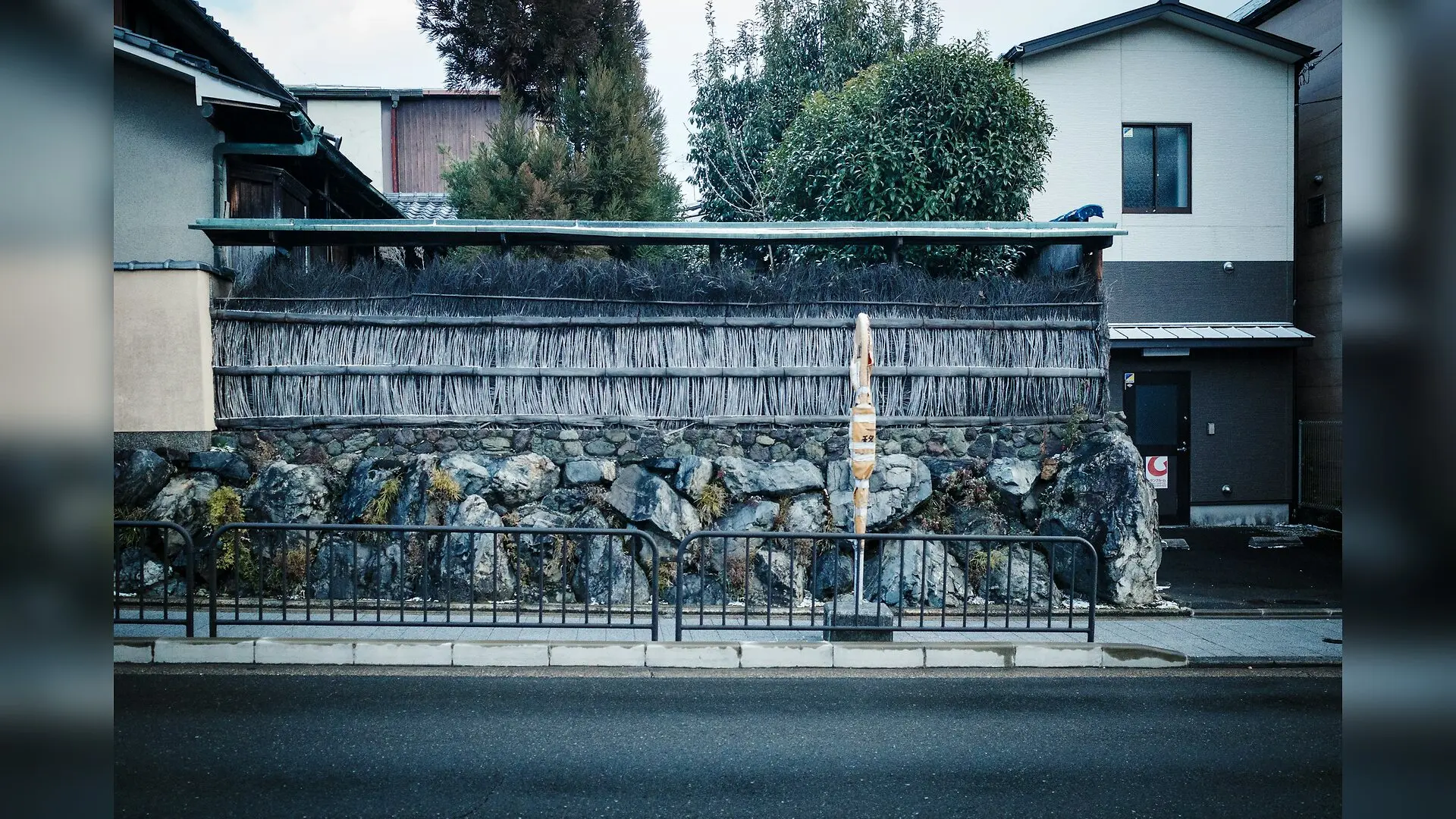
Elderly residents living in a 1960s social housing complex in Yokohama face daily physical and social obstacles that limit their mobility, according to a study published in the master’s thesis available from the Yokohama National University institutional repository. The research examines E-Danchi in Kanagawa Prefecture, where over 60 percent of the 1,433 residents are aged 65 or older.
Aging Infrastructure in Postwar Communities
Constructed in 1968 during Japan’s rapid postwar development, Danchi housing complexes were originally designed for young families. Decades later, the original inhabitants have aged in place, while the built environment remains largely unchanged. The study reveals that steep slopes, narrow sidewalks, uneven asphalt, and staircases with varying step heights create dangerous daily commuting conditions for seniors trying to reach local bus stops or grocery stores.
Inside the apartments, residents encounter severe level differences between rooms and hazardous steps leading into bathtubs that measure nearly 20 centimeters high. Many toilets and bathrooms lack essential handrails, turning routine hygiene into a daily safety risk. Residents reported that the lack of preventative maintenance and the absence of elevators in multi-story buildings compound these physical challenges.
Social Isolation and Administrative Communication Gaps
Beyond physical obstacles, the research highlights growing social isolation among aging tenants. With children having moved away and community structures shifting, many seniors experience loneliness. Communication channels between the residents and the housing administration run by Kanagawa Prefecture remain strained, leaving inhabitants feeling ignored and uninformed about future changes.
Interviews with residents revealed widespread uncertainty regarding an impending reconstruction project scheduled to take place within the next five to ten years. While many seniors recognize the urgent need for modernized, barrier-free housing, they worry about rising rental costs that could outpace their pensions and the stress of temporary relocations. At the same time, most participants demonstrated little awareness of national barrier-free laws and policies designed to protect their rights and independence.
Pathways Toward Inclusive Urban Communities
The findings emphasize the importance of adopting participatory design and strengthening social capital to support aging urban populations. By comparing the Danchi situation with international community land trusts and collaborative housing models, the research underscores the necessity of transparent communication between authorities and residents. Mitigating both physical barriers and social disconnection will require proactive municipal planning and inclusive decision-making to ensure that aging housing complexes remain safe and equitable homes for all generations.
The research was published in Yokohama National University on January 1, 9999.
This article has been fact checked for accuracy, with information verified against reputable sources. Learn more about us and our editorial process.
Last reviewed on .
Article history
- Latest version
Cite this page:
- Posted by Mary Ellison