AI Decodes How Ancient Etruscan Tombs Used Sound And Light To Create Haunting Burial Rituals
Researchers have uncovered how an ancient Etruscan tomb used darkness, sound, and haunting murals to manipulate the psychological state of visitors.
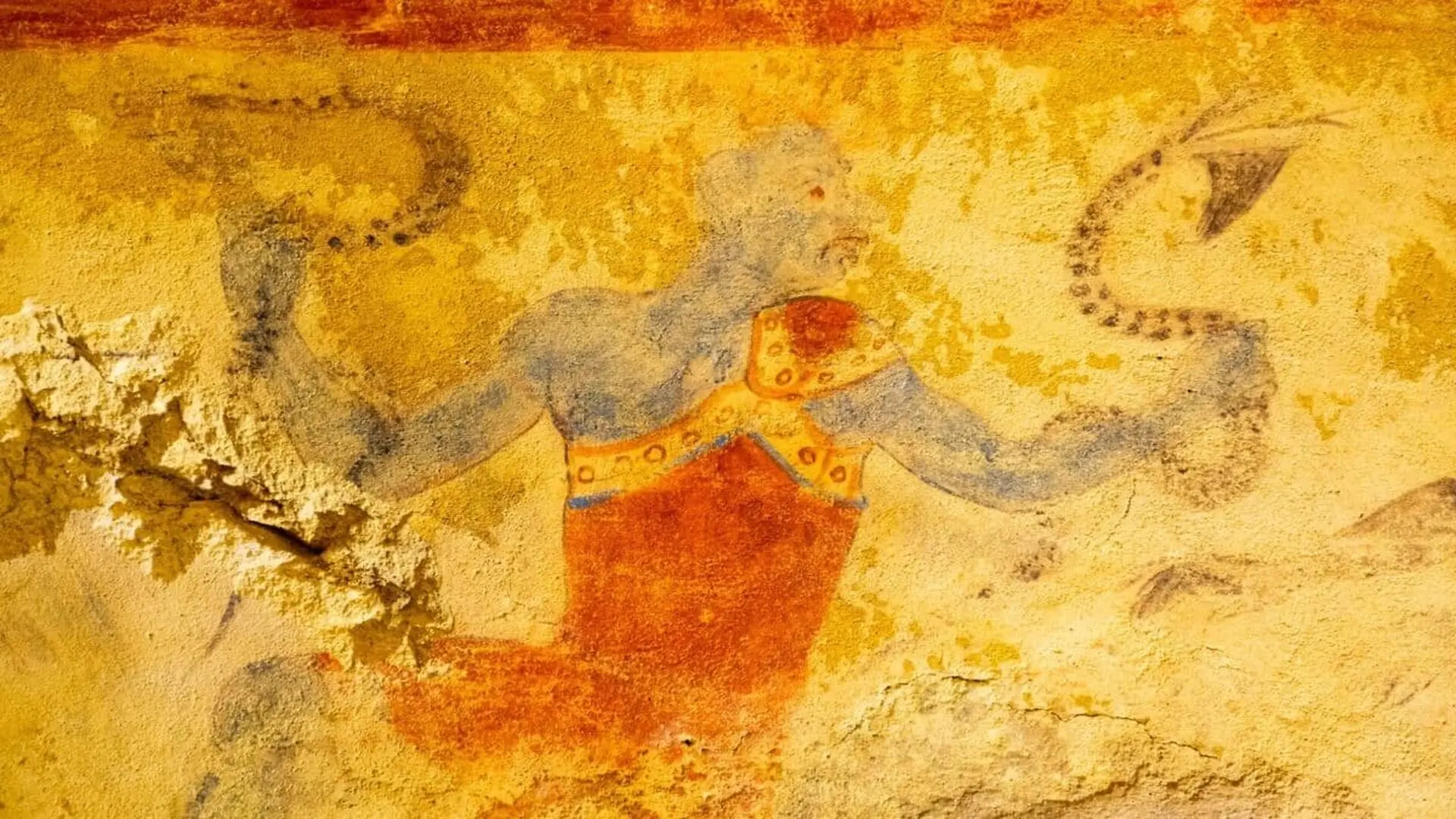
For the ancient Etruscans, the final resting place was far more than a simple repository for the dead. These subterranean chambers served as liminal spaces, carefully engineered to facilitate the transition between our world and the afterlife. By manipulating light, acoustics, and visual narratives, ancient architects created immersive environments where mourners could undergo profound psychological shifts.
New research published in the Journal of Archaeological Method and Theory suggests these tombs functioned as complex, multisensory theaters. Maurizio Forte of Duke University and Jacqueline Ortoleva of the University of Oxford argue that the architecture was intentionally designed to dictate how visitors perceived the journey of the soul, from its separation from the body to its eventual reunification with ancestors.
Distinct Architectural Approaches to the Afterlife
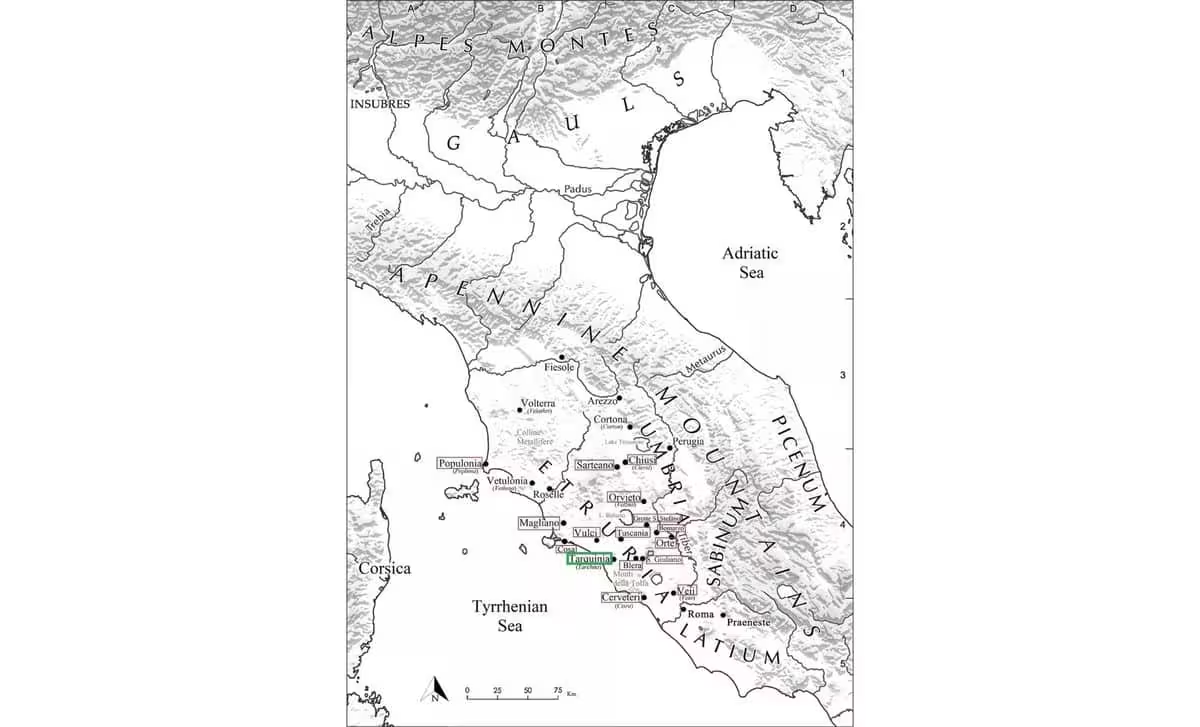
Excavations at the Monterozzi necropolis in Tarquinia, located northwest of Rome, provide a rare glimpse into these funerary philosophies. Two tombs dating to the 5th century B.C.E., the Tomba del Gallo and the Tomba dei Demoni Azzurri, illustrate how even within the same culture, the experience of death could be framed through starkly different sensory lenses.
The Tomba del Gallo, carved from limestone between 450 and 400 B.C.E., invited visitors to descend through a dromos, or entrance passage, that encouraged a slow, contemplative pace. Inside, the chamber was adorned with scenes of banquets, musicians, and masked dancers. The use of plaster on the walls created an acoustic environment that prolonged echoes, likely intensifying the sounds of ritual chants or music. Illuminated by the flickering, low-smoke glow of beeswax or tallow candles, the painted figures would have seemed to shift and dance along the walls, fostering a sense of continuity between the living and the departed.
Confronting the Supernatural
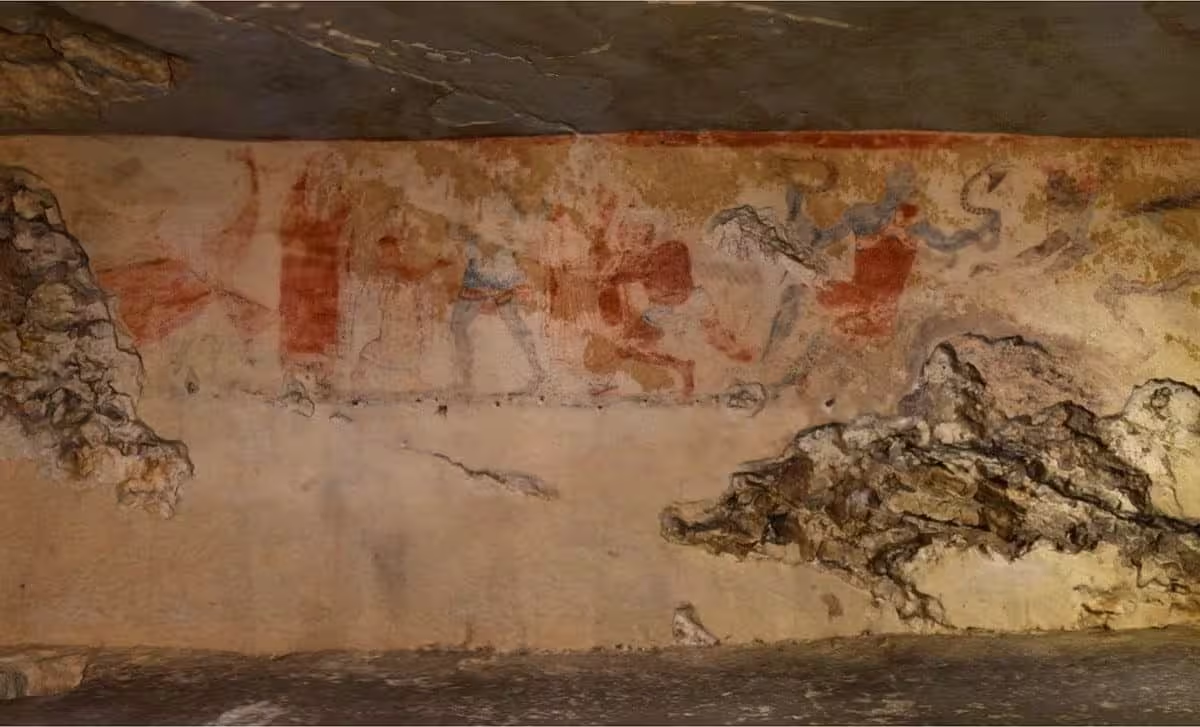
In contrast, the Tomba dei Demoni Azzurri, or Tomb of the Blue Demons, constructed between 450 and 420 B.C.E., offered a far more jarring experience. Archaeological evidence, including calcined animal bones found in the entranceway, points to the performance of intense cult rituals, possibly involving blood sacrifice, that prepared visitors for a confrontation with the unknown.
The chamber itself was designed to create an unsettling acoustic reality. Through artificial intelligence modeling, researchers determined that sound behavior varied significantly within the space, with reverberations lingering longest near festive banquet scenes and truncating abruptly near the wall featuring the tomb’s namesake. The central figure—a demon with striking blue skin, red eyes, and gold accents, clutching the tentacles of a monstrous entity—served as a visceral focal point, designed to elicit a powerful emotional response in those entering the darkness.
The Role of Technology in Decoding Ancient Rituals
To understand how these spaces influenced the ancient mind, researchers utilized AI systems to simulate the sensory experience of a visitor navigating the chambers. The study highlights that these tombs were not merely static artistic expressions, but active participants in the funerary process. While the Tomba del Gallo used imagery to maintain social cohesion and memory, the Tomb of the Blue Demons sought to physically and psychologically prepare the visitor for the terrifying finality of death.
This evidence underscores a sophisticated understanding of human perception among the Etruscans. By orchestrating how sound echoed and how light revealed or obscured the surrounding art, they ensured that the journey of the soul was not just a concept, but a tangible event that mourners could witness and feel.
This article has been fact checked for accuracy, with information verified against reputable sources. Learn more about us and our editorial process.
Last reviewed on .
Article history
- Latest version
Reference(s)
- Forte, Maurizio., et al. “Performing Power and Transitional Space: the Use of Acoustics and Multimodal AI in Etruscan Painted Tombs.” Journal of Archaeological Method and Theory, vol. 34, no. 1, August 20, 2026 Springer Science and Business Media LLC, doi: 10.1007/s10816-026-09820-1. <https://link.springer.com/article/10.1007/s10816-026-09820-1>.
Cite this page:
- Posted by Asif Iqbal