Job Seekers Are Lying More During AI Interviews and It Is Changing How They Behave
As AI becomes a standard tool in recruitment, it is fundamentally changing how candidates prepare for and navigate the modern job interview process.
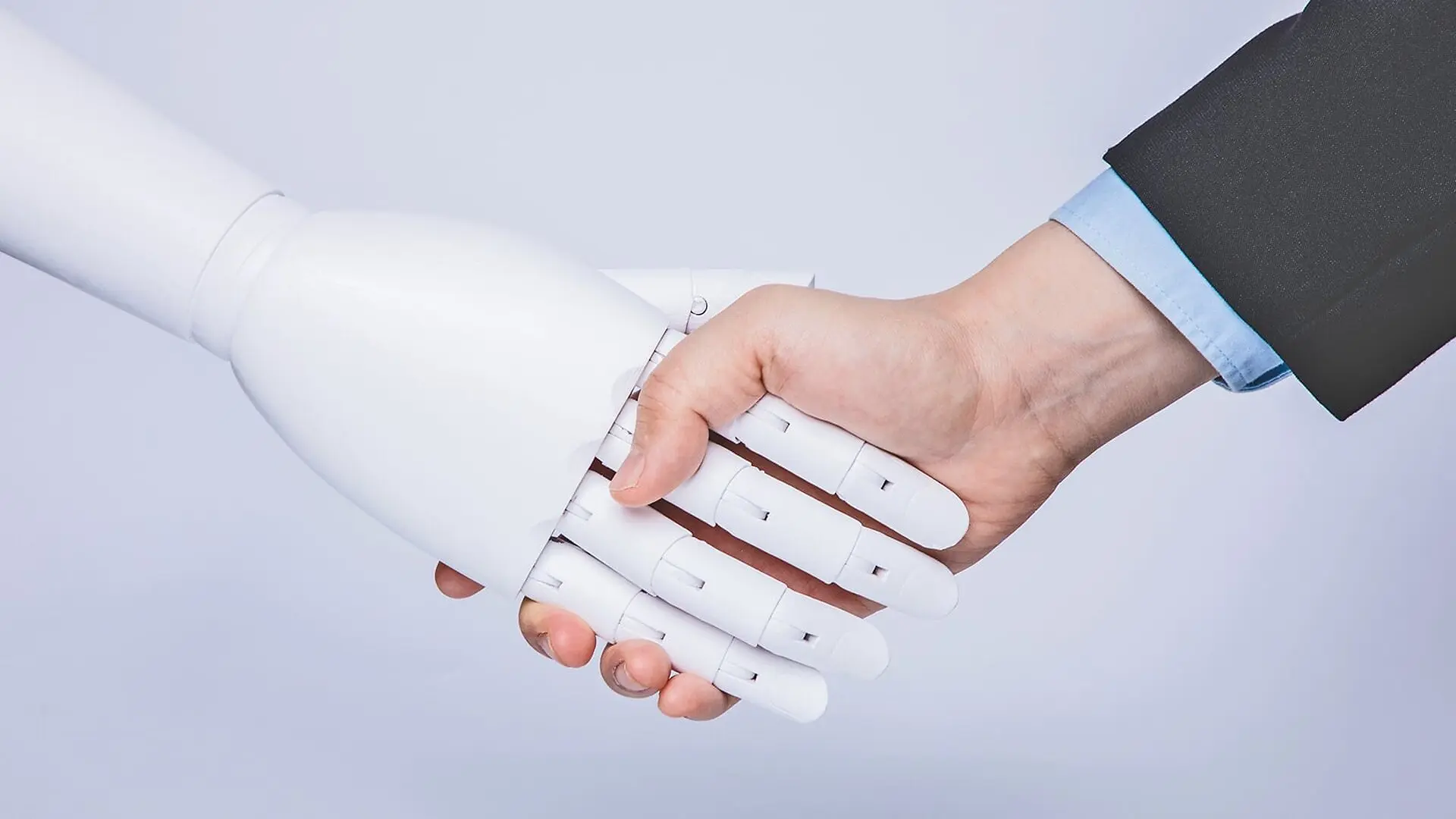
Automated Hiring Tools Are Changing How Candidates Present Themselves
The traditional job interview, once defined by a firm handshake and face-to-face interaction, is increasingly being replaced by asynchronous video platforms powered by artificial intelligence. While these tools promise efficiency for HR departments, new research suggests they are fundamentally altering candidate behavior in ways that may undermine the hiring process.
According to a study recently published in Information Systems Research, the shift toward AI-driven screening creates an environment where job seekers feel pressured to distort their qualifications to satisfy opaque algorithmic criteria. This phenomenon, researchers say, results in a surge of embellishments that human recruiters are typically better at identifying.
Akshat Lakhiwal, an assistant professor at the University of Georgia’s Terry College of Business and the study’s corresponding author, notes that candidates often feel disoriented when facing a machine. “We spoke to a lot of people who were interviewing with AI recruiters, and it was affecting the way they would behave during the interview,” Lakhiwal says. “Naturally, that affects the outcome of the interview.”
The Rise of Algorithmic Deception
In one-way video interviews, applicants record responses to standardized prompts. While these systems help companies sort through high volumes of applicants, they leave candidates guessing about the evaluation criteria. In an effort to “game” the system, applicants often resort to deceptive tactics, believing that a more polished or embellished narrative will score better with an AI evaluator.
The study found that participants were significantly more likely to engage in “deceptive embellishments” when they knew their video would be analyzed by an AI agent rather than a human. When interviewed about these actions, candidates characterized the behavior as a necessary strategy to succeed in a high-stakes, unpredictable hiring environment.
Critically, the AI systems used in the study failed to distinguish between these embellished accounts and truthful responses. Conversely, when human evaluators reviewed the same videos, they successfully identified the lack of authenticity and penalized the candidates accordingly.
Transparency as a Solution
While many firms avoid disclosing how their AI systems function out of fear that candidates might manipulate the process, the research suggests that a lack of information is actually the catalyst for dishonest behavior. By providing candidates with a clear understanding of what the AI is looking for—such as facial expressions, specific keywords, or assessments of teamwork and work style—companies can actually encourage more authentic communication.
In experiments conducted by the research team, candidates who were given clear parameters regarding the AI’s evaluation criteria demonstrated the same level of authenticity as those who believed they were being interviewed by a human.
“Traditionally, companies have refrained from transparency in the hiring process,” Lakhiwal explains. “They don’t like that word because they feel if participants know how they will be evaluated, the applicants may game the system. But here we found that telling applicants more about the process allows them to be more authentic.”
As organizations continue to integrate automated technologies into their recruitment pipelines, the study highlights the importance of managing the human element of these digital interactions. Providing clarity does not require revealing proprietary models, but rather ensuring candidates understand the context of their evaluation, similar to the norms established in traditional in-person interviews.
The study was co-authored by Che-Wei Liu of Arizona State University, Hillol Bala of Indiana University, and Hung-Yue Suen of National Taiwan Normal University.
This article has been fact checked for accuracy, with information verified against reputable sources. Learn more about us and our editorial process.
Last reviewed on .
Article history
- Latest version
Reference(s)
- Lakhiwal, Akshat., et al. “From Opacity to Transparency: User Behavior and Downstream Effects in Algorithmic Evaluation.” Information Systems Research, July 30, 2026 Institute for Operations Research and the Management Sciences (INFORMS), doi: 10.1287/isre.2023.0579. <https://doi.org/10.1287/isre.2023.0579>.
Cite this page:
- Posted by Asif Iqbal