How a 1994 Deep Sea Expedition Found an Unexpected Discovery at the Edmund Fitzgerald Wreck
A 1994 expedition to a famous shipwreck revealed a haunting detail: an open doorway and a body on the lakebed, marking the tragic loss of 29 lives.
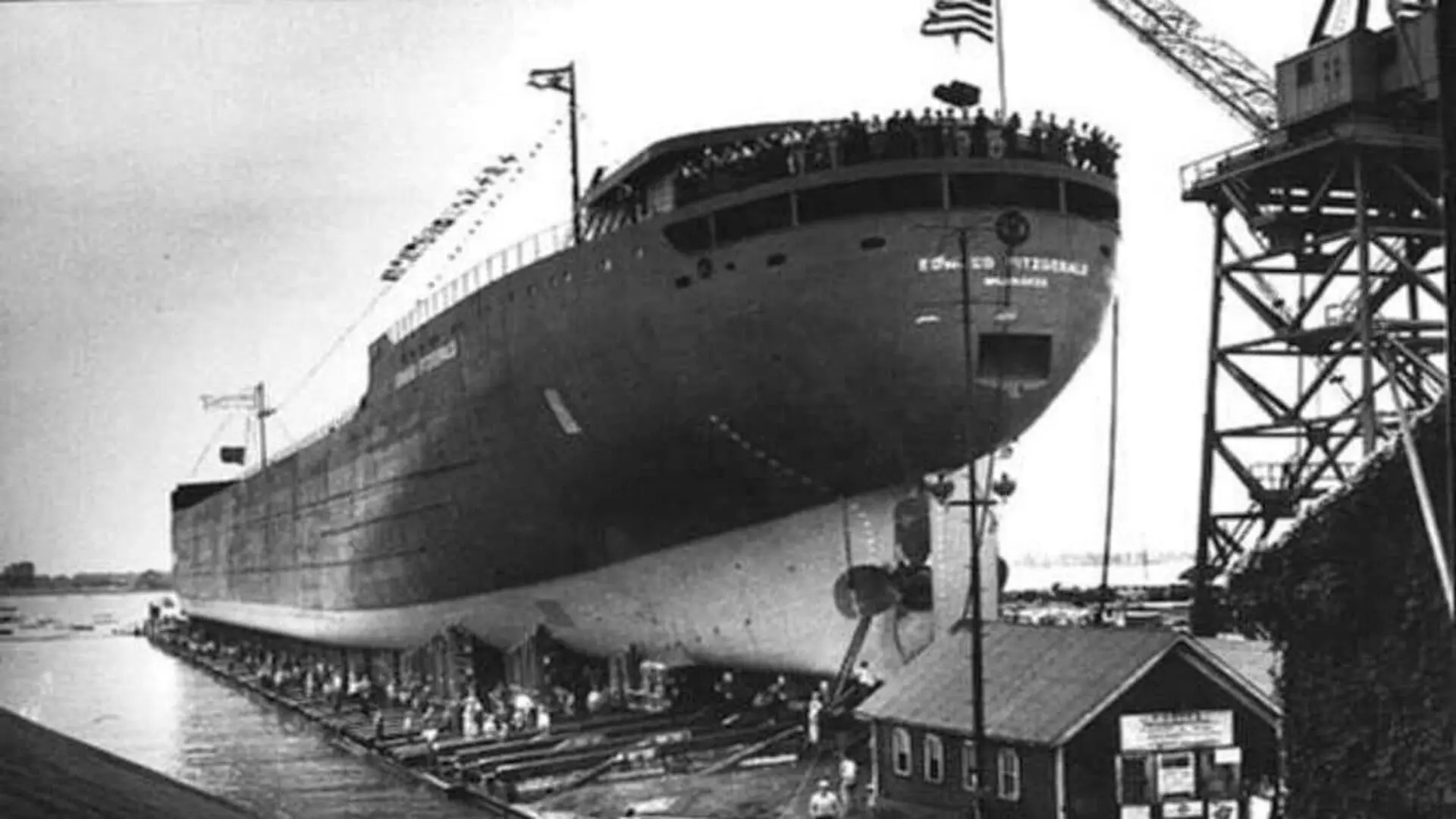
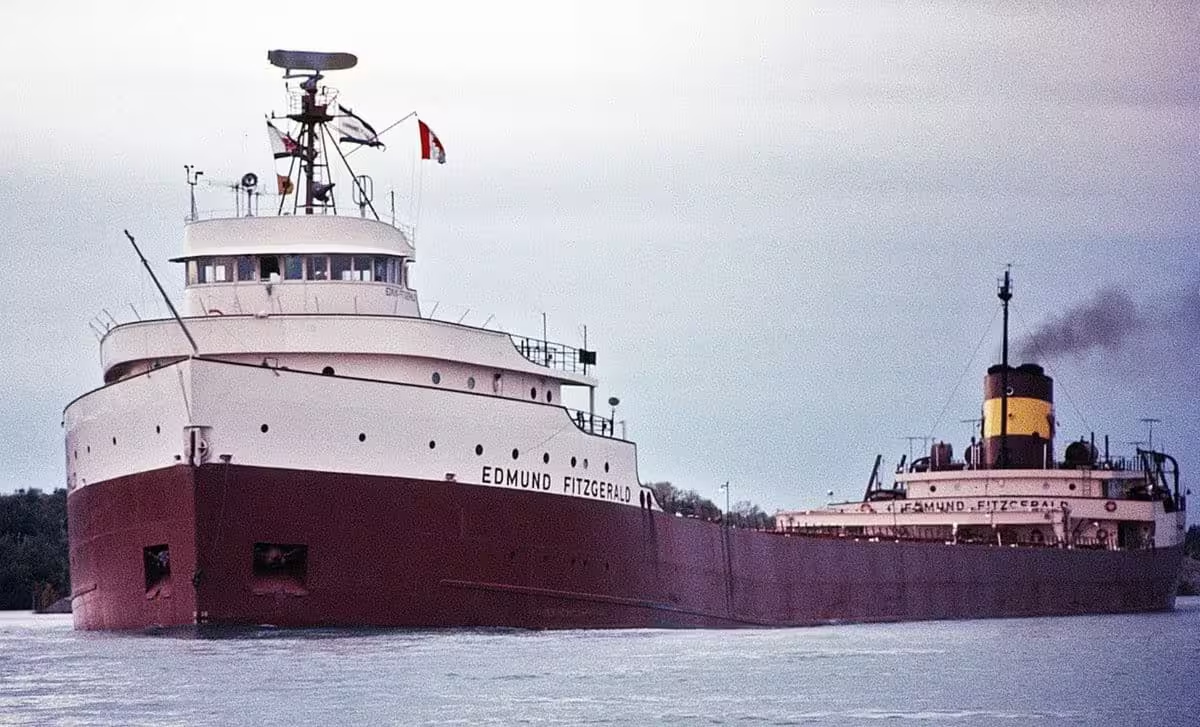
The disappearance of the SS Edmund Fitzgerald remains one of the most haunting enigmas in maritime history. Despite the vessel being engineered to weather the punishing conditions of the Great Lakes, it vanished into Lake Superior during a 1975 storm without a single survivor, leaving behind no distress signal and a legacy of unanswered questions. While the ship encountered waves exceeding 25 feet, such conditions were not entirely alien to its seasoned captain, fueling decades of speculation and debate over why this particular vessel succumbed when others in the vicinity did not.
An Unsettling Discovery on the Lakebed
A pivotal moment in the investigation occurred in July 1994, when an expedition aboard the tugboat Anglian Lady utilized the yellow submersible Delta to reach the wreck site, located approximately 550 feet below the surface. The team, which included researcher Fred Shannon and author Ric Mixter, sought to document the state of the vessel. During a series of dives, the crew navigated the mud-and-rock floor of Lake Superior, eventually identifying the faded, oxidized lettering of the ship’s name on its hull.
The most jarring development of the expedition took place during the final descent, when the vessel’s owner and his young son observed a body resting face up on the lakebed near an open port-side door. The discovery immediately complicated the narrative of the sinking. The victim’s position—outside the ship—raised more questions than it answered. Investigators were left to ponder whether the sailor had attempted a desperate escape or if the body had been displaced by the violent mechanics of the sinking. The find was so anomalous that it even fueled wild, unfounded theories in popular media, including bizarre claims of extraterrestrial involvement, which Mixter notes only highlights the profound sense of disbelief surrounding the lack of survivors.
“That’s how weird this was that nobody came off this wreck,” Mixter said.
The Evolution of Deep-Sea Exploration
The 1994 expedition served as a bridge between early, rudimentary search efforts and the high-tech forensic archaeology of the modern era. In the decades since the Edmund Fitzgerald went down, the barrier to entry for deep-water exploration has plummeted. Tools that were once the exclusive domain of state-funded research—such as remotely operated vehicles (ROVs) and advanced sonar—are now significantly more affordable and capable.
Modern underwater research now integrates a suite of advanced technologies:
- Autonomous Underwater Vehicles (AUVs): Capable of mapping vast areas of the lakebed with high-precision sonar.
- High-Resolution ROVs: Equipped with cameras that provide granular, real-time detail of structural damage.
- Photogrammetry: Allowing researchers to synthesize 2D imagery into accurate 3D digital models of a wreck.
- Artificial Intelligence: Algorithms that can cross-reference historic data with new findings to identify previously undocumented anomalies.
According to experts, if a new survey of the Edmund Fitzgerald were conducted today, the jump in sonar resolution would be transformative. Mixter suggests that current technology could provide clarity down to the level of a two-inch rope, potentially revealing structural clues that remained invisible to previous generations of explorers. While the 1994 discovery of the sailor added a somber, human element to the mystery, the next chapter of the ship’s investigation may rely on these sophisticated digital eyes to finally piece together the final, violent minutes of its journey.
This article has been fact checked for accuracy, with information verified against reputable sources. Learn more about us and our editorial process.
Last reviewed on .
Article history
- Latest version
Cite this page:
- Posted by Asif Iqbal