These Two Companies Found a Brilliant Plan to Remove Space Debris, Here’s How They Plan to Do It
Orbital clutter is accumulating, yet two pioneering firms have devised strategies to reverse this concerning trend.
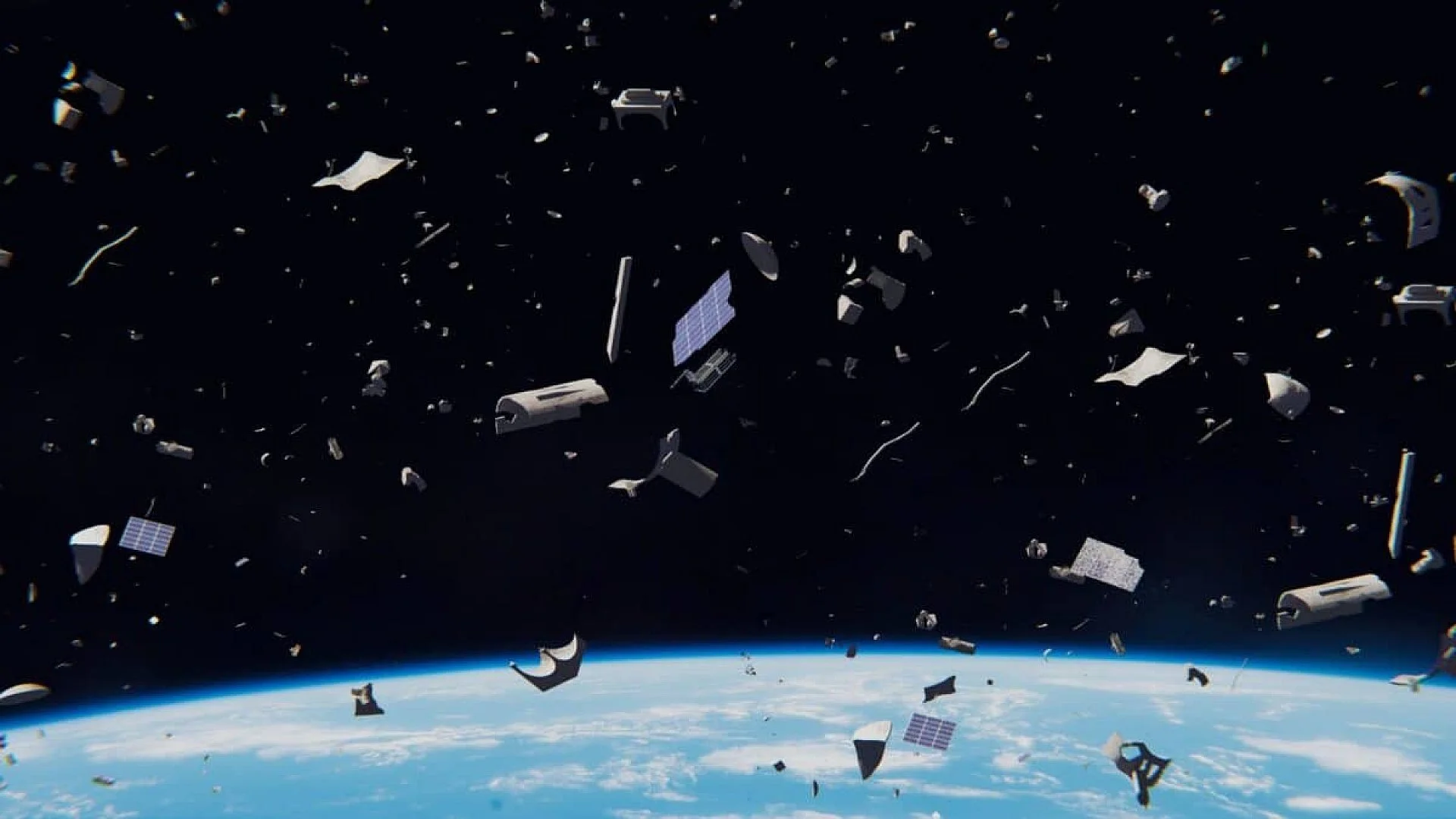
Two pioneering companies, Portal Space Systems and Paladin Space, have joined forces to tackle the escalating issue of space debris. Their ambitious mission is to provide a cost-effective and reliable service to clean up space junk by 2027. With millions of pieces of debris floating in Earth’s orbit, this partnership could be a game-changer in keeping our satellites and space infrastructure safe.
Space debris has become a pressing concern. Experts estimate that there are over 130 million pieces of debris in orbit, ranging from tiny fragments to large, defunct satellites and rocket stages. This clutter poses a significant risk to active satellites and could make future space missions even more hazardous. While some companies have experimented with capturing and removing debris, Portal and Paladin aim to take it to the next level and turn debris removal into a full-fledged service that can clean up multiple objects in a single mission.
Revolutionizing Debris Removal Technology
At the heart of this project is a combination of Portal’s Starburst spacecraft and Paladin’s Triton payload. The Starburst is a highly maneuverable spacecraft designed to capture and remove junk from orbit. It will be paired with Triton, a system that’s designed to track, classify, and capture smaller debris; those under one meter (about three feet) in size.

These smaller objects, often overlooked, are responsible for most of the risk in space collisions. According to Jeff Thornburg, CEO of Portal Space Systems, this partnership aims to take debris removal from the experimental stage to something real and operational.
“This is about making debris removal operational, not experimental,” he said in a statement published by Portal Space Systems. “Satellite data underpins communications, navigation, weather forecasting, and national security. Maintaining that infrastructure requires active debris management.”
The Hidden Dangers of Small Debris
While large pieces of space junk, like abandoned satellites, often get the most attention, it’s actually the small debris that poses the greatest risk to satellites and spacecraft. These tiny fragments, from broken satellites or rocket stages, can travel at incredibly high speeds, causing serious damage. Harrison Box, CEO of Paladin Space, explained that:
“Triton is built to remove dozens of those objects in a single mission, which fundamentally changes the cost structure of debris remediation and provides the greatest benefit to satellite operators,” he explained.

This focus on small space junk is key to making debris removal a more affordable and scalable service. By handling multiple objects at once, Portal and Paladin can bring down the cost of each mission, making it more accessible to satellite operators.
A Step Towards a Cleaner and Safer Space
The partnership is about building a sustainable business model. The companies are creating a service that can be repeated and scaled, opening the door for a future where space debris removal is part of routine space operations. And they’ve already started attracting interest: Starlab Spacehas signed a letter of intent to integrate their service into future space station operations.
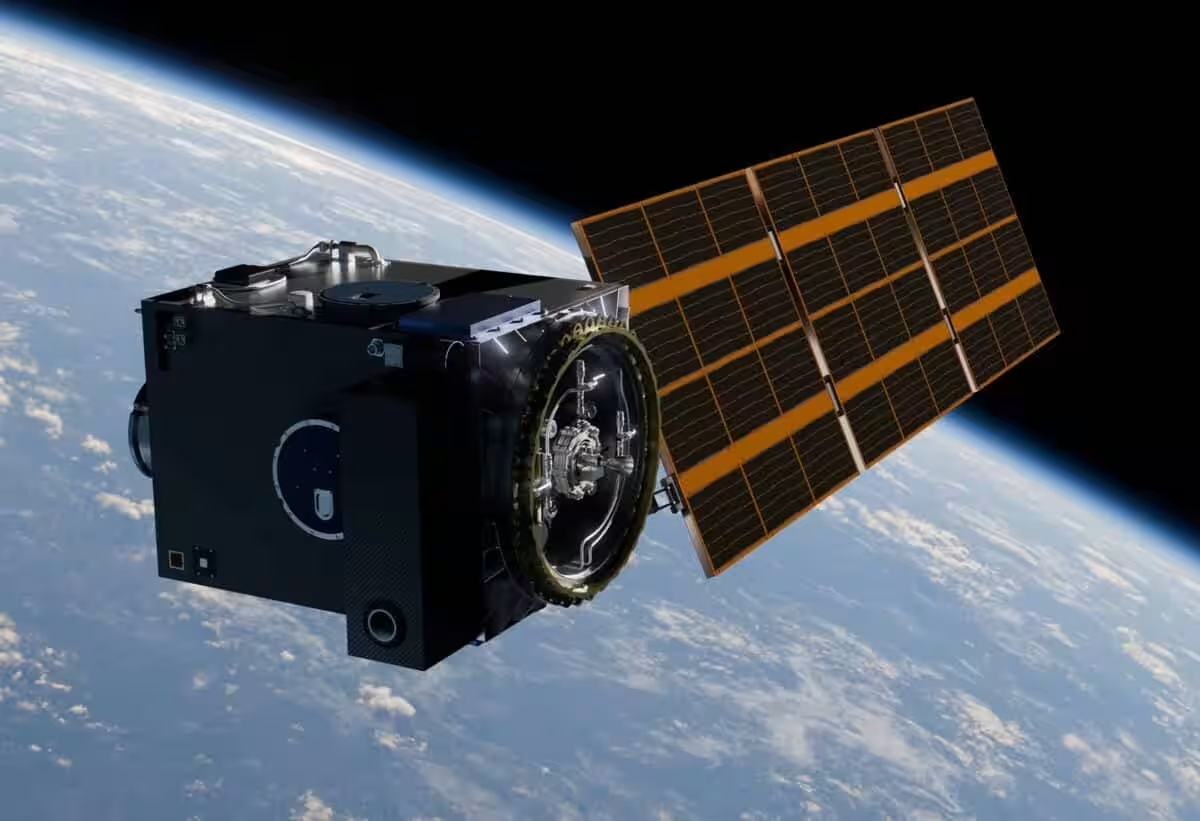
Portal’s Starburst-1 spacecraft is scheduled to launch in late 2026 as part of a rideshare mission with SpaceX’s Transporter-18. This will be the first major test of the technology, and if successful, it could pave the way for full-scale debris removal missions starting in 2027. The goal is to make space cleaner and safer, helping ensure that future satellite operations aren’t interrupted by the growing problem of space junk.
This article has been fact checked for accuracy, with information verified against reputable sources. Learn more about us and our editorial process.
Last reviewed on .
Article history
- Latest version
Reference(s)
- “Portal Systems.” <https://www.portalsystems.space/news/press-release-portal-space-systems-and-paladin-space-launch-first-commercially-structured-debris-removal-infrastructure-starlab-joins-as-early-partner>.
- “Starlab Space | A new era of space exploration has arrived.” Starlab - A New-Era Space Destination <https://starlab-space.com/>.
Cite this page:
- Posted by Karan Das