The Surprising Way The Author Of Mary Had A Little Lamb Created Thanksgiving
Historians reveal that the modern National Day of Thanksgiving is largely the result of activist and writer Sarah Josepha Hale’s tireless campaigning.
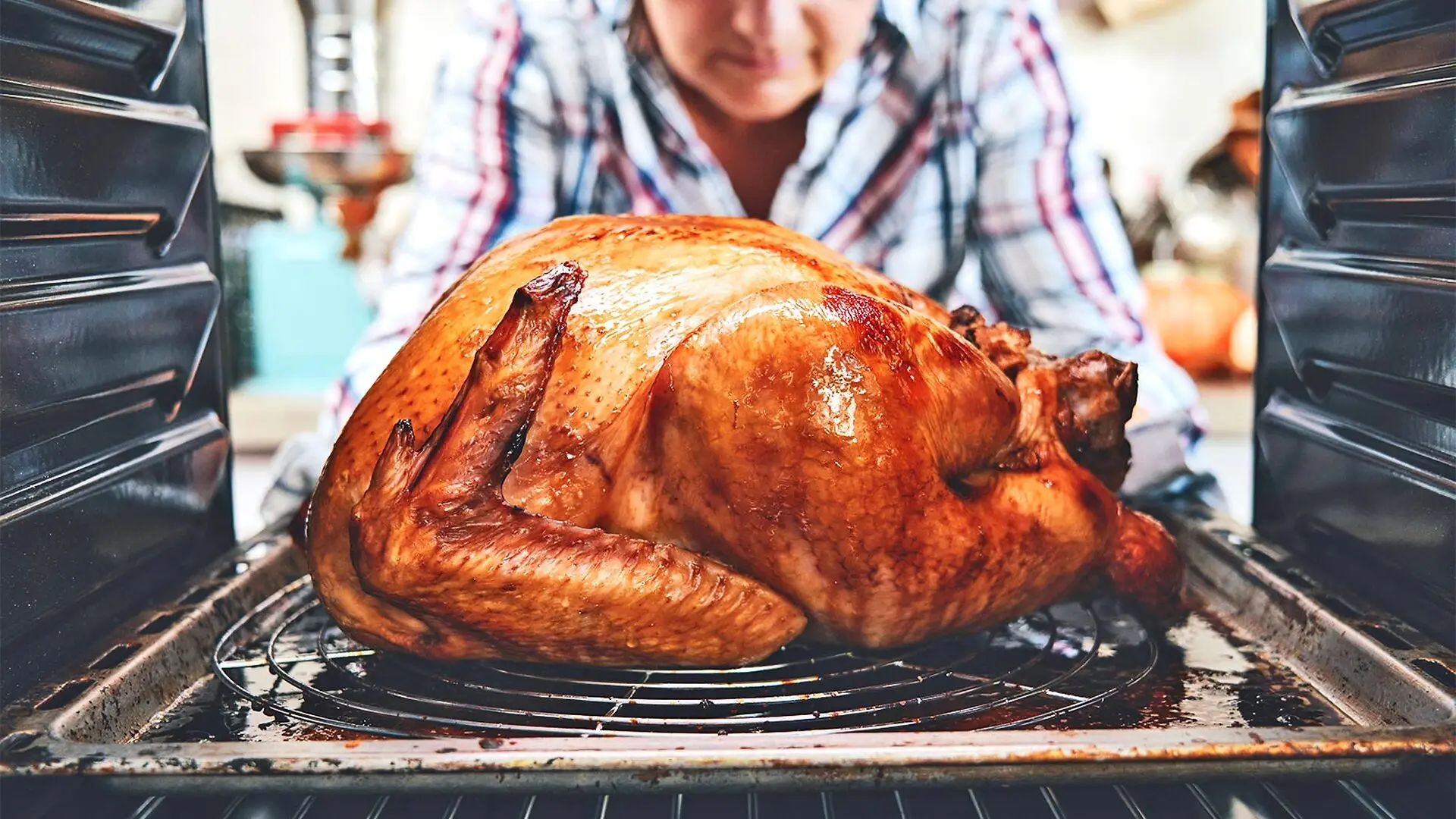
How a 19th-Century Editor and the Civil War Created Thanksgiving
While modern tradition often anchors the origins of Thanksgiving in the 1621 harvest feast shared by Pilgrims and Indigenous peoples in Plymouth, the holiday as we know it today is a much more recent invention. For centuries, the celebration remained inconsistent, lacking the national structure that defines the fourth Thursday of every November today.
The transition of Thanksgiving from a regional New England observance to a federal fixture was largely the result of a persistent, decades-long campaign by Sarah Josepha Hale. A prominent author, poet, and editor of Godey’s Lady’s Book—the most influential periodical of its era—Hale utilized her platform to lobby for a day of national reconciliation. Her efforts culminated in 1863, when she successfully persuaded President Abraham Lincoln to issue a formal proclamation for a nationwide celebration.
Michael Bernath, an associate professor of history at the University of Miami, notes that Hale’s crusade was driven by a desire to mend the deepening cultural fractures between the North and South. “In the middle of the war, Lincoln was looking for a way to boost Northern morale and also to boost Republican prospects in the upcoming election and a national holiday seemed like an easy way,” says Bernath.
Before the Civil War, the two regions held starkly different views on holiday observance. In the North, particularly in New England, Thanksgiving was the preeminent social event, serving as a primary time for feasting, family gatherings, and weddings. Conversely, the South placed little emphasis on Thanksgiving, often viewing the holiday as an alien Northern custom. This cultural divide was particularly jarring for Northern educators working in the Antebellum South, who found the Southern focus on a raucous, multi-day Christmas celebration equally foreign.
“For the South, Christmas was the major holiday—with a kind of over-the-top raucousness that these Northerners found quite odd, if not somewhat offensive, when they encountered it,” Bernath explains. This Southern festive tradition was often fueled by the practice of slave owners granting their enslaved populations time off between Christmas and New Year’s, which fostered a week of fireworks, music, and communal celebration. For early New Englanders, by contrast, Christmas was a low-key affair, and at one point in colonial history, it was even a punishable offense to observe the day.
Hale recognized these regional tensions and argued that a shared national day of gratitude could serve as a vital tool for unity. Following the devastating Battle of Gettysburg in 1863, her appeal to the White House finally gained traction. Lincoln’s subsequent proclamation established the tradition, and by 1870, Congress codified the holiday alongside Christmas, New Year’s, and Independence Day through the Holiday Act.
Despite its federal status, Thanksgiving was initially viewed in the South as a Northern imposition. It took several decades for the holiday to achieve universal acceptance below the Mason-Dixon line. According to Bernath, the eventual Southern integration of the holiday may have been facilitated by the rise of collegiate and professional football. “It’s the association with football that finally brings the South into the Thanksgiving fold,” he says. “That’s the speculation, and while it’s not conclusive, the timing works.”
Ultimately, while the mythology of the 17th-century harvest festival persists in the American consciousness, the holiday’s true foundation rests in the political and cultural reconstruction efforts of the 1860s. As Bernath concludes, the modern iteration of Thanksgiving is perhaps best understood not as a colonial artifact, but as a byproduct of the Civil War era.
This article has been fact checked for accuracy, with information verified against reputable sources. Learn more about us and our editorial process.
Last reviewed on .
Article history
- Latest version
- Posted by Zara Tariq