Maternal Epilepsy Links to Learning Delays Independently of Seizure Medication Use
New population data reveals that untreated maternal epilepsy carries neurodevelopmental risks, while confirming specific drug concerns.

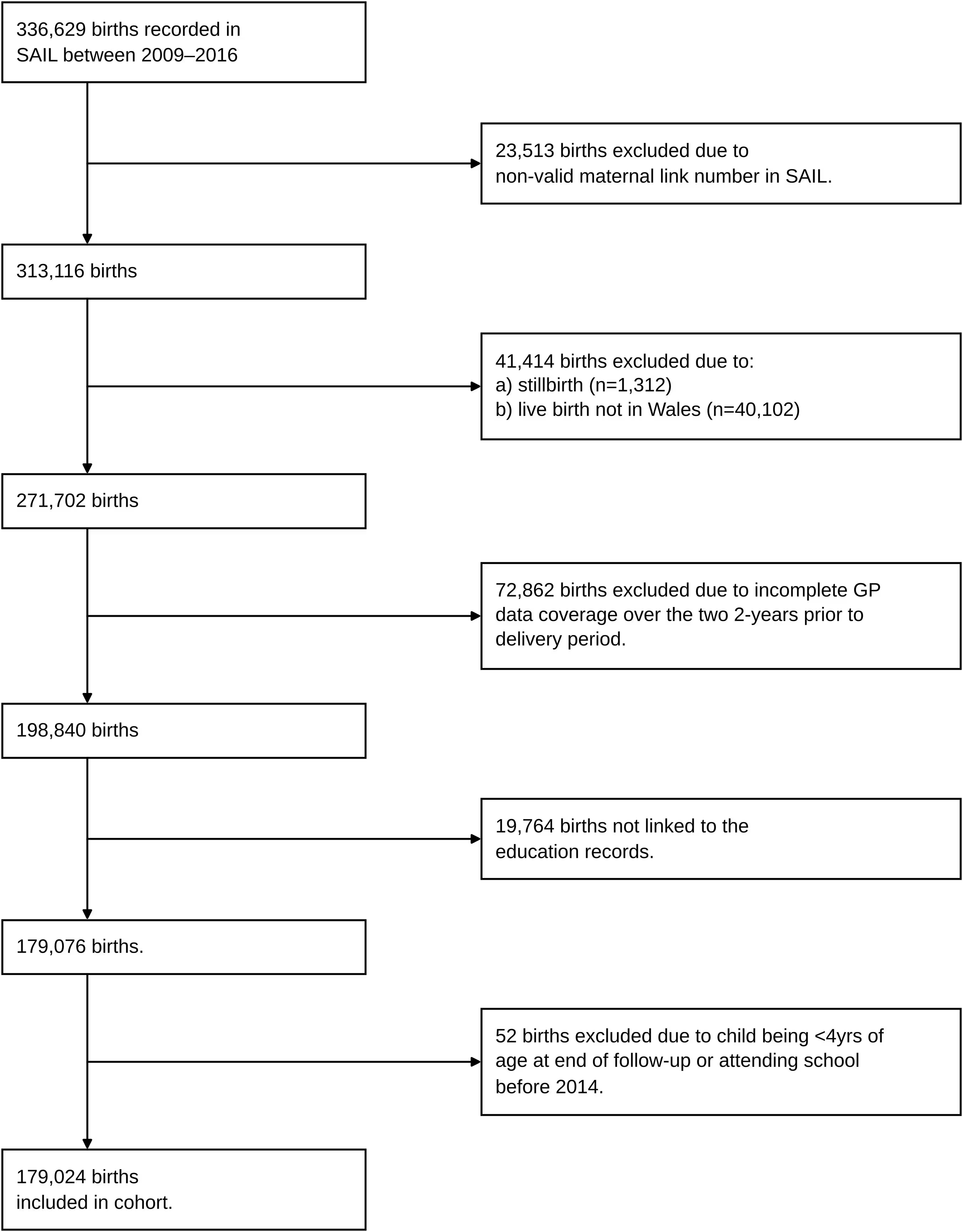
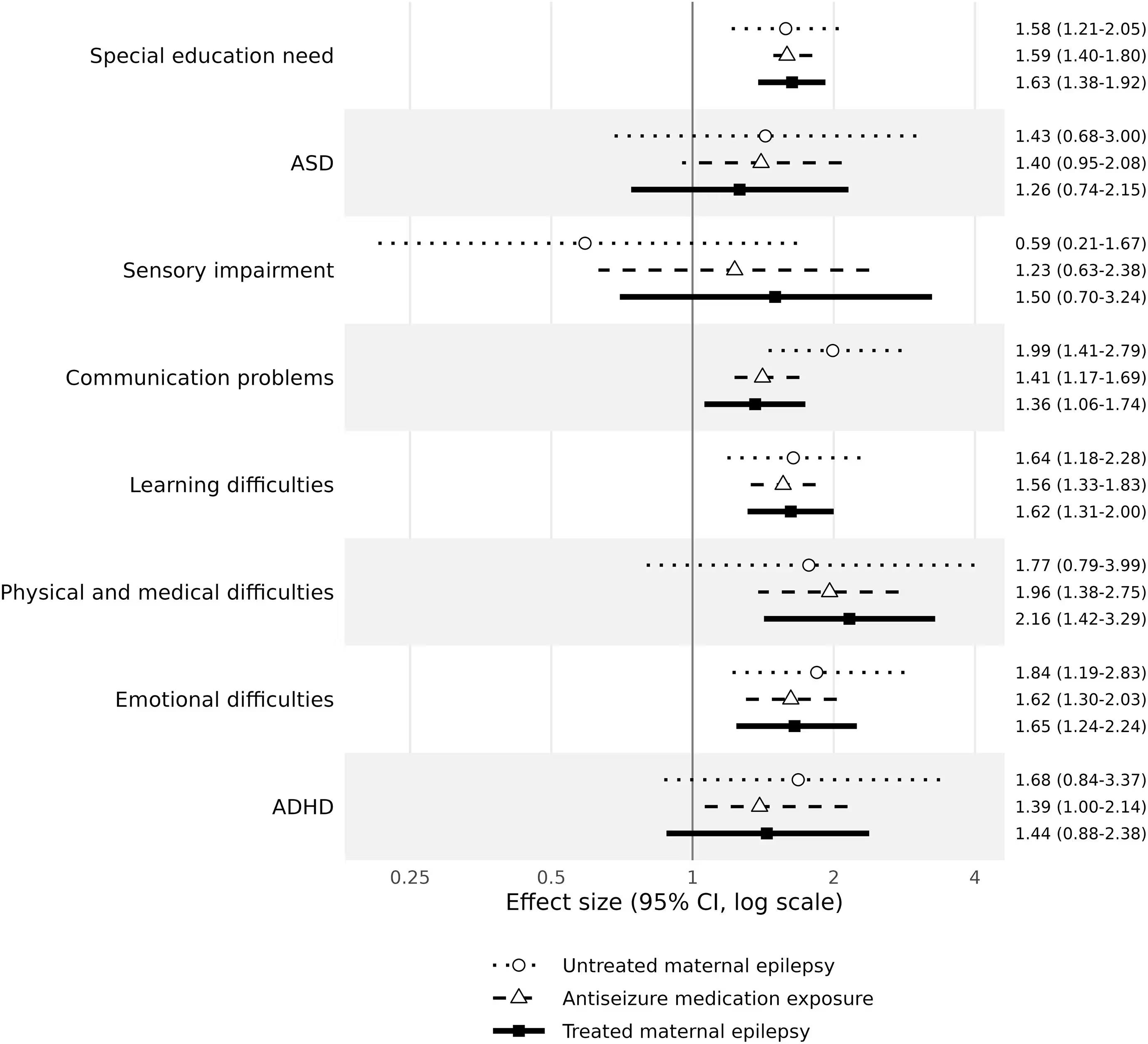
Children born to mothers with epilepsy face an increased risk of special educational needs and neurodevelopmental challenges, but much of that risk stems from the condition itself rather than the medications used to treat it. A retrospective cohort study published in PLOS One analyzed health and educational records for nearly one hundred eighty thousand children born in Wales between 2009 and 2016. The investigation found that offspring exposed to untreated maternal epilepsy experienced higher rates of communication problems, learning difficulties, and emotional challenges during their school years.
How did researchers track maternal health and child development?
Alexia Karain and colleagues at the University of Glasgow utilized the Secure Anonymised Information Linkage databank, which connects routinely collected healthcare and education records across the population of Wales. The research team examined data for 1,725 children whose mothers had a record of epilepsy diagnosis or antiseizure medication exposure. Among this group, 851 children experienced prenatal exposure to treated epilepsy, 355 experienced untreated epilepsy, and 519 involved prenatal medication exposure without a formal maternal epilepsy record.
Investigators tracked special educational need records annually from the pupil level annual school census, following children for up to 13 years from birth. Statistical models adjusted for multiple potential confounding factors, including maternal age, smoking status, parity, area-based deprivation, and comorbid mental health disorders such as depression or anxiety. The comparison group consisted of children whose mothers had no recorded epilepsy diagnosis and no record of antiseizure medication prescriptions.
What did the analysis reveal about specific seizure medications?
While general learning and communication difficulties appeared equally among children of mothers with treated and untreated epilepsy, autism spectrum diagnosis showed a distinct pattern linked directly to specific drugs. Prenatal exposure to sodium valproate was associated with a roughly threefold increase in the odds of an autism spectrum diagnosis, an effect that remained visible even after controlling for maternal health factors. The study also observed associations between autism diagnoses and a broader group of newer antiseizure drugs classified under British National Formulary category 3, though individual medications within that group lacked statistical power to show standalone significance.
By contrast, attention deficit hyperactivity disorder displayed associations with untreated maternal epilepsy rather than medication exposure. The authors noted that medications like lamotrigine and carbamazepine showed associations with specific educational challenges, yet the widespread presence of similar delays in children with untreated mothers points heavily toward confounding by indication and disease severity.
What are the main limitations of this observational data?
As an observational study relying on administrative healthcare records, the findings carry inherent boundaries. Researchers lacked direct measurements of seizure frequency, epilepsy severity, exact medication dosages, and individual maternal lifestyle factors such as folic acid supplement use or alcohol consumption. Furthermore, prescription records confirm only that drugs were dispensed, not whether patients ingested them consistently throughout pregnancy.
The study authors emphasize that these exploratory findings should be interpreted cautiously due to small numbers of exposed cases in certain drug categories. However, the reinforced signal regarding sodium valproate aligns closely with existing clinical guidelines that discourage its use during pregnancy whenever possible, underlining the delicate balance required in managing neurological health while safeguarding fetal development.
The research was published in PLOS One on November 23, 2026.
This article has been fact checked for accuracy, with information verified against reputable sources. Learn more about us and our editorial process.
Last reviewed on .
Article history
- Latest version
Reference(s)
- Karain, Alexia., et al. “Maternal epilepsy, prenatal antiseizure medication exposure, and risk of special education needs: A population-based cohort study in Wales.” PLOS One, vol. 21, no. 11, November 23, 2026, pp. e0363068 Public Library of Science (PLoS), doi: 10.1371/journal.pone.0363068. <https://doi.org/10.1371/journal.pone.0363068>.
Cite this page:
- Posted by David Anderson