Super-Healer Mice Reveal Genetic Secrets Behind Natural Joint Injury Protection
Single-cell RNA sequencing shows how natural resilience against post-traumatic osteoarthritis relies on enhanced antioxidant defenses and metabolic adaptation.
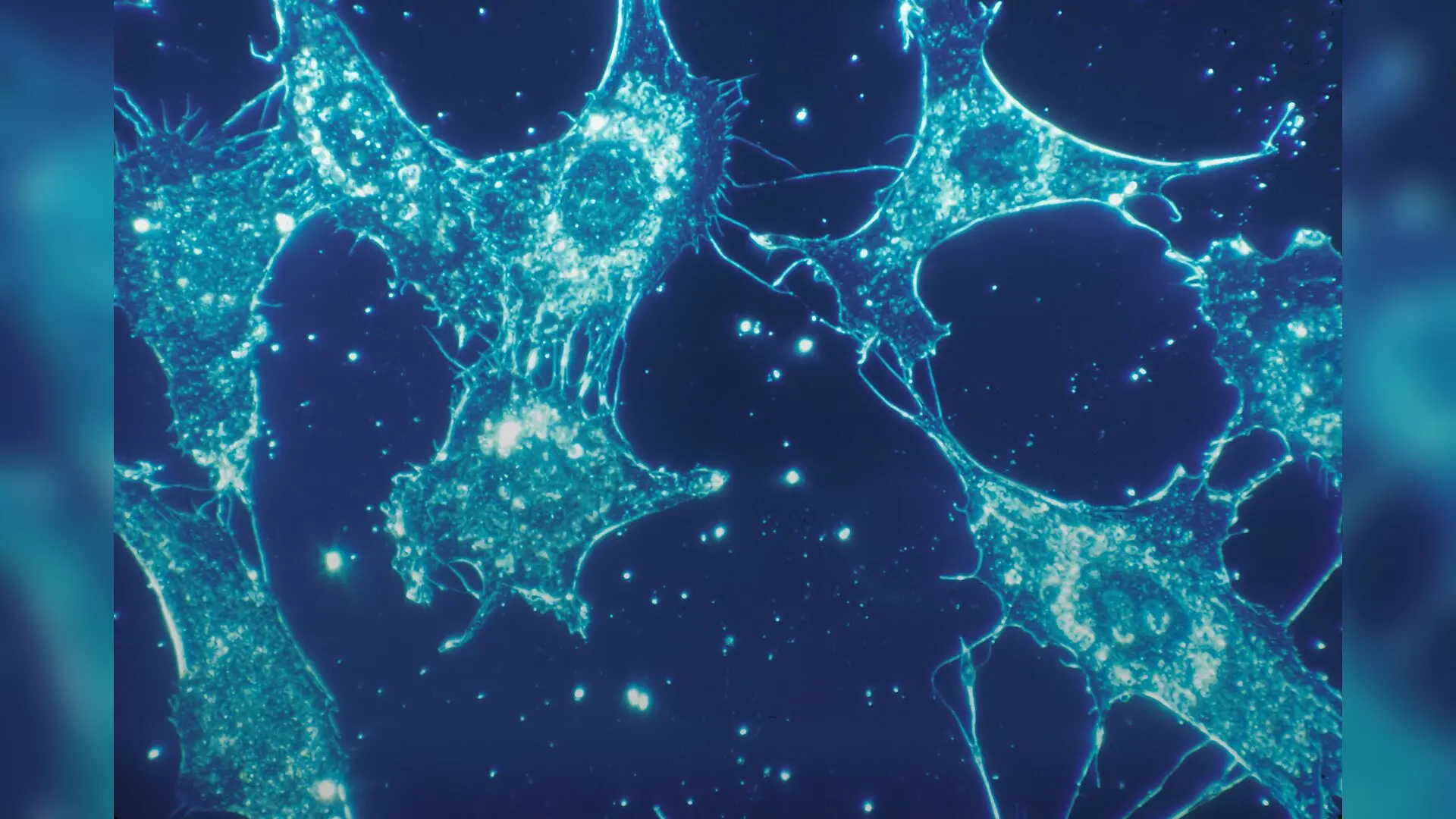
Super-healer mice possess an innate cellular toolkit that shields their joints from the devastating breakdown that typically follows severe physical trauma, according to a new study that sheds light on why some individuals develop debilitating arthritis while others remain remarkably resilient.
Post-traumatic osteoarthritis is a chronic degenerative condition that develops in nearly half of all people who suffer serious joint trauma, such as anterior cruciate ligament tears or meniscus injuries. While the condition triggers relentless cartilage breakdown and painful bone remodeling, the exact molecular shifts driving the disease have remained poorly understood. To uncover why certain subjects are naturally protected from this decline, researchers analyzed the knee joints of injury-resistant mice compared to susceptible animals using advanced single-cell genomics.
How Do Super-Healer Mice Protect Their Joints After Severe Physical Injury?
To pinpoint the cellular mechanisms behind joint protection, Sebastian and colleagues at Lawrence Livermore National Laboratory and the University of California, Davis, examined the knee joints of regenerative MRL/MpJ mice and susceptible C57BL/6J mice at baseline and four weeks after a controlled tibial compression overload injury. Using single-cell RNA sequencing on non-immune joint cells, the team cataloged eleven distinct cell populations, including fibroblasts, endothelial cells, and synovial cells. The study is published in Frontiers in Cell and Developmental Biology, detailing how the two strains mount radically different responses to identical mechanical trauma.
Four weeks after injury, susceptible mice experienced a massive expansion of scar-forming fibroblasts alongside significant cartilage thinning and proteoglycan loss. In contrast, the regenerative mice maintained a more stable tissue architecture with preserved cartilage thickness and robust vascular support. The researchers discovered that the protected strain activated a powerful suite of antioxidant and detoxification genes, whereas the susceptible strain showed a heavy bias toward fibrotic scarring, inflammation, and ossification.
What Specific Molecular Pathways Drive Natural Joint Regeneration?
A closer look at the genetic data revealed that resistant joints consistently upregulated genes linked to glutathione metabolism, cellular detoxification, and redox balance. Key antioxidant enzymes and protective factors such as glutathione peroxidase 4 and glyoxalase 1 were significantly elevated across endothelial cells, fibroblasts, and synovial cells in the protected animals. Glyoxalase 1 is an essential enzyme that neutralizes toxic metabolic byproducts, helping cells survive the harsh oxidative stress that typically follows acute joint trauma.
Furthermore, baseline genetic analysis identified several intrinsic differences between the strains that existed even before any injury occurred. Genes including glyoxalase 1, Vwa5a, and Lysmd2 were persistently higher in the regenerative strain across multiple tissues, pointing to a permanent, systemic preparedness against cellular damage. Proteomic mass spectrometry of the insoluble joint tissue confirmed these findings at the protein level, showing a higher abundance of Vwa5a and various glutathione-associated enzymes in the protected group.
What Are the Limitations of These Genomic Findings?
Despite the clarity of these cellular maps, the authors noted several important limitations. Because the single-cell RNA sequencing pooled cells from multiple animals within each experimental group, the design limited the assessment of inter-animal biological variability and prevented replicate-aware statistical analysis. Additionally, the study examined only a single post-injury time point in young male mice, leaving questions open about how these cellular dynamics shift over longer periods or in older subjects. Finally, while the data demonstrate a strong correlation between antioxidant activity and joint protection, future functional and pharmacological perturbation studies will be required to prove a direct cause-and-effect relationship.
These findings collectively highlight how coordinated metabolic adaptation and oxidative stress resistance can prevent destructive joint remodeling. By identifying the specific cellular programs that separate natural healing from chronic degeneration, the work opens new avenues for developing targeted, tissue-protective therapies that could one day halt osteoarthritis before it begins.
The research was published in Frontiers in cell and developmental biology on November 23, 2026.
This article has been fact checked for accuracy, with information verified against reputable sources. Learn more about us and our editorial process.
Last reviewed on .
Article history
- Latest version
Cite this page:
- Posted by Priya Sharma