Virtual Reality Therapy Helps University Student Overcome Severe Anxiety
A novel six-week immersive counseling trial reveals how digital environments and positive psychology can boost student well-being and personal autonomy.
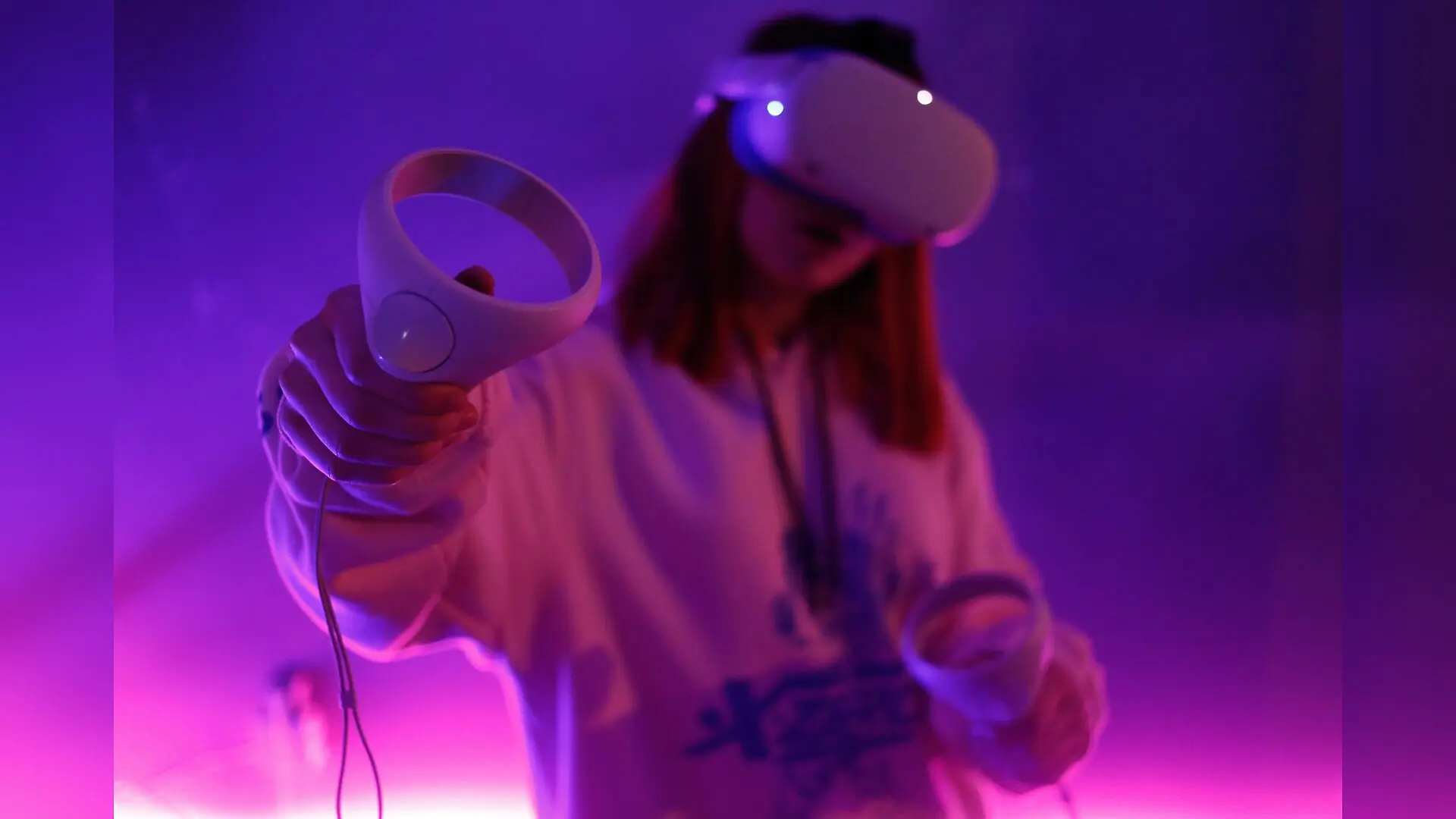
A 23-year-old university student experiencing severe academic stress and generalized anxiety found relief through a six-week counseling program that integrated virtual reality headsets and positive psychology exercises. M., an off-site master degree student in Italy, struggled with perfectionism, a constant pressure to remain productive, and difficulty recognizing moments of rest without experiencing guilt. To address these challenges, researchers implemented a novel immersive software called HOME_Positivity, allowing the participant to explore a virtual house, label emotions attached to everyday objects, and interact with a 3D tree representing personal character strengths.
How Did Virtual Reality Help Uncover Hidden Emotional Triggers?
During the sessions, M. navigated a fully immersive 360-degree virtual environment using an Oculus Quest 3 headset, which is detailed in research published in Frontiers in Health Services by Federica Vescovelli and colleagues from the University of Bologna. When exploring the virtual garden and interacting with a digital cat, the participant immediately reported intense feelings of joy coupled with a profound nostalgia for her distant family and childhood home. Using an embedded emotional labelling tool, she assigned specific emotional intensities to everyday digital objects, such as a computer representing her passion for studies and a virtual bed that paradoxically elicited both relaxation and guilt over perceived unproductiveness. This interactive method helped bridge the gap between abstract emotional distress and tangible daily behaviors.
What Were the Main Therapeutic Exercises in the Six-Week Program?
The intervention combined standard cognitive behavioral therapy with specialized virtual modules designed to foster psychological resources rather than just suppress symptoms. One exercise utilized an interactive 3D bookshelf containing philosophical quotes, prompting M. to evaluate which life goals genuinely aligned with her core personal values rather than external expectations from her family. Another gamified mechanism involved a virtual backpack where she stored psychological assets like autonomy and mindfulness for daily homework application. A virtual tree in the digital garden also displayed twenty-four character strengths based on positive psychology classifications, helping her recognize and practice virtues such as wisdom, temperance, and humanity in her intimate relationships.
Did the Treatment Produce Lasting Psychological Improvements?
To evaluate the efficacy of the intervention objectively, the researchers applied an ABA single-case design, assessing psychological distress and well-being before treatment, immediately after the six sessions, and at a three-month follow-up. Statistical analyses using Reliable Change Indices demonstrated clinically significant improvements in autonomy and a reduction in maladaptive coping strategies, gains that remained stable months later. M. successfully learned to set personal boundaries, decline unreasonable requests without overwhelming guilt, and decrease her daily compulsive smartphone usage. However, the initial reduction in negative emotional affect partially diminished by the three-month mark, suggesting that short-term digital interventions may benefit from periodic booster sessions or ongoing self-guided practice to maintain long-term emotional stability.
The research was published in Frontiers in health services on November 23, 2026.
This article has been fact checked for accuracy, with information verified against reputable sources. Learn more about us and our editorial process.
Last reviewed on .
Article history
- Latest version
Cite this page:
- Posted by Jessica Martin