Parasitic Mites Decimate Honey Bee Hives As Chemical Resistance Spreads Worldwide
New genetic silencing tools offer hope against pesticide-resistant Varroa mites threatening global food crop pollination.
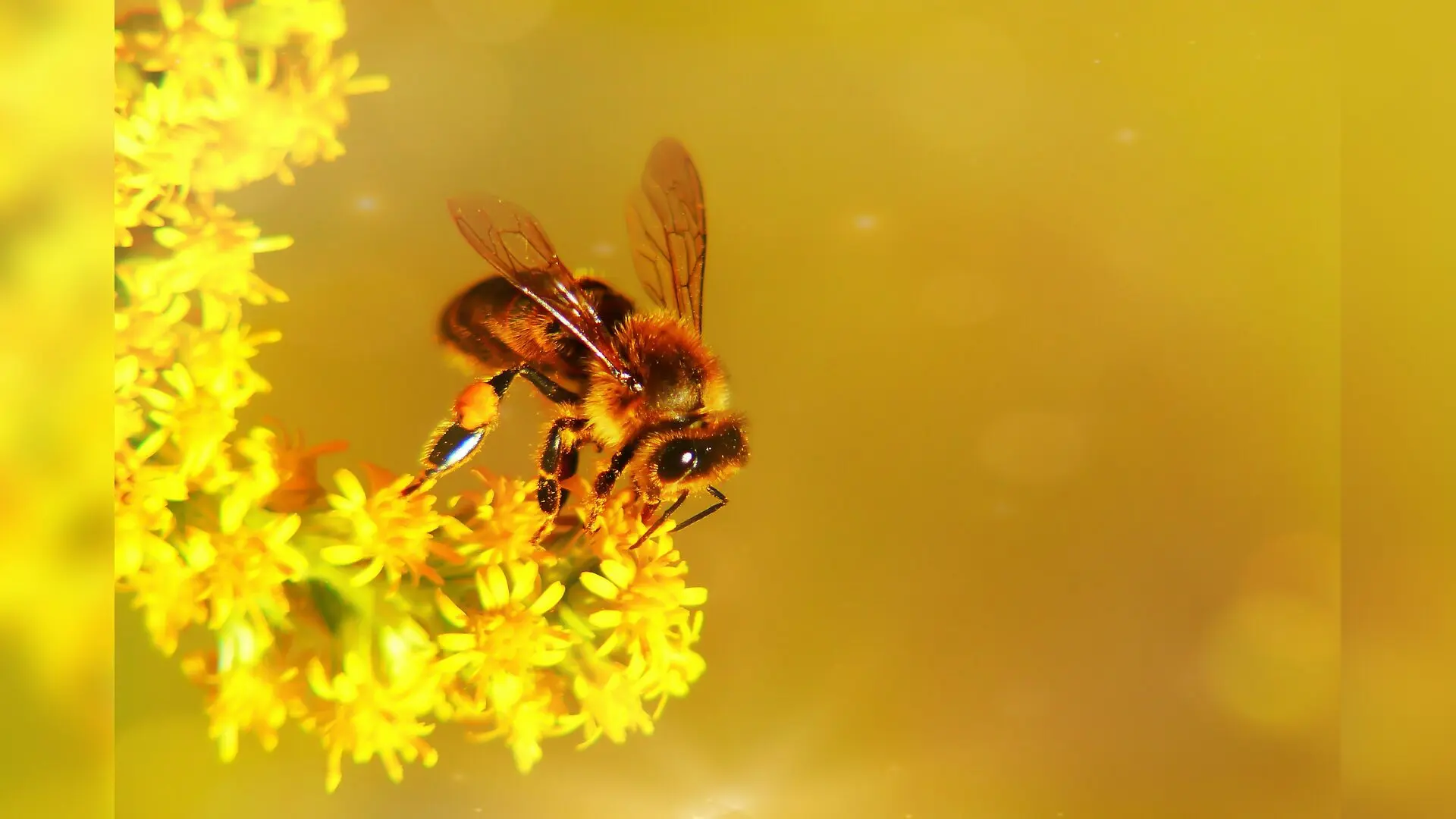
A tiny parasitic mite that threatens global honey bee industries has developed widespread resistance to standard chemical treatments, prompting researchers to look at genetic silencing tools as a potential solution. The Western honey bee, Apis mellifera, pollinates 87 of the world’s 115 leading food crops and accounts for roughly 35 percent of global food production volume. However, the ectoparasite Varroa destructor infests honey bee hives by entering brood cells to feed on developing bees, transmitting deadly viral pathogens while causing immunosuppression and physical deformities.
Writing in Frontiers in Insect Science, researchers L. Miles, R. Barkan, R. Harvey, and K. Mounsey from various institutions reviewed the escalating crisis surrounding Varroa management and the shift toward modern RNA interference technologies. The mite has colonized nearly every continent since spreading from Asia in the mid-twentieth century, with Australia experiencing a major incursion in New South Wales in June 2022 that led to the destruction of over 30,000 managed hives and costs exceeding $100 million within eighteen months.
How Did Chemical Resistance Spread So Quickly Across Regions?
By late 2023, eradication efforts in Australia were abandoned in favor of long-term management as the mite established widespread populations. The situation worsened in early 2026 with the detection of genetic resistance to synthetic pyrethroids in New South Wales and Queensland, followed shortly by resistance to the chemical amitraz. Genomic testing revealed common resistance mutations in the voltage-gated sodium channel and the beta-2 octopamine receptor, indicating that separate exotic incursions likely brought pre-loaded double-resistant mites into the country.
Traditional chemical miticides like pyrethroids and amitraz, along with organic acids and essential oils, often face limitations due to temperature sensitivities, risks of brood damage, and variable efficacy. Feral honey bee populations suffer catastrophic losses of up to 95 percent within three to four years of infestation, which subsequently drives up rental costs for farmers relying on managed pollination for crops such as almonds, macadamias, and apples.
Can Genetic Silencing Replace Traditional Chemical Miticides?
To bypass the evolutionary arms race of chemical resistance, scientists are increasingly turning to RNA interference, a natural cellular mechanism that uses double-stranded RNA to silence specific genes. The first commercialized RNA interference product for this purpose, Norroa, uses an active ingredient called vadescana to target the calmodulin-like gene in Varroa mites. While this treatment does not directly kill adult foundress mites, it suppresses embryonic development and reduces the reproductive success of mites from roughly 70 percent down to less than 10 percent in test colonies.
Despite these promising reproductive impacts, researchers note a major technology gap because vadescana fails to provide a rapid knock-down of adult mite populations in heavily infested hives. Laboratory studies examining direct soaking or microinjection of double-stranded RNA targeting alternative genes, such as endochitinase-like and chitin-binding proteins, have achieved adult mite mortality rates between 30 and 60 percent. However, successfully translating these laboratory mortality rates into real-world colony applications remains a key hurdle for future development.
What Challenges Remain Before Wide Adoption Becomes Reality?
Deploying double-stranded RNA treatments inside hives involves feeding bees a sugar syrup solution infused with the active ingredient, which nurse bees then process and pass on to developing brood. Field evaluations using dye proxies reveal that this distribution is not always uniform across all brood cells, leading to uneven exposure levels among feeding mites. Furthermore, researchers must carefully evaluate potential off-target effects on beneficial insects, persistence in hive matrices like wax and honey, and the possibility that pests could evolve resistance to RNA interference through impaired cellular uptake pathways.
The research was published in Frontiers in insect science on November 23, 2026.
This article has been fact checked for accuracy, with information verified against reputable sources. Learn more about us and our editorial process.
Last reviewed on .
Article history
- Latest version
Cite this page:
- Posted by Linda Wilson