NASA’s Aging Swift Observatory Is Falling to Earth and Could Reach the Surface
After 22 years of tracking powerful cosmic explosions, NASA’s Neil Gehrels Swift Observatory is preparing for its final descent back to Earth.
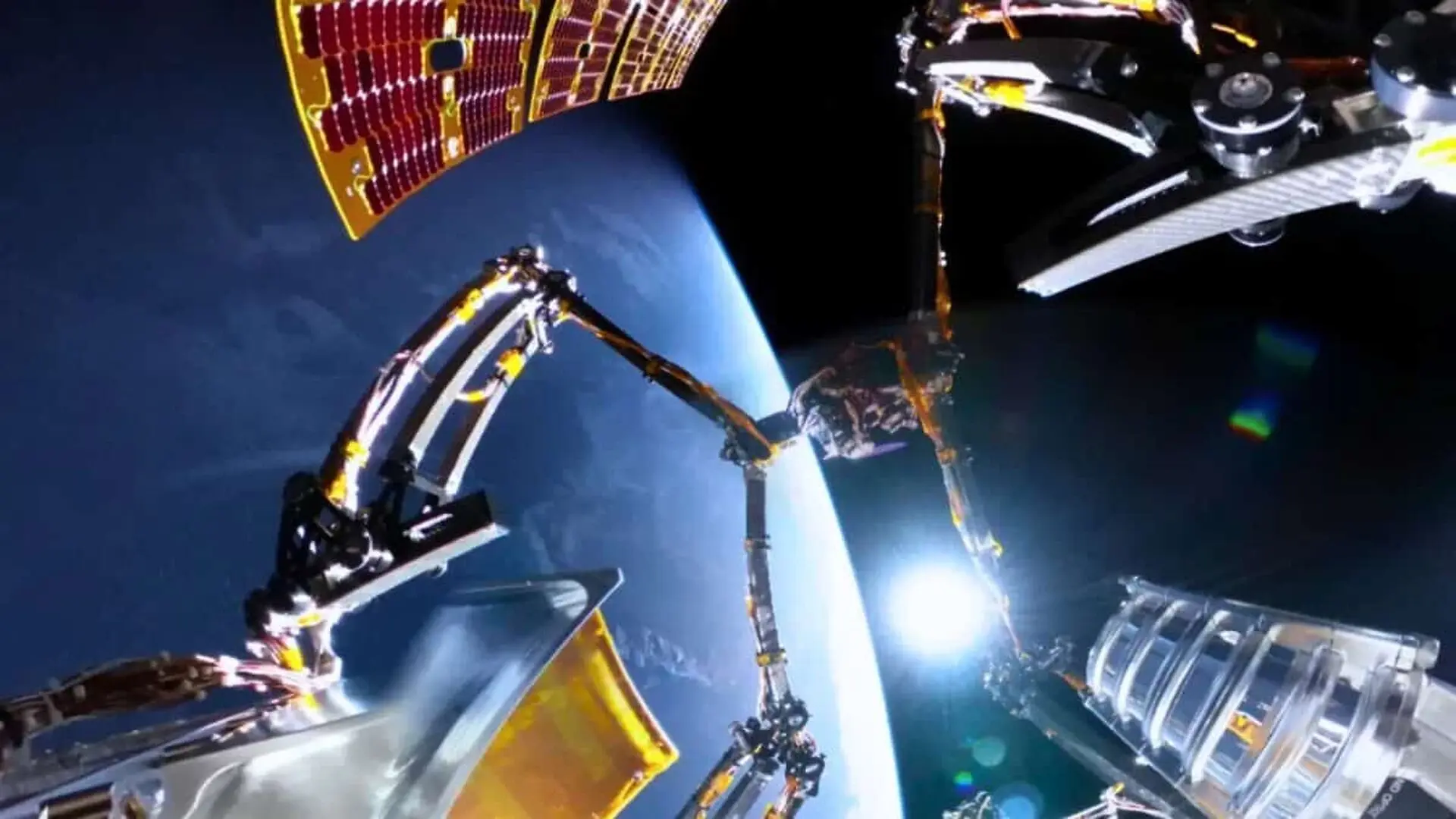
NASA’s Neil Gehrels Swift Observatory is currently on a final, uncontrolled descent toward Earth, with experts anticipating the 3,200-pound (1,450-kilogram) spacecraft will break apart upon re-entering the atmosphere around 3:30 a.m. Eastern time on Wednesday, November 4. While the exact timing remains subject to an 11-hour margin of error, current projections indicate the satellite is traveling at approximately 5 miles (8 kilometers) per second as it prepares to interact with the dense layers of the upper atmosphere.
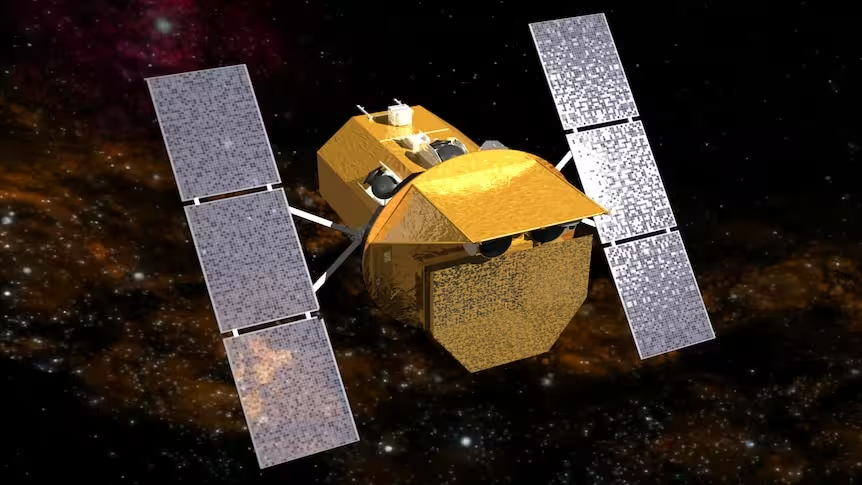
Launched in 2004 for a two-year mission to study the universe’s most energetic phenomena, the observatory far exceeded its operational life, remaining active for nearly 22 years. The upcoming re-entry is entirely uncontrolled, as the spacecraft lacks the propulsion systems necessary for a guided descent, and a recent commercial mission aimed at boosting its orbit failed to reach the vessel.
Geographic Constraints of the Descent
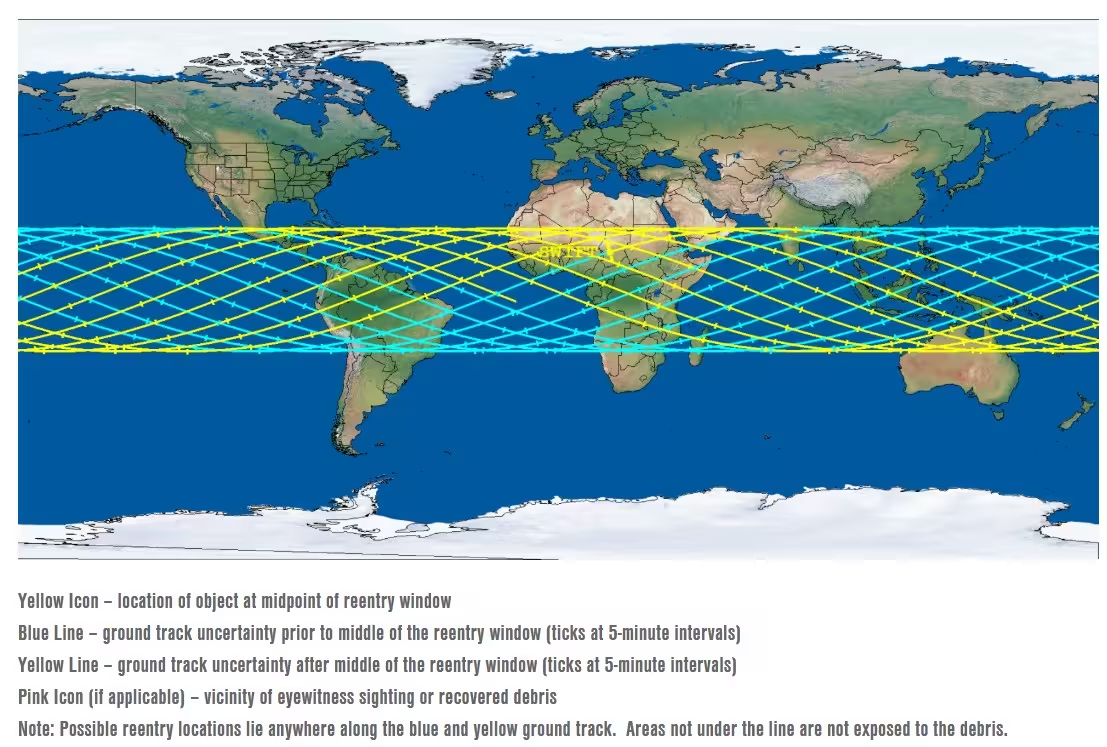
Due to the specific orbital inclination of the Swift observatory, any debris that survives the extreme heat of atmospheric re-entry is restricted to a narrow band around the Earth’s equator. The trajectory ensures that the spacecraft will only pass over regions between 20.6 degrees north and 20.6 degrees south latitude. This geography largely spares the continental United States and Europe from the path of potential impact.
Most of the orbital path crosses the open ocean, though areas of Africa and Australia remain within the projected footprint. NASA and the U.S. Space Force are continuously updating their models, though divergent forecasts from external agencies highlight the inherent difficulty in predicting the exact moment of atmospheric breakup.
Risk Assessment and Debris Potential
NASA has calculated the statistical risk of human injury from the re-entry at roughly 1 in 2,100. It is important to note that this figure represents the cumulative probability of any individual being injured globally, rather than a specific risk to any single person. While the majority of the satellite is expected to incinerate during its descent, engineers anticipate that dense materials, such as tungsten components and segments of the telescope mirrors, could potentially reach the surface.
The Challenge of Orbital Decay
The mission’s premature conclusion was exacerbated by solar activity. As the Sun approached the peak of its 11-year cycle, the resulting expansion of Earth’s upper atmosphere increased drag on the satellite, causing it to lose altitude more rapidly than anticipated. In an effort to extend the mission, NASA contracted the Arizona-based firm Katalyst Space to deploy a robotic craft, named LINK, designed to rendezvous with and boost the observatory to a higher orbit.
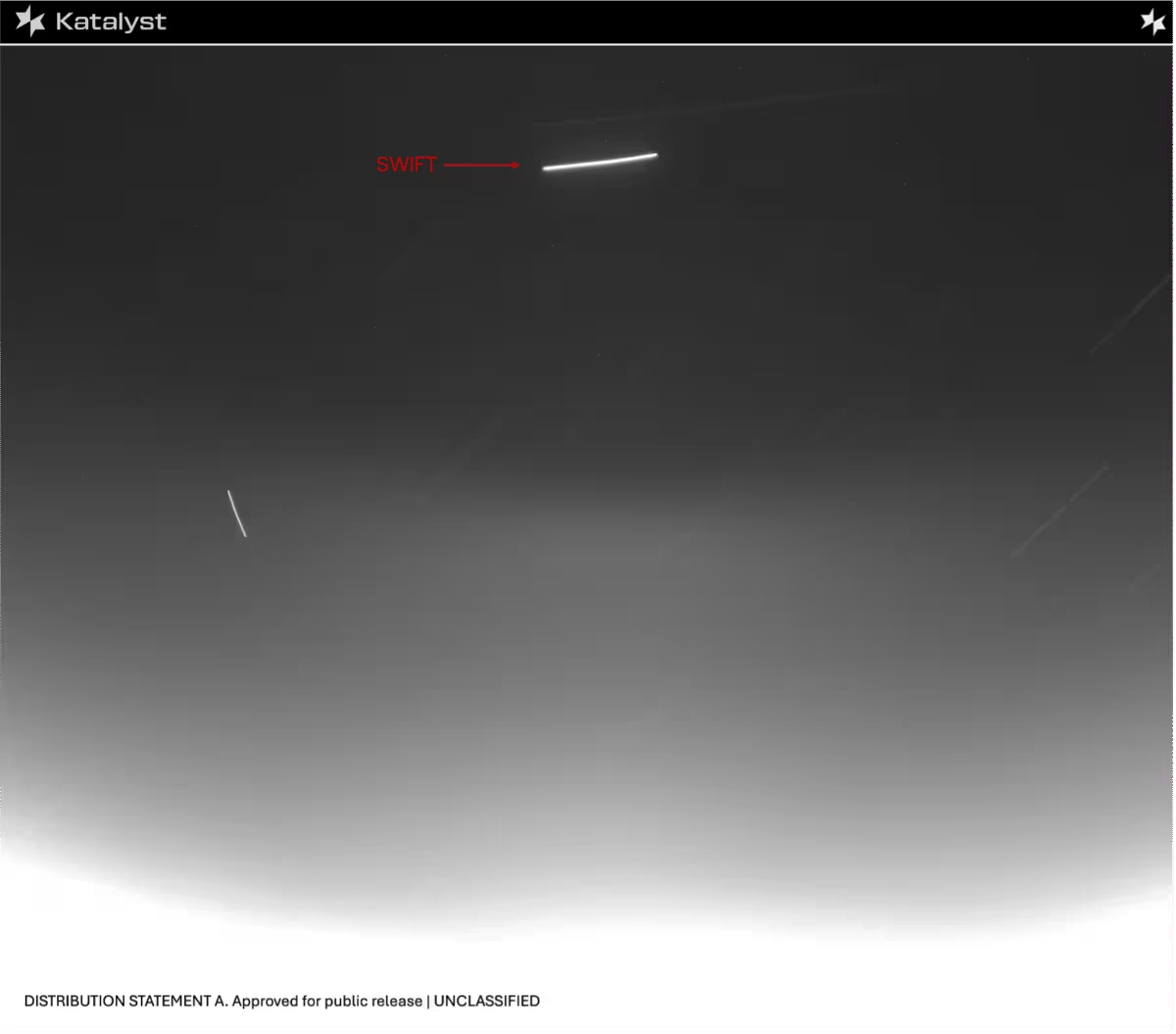
The ambitious rescue attempt launched in July 2026 faced immediate technical hurdles, including intermittent communication failures and orientation control issues. By late September, the LINK mission was abandoned, and the spacecraft re-entered the atmosphere. Shortly thereafter, Swift was placed into safe mode at an altitude of 171 miles (275 kilometers) before ground controllers officially decommissioned the observatory.
An Enduring Scientific Legacy
For over two decades, Swift served as a sentinel for the cosmos, specializing in the rapid detection and localization of gamma-ray bursts—high-energy events caused by collapsing stars or neutron star mergers. The observatory’s unique ability to pivot its instruments within a minute of an alert allowed it to capture data on more than 2,000 such bursts and 1,400 supernovas.
Renamed in 2018 to honor its first principal investigator, Neil Gehrels, the mission leaves behind a vast archive of 12 terabytes of data, which has underpinned roughly 7,000 peer-reviewed scientific papers. Reflecting on the mission’s closure, NASA’s Domagal-Goldman noted that the observatory provided an extraordinary return on investment, far exceeding its original design specifications.
The full observational catalog remains accessible to the scientific community, ensuring the legacy of Swift continues long after its final descent.
This article has been fact checked for accuracy, with information verified against reputable sources. Learn more about us and our editorial process.
Last reviewed on .
Article history
- Latest version
Reference(s)
- Weule, Genelle. “NASA's Swift space telescope predicted to crash back to Earth tomorrow.”, November 3, 2026 ABC News <https://www.abc.net.au/news/science/2026-11-03/nasa-swift-telescope-crash-landing/100018476>.
- Kazmierczak, Jeanette. “NASA Highlights Lessons Learned From Swift Boost Mission - NASA Science.”, September 28, 2026 NASA <https://science.nasa.gov/missions/swift/nasa-highlights-lessons-learned-from-swift-boost-mission/>.
- Reddy, Francis. “NASA’s Swift Mission Ends, Leaves Behind Scientific Bonanza - NASA Science.”, October 23, 2026 NASA <https://science.nasa.gov/missions/swift/nasas-swift-mission-ends/>.
Cite this page:
- Posted by Farah Siddiqui