Astronomers Discover 47 Hidden Ghost Galaxies Lurking Near Cosmic Neighbors
Astronomers have discovered a forgotten population of nearly invisible galaxies hiding in the deep darkness of space using powerful telescope observations.
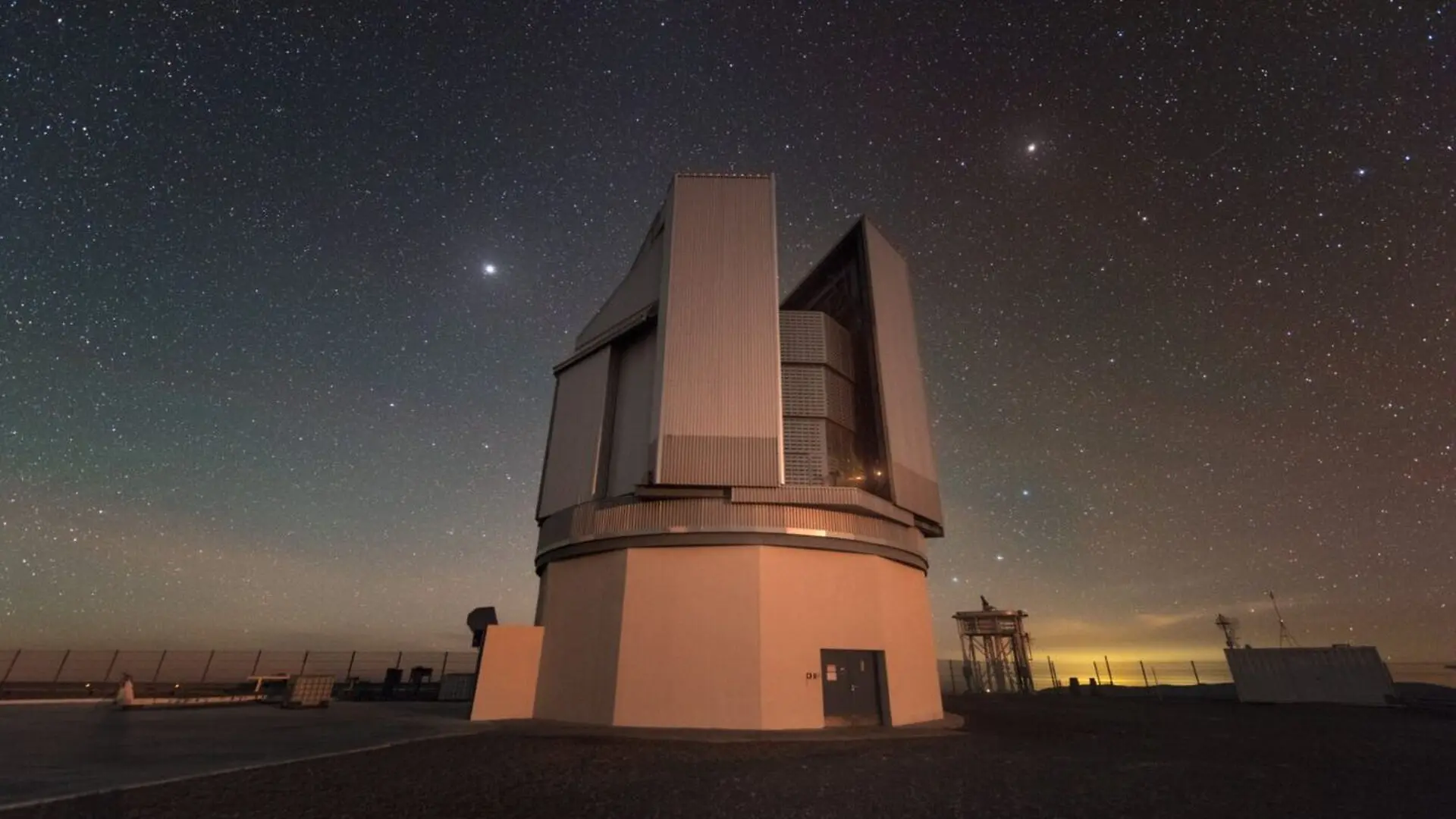
Astronomers have uncovered 47 previously unknown dwarf galaxy candidates orbiting three major galaxies situated far beyond our own Local Group. By utilizing the VLT Survey Telescope (VST) in Chile, a research team led by the Italian National Institute for Astrophysics (INAF) has shed new light on the elusive distribution of these small stellar systems, providing a fresh perspective on the complex mechanics of galaxy formation across the cosmos.
The findings, detailed in the journal Astronomy & Astrophysics, focus on the environments surrounding the spiral galaxy NGC 5068, the lenticular galaxy NGC 5084, and the elliptical galaxy NGC 5087. While dwarf galaxies are among the most numerous structures in the universe, their incredibly low luminosity—ranging from roughly one million to one billion solar masses—has historically made them notoriously difficult to detect, fueling the long-standing “missing satellite galaxies” problem in modern cosmology.
Deep Imaging Unveils Faint Cosmic Neighbors
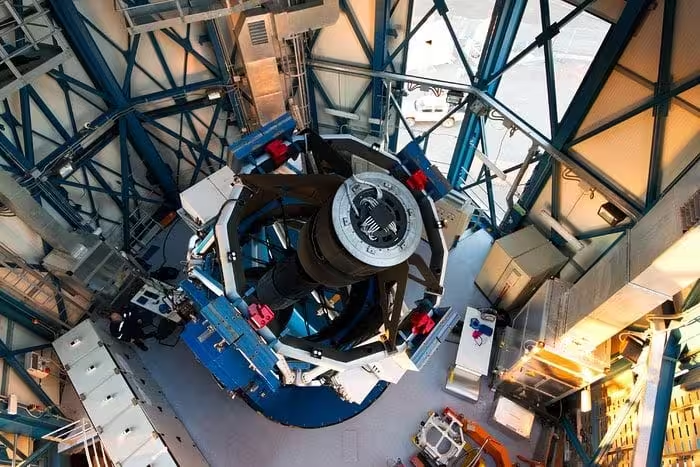
The investigation utilized high-resolution data from the VST-SMASH survey, conducted at the ESO Paranal Observatory. The VST’s capability to capture wide, deep-field images allowed the team to scan regions spanning 12 times the surface area of the full moon. Because automated detection algorithms often struggle to distinguish these whisper-thin signals from background noise, the researchers conducted a meticulous manual visual inspection, with three separate team members verifying the candidates to ensure accuracy.
Lead researcher Crescenzo Tortora emphasizes that this work goes beyond mere cataloging. “Studying these islands of nearly invisible stars is not just astronomical stamp collecting,” Tortora noted. “It is the only way we have to solve some of the major puzzles of the cosmological model and finally understand how mysterious dark matter shapes and molds the entire universe.”
Diversity in Galactic Evolution
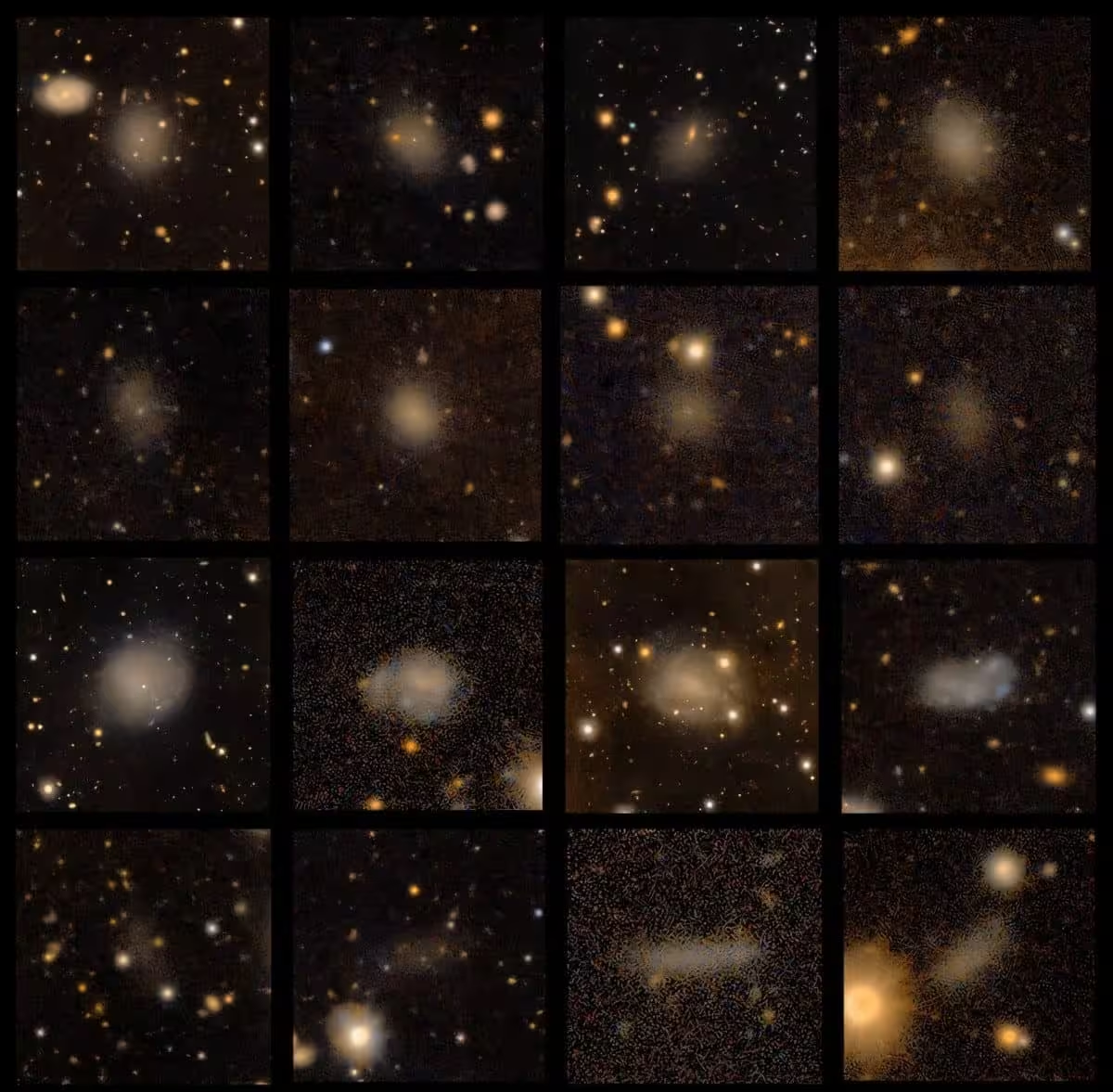
The newly identified candidates exhibit a range of structural types, including dwarf spheroidal, elliptical, and potentially irregular or spiral varieties. Observations suggest that the satellite distribution around NGC 5084 might form a flattened structure, an arrangement that mirrors the satellite alignment observed around the Milky Way. This discovery could offer critical data for testing current theories regarding galactic assembly.
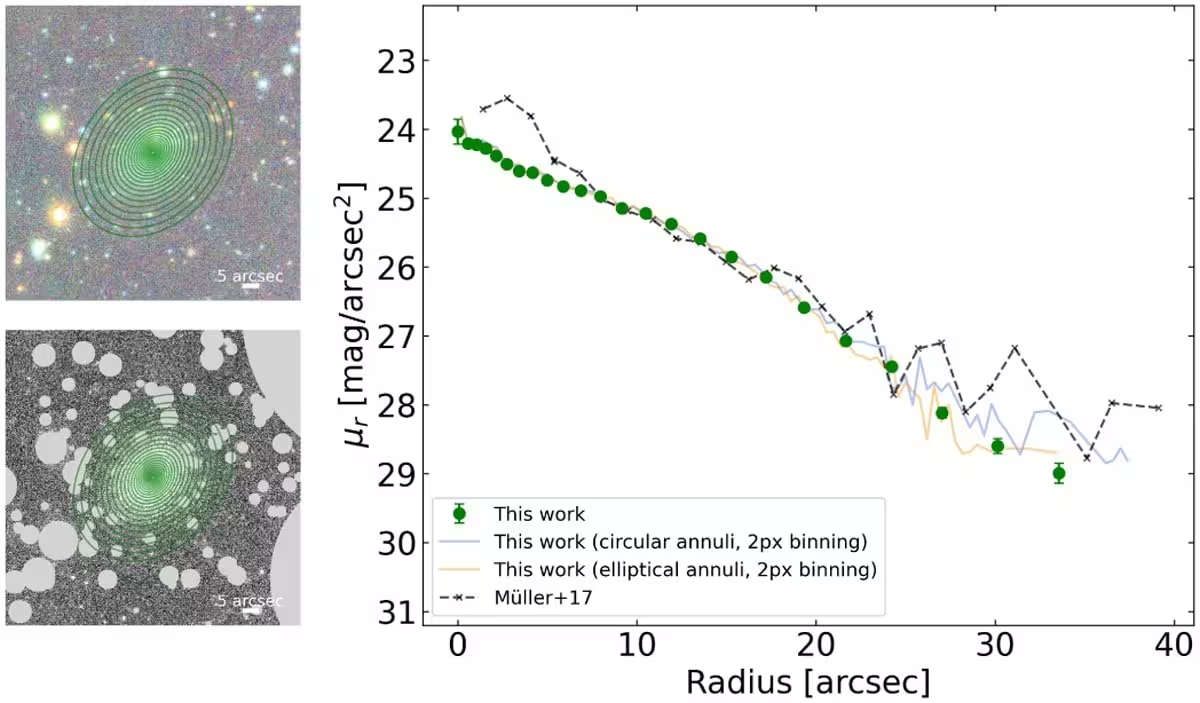
Postdoctoral researcher and co-author Rossella Ragusa highlighted how the VST’s increased light-gathering power provided a clearer view of the outer regions of these faint objects. “Thanks to the deep VST observations, we were able not only to ’see’ some extremely faint galaxies better, but also to characterize their light profiles with a high signal-to-noise ratio,” Ragusa stated. The team observed a color gradient where the galaxies appear redder toward their centers, a characteristic that may align with a “monolithic collapse” formation scenario.
Future Synergy with Space-Based Observatories
While these initial candidates have been identified through their structural and photometric traits, full confirmation will ultimately depend on spectroscopic data to pin down their precise distances and velocities. The team is already looking ahead to future collaborations, particularly with the European Space Agency’s Euclid space telescope, which is currently mapping the same regions of the sky. By combining high-quality ground-based VST data with the advanced capabilities of Euclid, researchers expect to significantly refine our understanding of how these cosmic building blocks populate the broader universe.
This article has been fact checked for accuracy, with information verified against reputable sources. Learn more about us and our editorial process.
Last reviewed on .
Article history
- Latest version
Reference(s)
- <https://www.aanda.org/articles/aa/full_html/2026/09/aa58634-25/aa58634-25.html>.
- “Crescenzo Tortora.” <https://www.crescenzotortora.com/>.
- <https://www.researchgate.net/profile/Rossella-Ragusa>.
- <https://www.esa.int/Science_Exploration/Space_Science/Euclid>.
Cite this page:
- Posted by Farah Siddiqui