One In Five Healthy Women In Northern Laos Carries High Risk Papillomavirus Strains
A new regional study reveals high carriage rates of viral genotypes not covered by older vaccines, pointing to urgent screening needs.
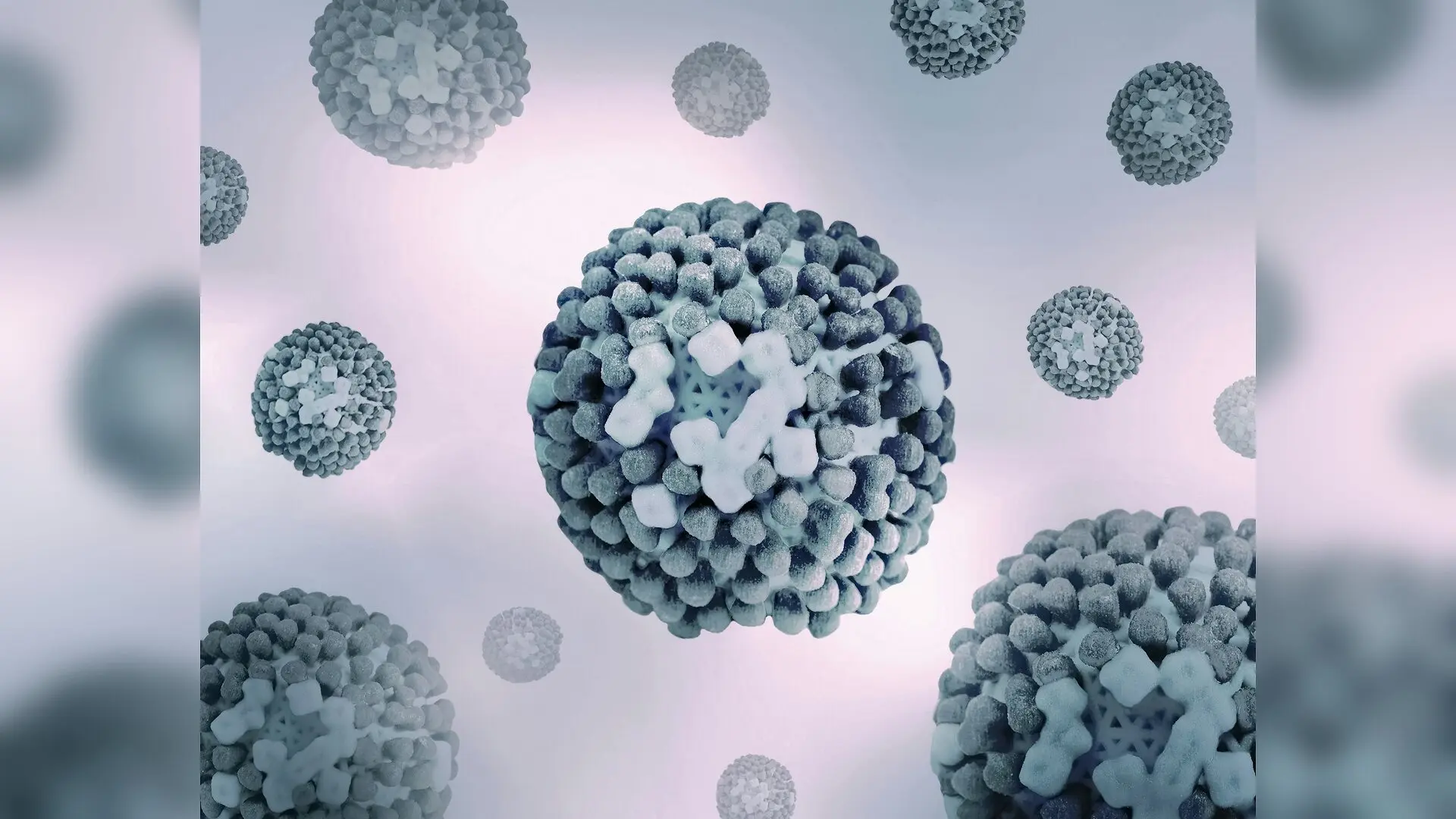
A new clinical evaluation reveals that roughly one in five asymptomatic women in northern Laos carries high-risk strains of the human papillomavirus, pointing to an urgent need for targeted cervical cancer prevention.
Cervical cancer remains a leading health threat for women around the world, driven largely by persistent infections with high-risk human papillomavirus genotypes that can lead to malignant cellular changes over time. To better understand how these viral strains distribute across populations with limited screening access, researchers examined health data from thousands of participants.
The cross-sectional study, published in PLOS One, was led by Vilaysone Khounvisith from the Institut Pasteur du Laos and colleagues who sought to map viral prevalence and cellular abnormalities across four northern provinces. Between October 2018 and February 2019, the team invited 1,302 healthy women with a mean age of 37.4 years to complete health questionnaires and undergo both standard cervical cytology, known as a Pap test, and molecular swab screening.
What Did the Screening Reveal About Local Infection Rates?
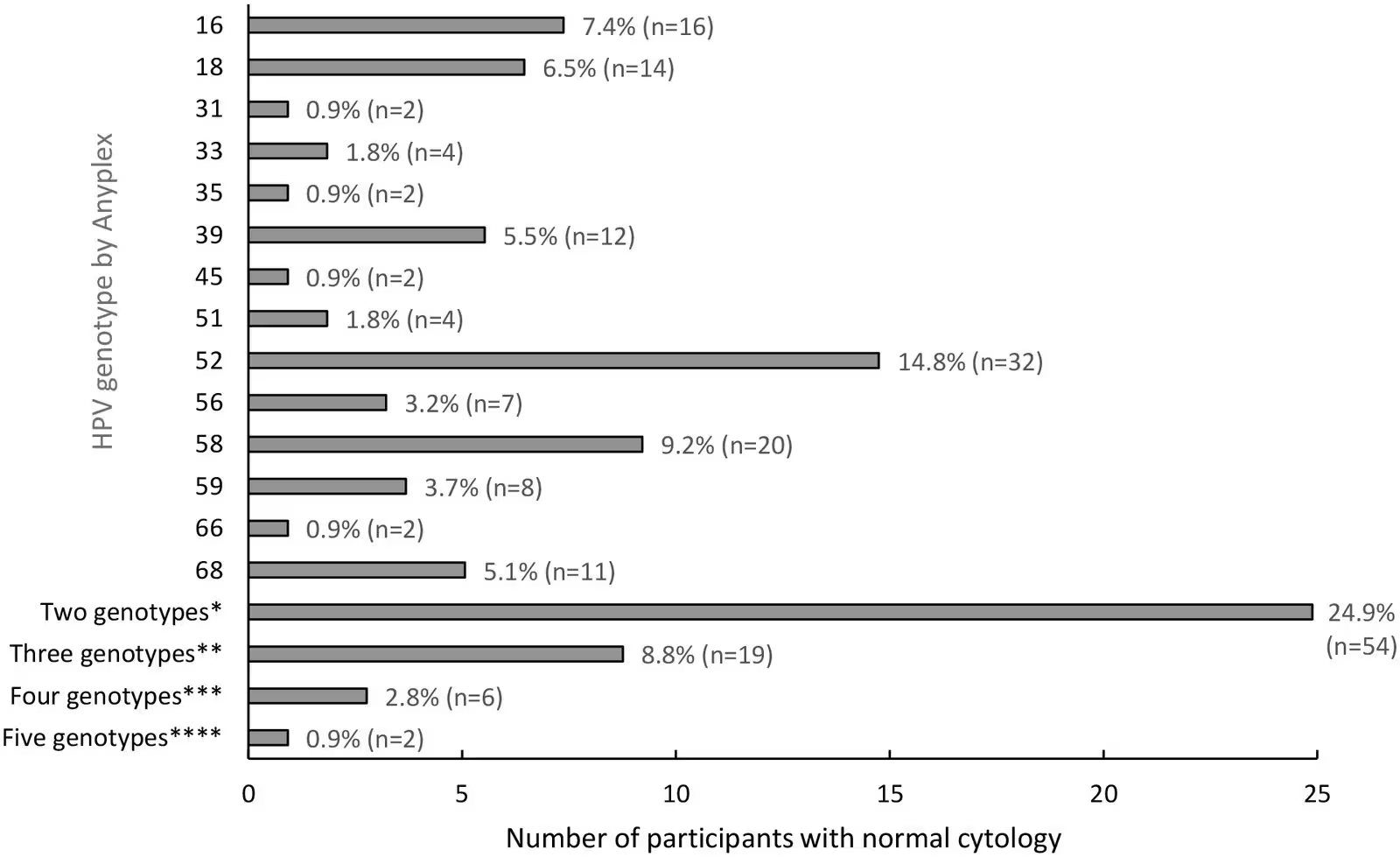
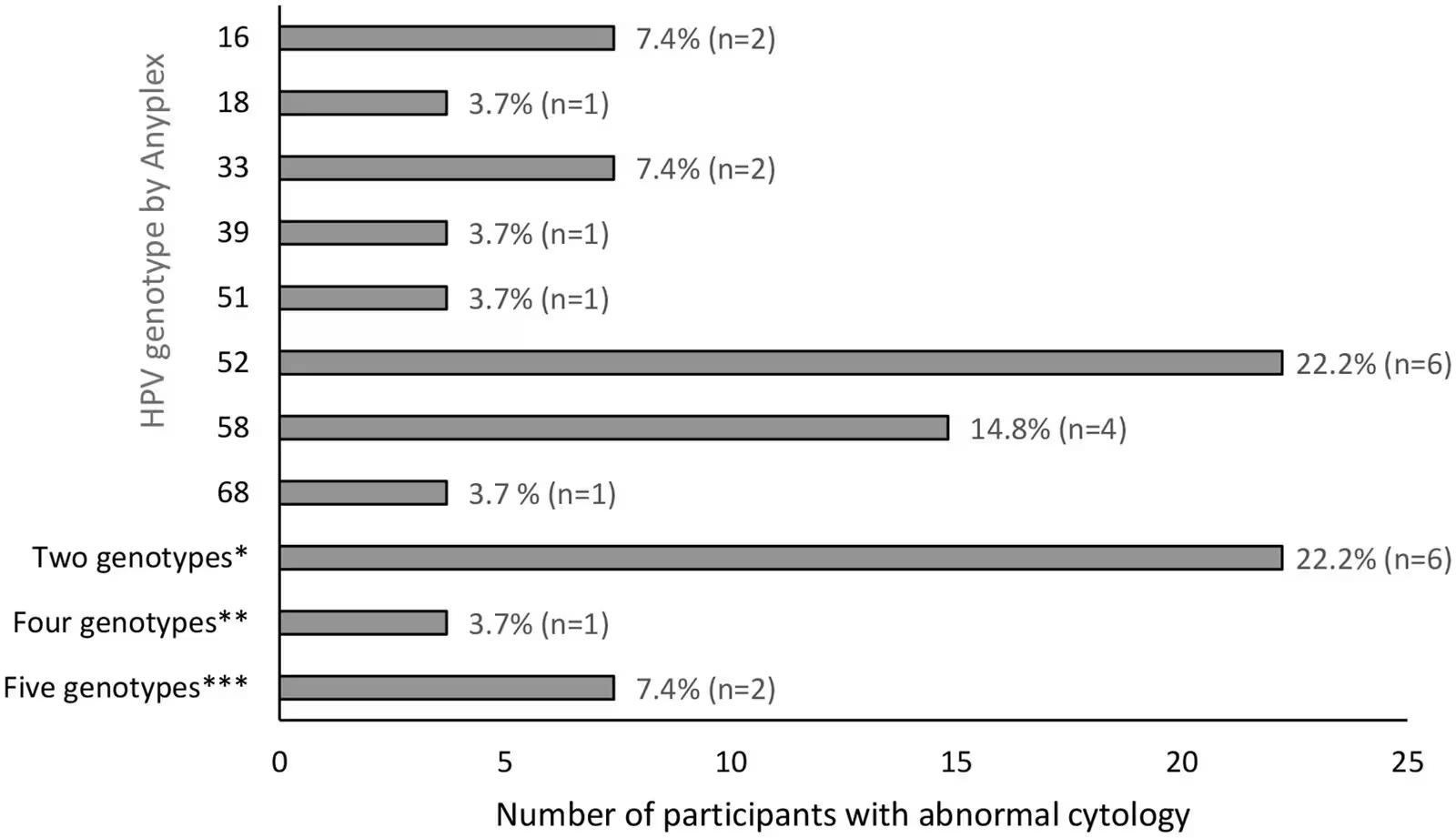
Out of 1,268 participants with evaluable Pap smear samples, the analysis identified 114 cases of abnormal cellular changes, representing about nine percent of the group, alongside three confirmed cases of cervical cancer. When technicians tested the samples for high-risk viral DNA using a commercial multiplex assay, they found that 21.6 percent of the evaluable participants carried at least one high-risk viral genotype.
The findings indicate that viral presence is widespread even among individuals showing no outward symptoms. Furthermore, more than a third of the participants who tested positive carried multiple high-risk viral strains simultaneously, a factor that medical literature associates with a higher risk of disease progression.
Which Viral Strains Were Most Commonly Detected?
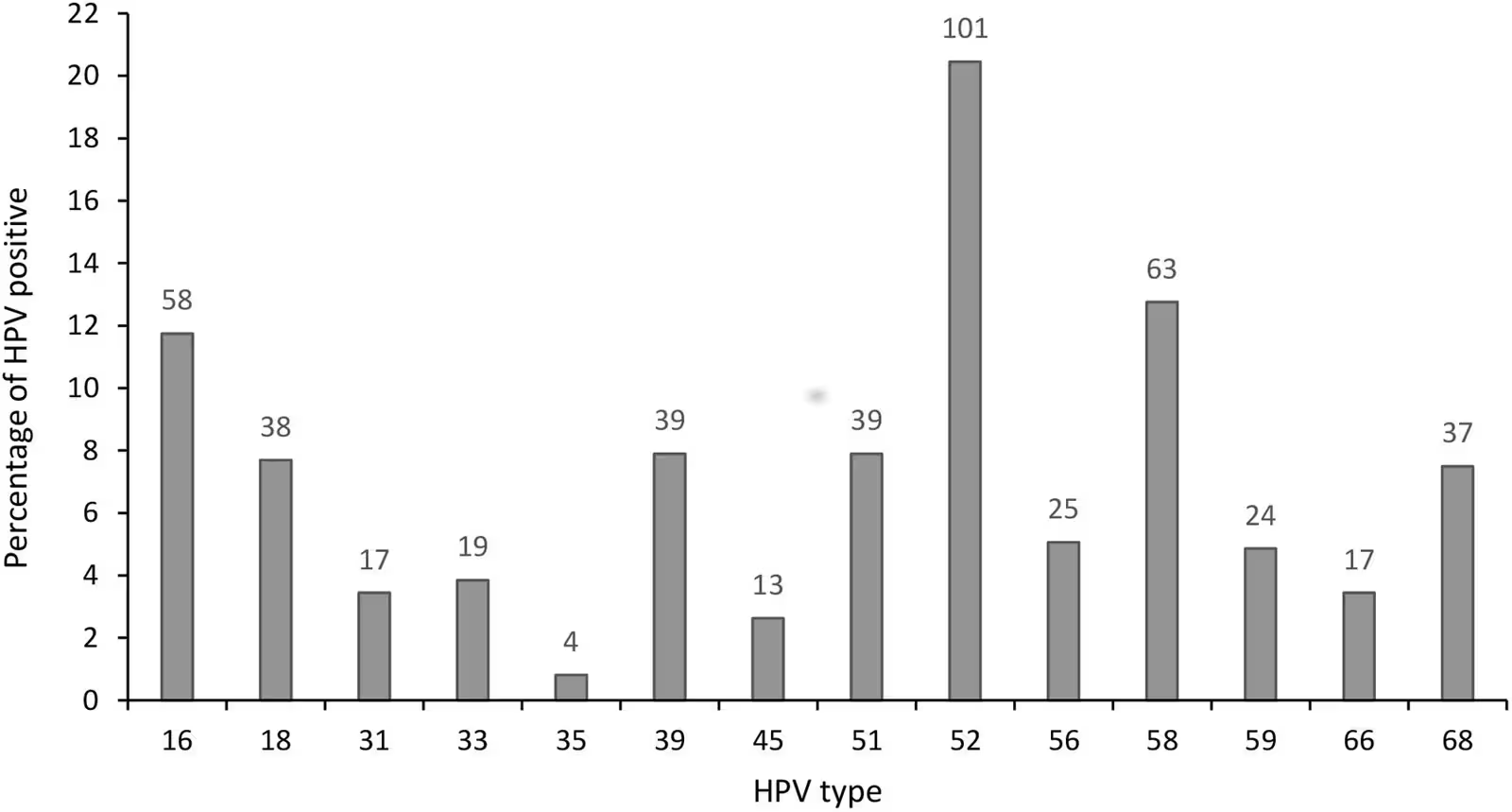
The research team cataloged fourteen different high-risk viral genotypes among the participants. The analysis showed that genotype 52 was the most frequent, appearing in roughly one-fifth of positive samples, followed closely by genotype 58 and the globally well-known genotype 16.
This specific distribution aligns closely with patterns observed in other East Asian populations, where types 52 and 58 frequently appear at high rates. The authors emphasize that these results carry direct implications for vaccination policy, as current national immunization programs in the region rely on older quadrivalent vaccines that do not target these specific dominant regional strains.
Who Faces the Highest Risk of Abnormal Cellular Changes?
Through multivariable statistical modeling, the investigators identified specific demographic and geographic factors associated with elevated health risks. Women aged forty and older showed a significantly higher likelihood of abnormal cytology results compared to younger participants, pointing to the cumulative nature of cellular changes over time or potential challenges with age-related tissue changes.
Geographically, participants living in Luangprabang province faced nearly twice the probability of abnormal cellular results compared to those in other areas. The authors suggest that Luangprabang’s status as a major international tourist hub and regional travel center may influence exposure pathways and transmission dynamics within the local community.
What Do These Findings Mean for Public Health Strategies?
The study highlights a distinct gap between viral carriage and routine clinical surveillance, as many participants had never undergone prior cervical screening. The authors note that reliance on symptom-driven medical visits leaves many infections undetected until advanced stages, while local healthcare infrastructure continues to face shortages of trained pathology professionals.
Ultimately, the high prevalence of non-vaccine-targeted high-risk strains provides strong support for transitioning toward newer nonavalent vaccines that protect against nine distinct viral types. The researchers conclude that expanding regular screening programs and implementing long-term follow-up protocols will be essential to mitigating the future burden of cervical cancer across the region.
The research was published in PloS one on November 20, 2026.
This article has been fact checked for accuracy, with information verified against reputable sources. Learn more about us and our editorial process.
Last reviewed on .
Article history
- Latest version
Reference(s)
- Khounvisith, Vilaysone., et al. “Prevalence and genotype distribution of human papillomavirus in women from northern provinces of Lao People’s Democratic Republic, 2018–2019.” PLOS One, vol. 21, no. 11, November 20, 2026, pp. e0363215 Public Library of Science (PLoS), doi: 10.1371/journal.pone.0363215. <https://doi.org/10.1371/journal.pone.0363215>.
Cite this page:
- Posted by Tariq Hassan