Over Eighty Percent of Pregnant Women in Yemeni Study Show Dangerously High Blood Lead Levels
New research from Amran reveals widespread heavy metal contamination and a strong statistical link to past miscarriages.

More than eighty percent of pregnant women examined in a recent medical study carried out in Yemen carried dangerously high levels of toxic heavy metals in their bloodstreams. The findings point to an alarming public health crisis driven by widespread environmental contamination and post-conflict infrastructural collapse.
Led by researcher Abdulsalam Al-Shami and colleagues at Taiz University alongside partner institutions, the cross-sectional study evaluated 150 clinically healthy expectant mothers between the ages of 20 and 41 years. The participants were recruited across public and private healthcare facilities in Amran City, located in Yemen’s western central highlands, during a screening window spanning from August to November 2024. The work was published in PLOS One on November 20, 2026.
How Badly Contaminated Were the Blood Samples?
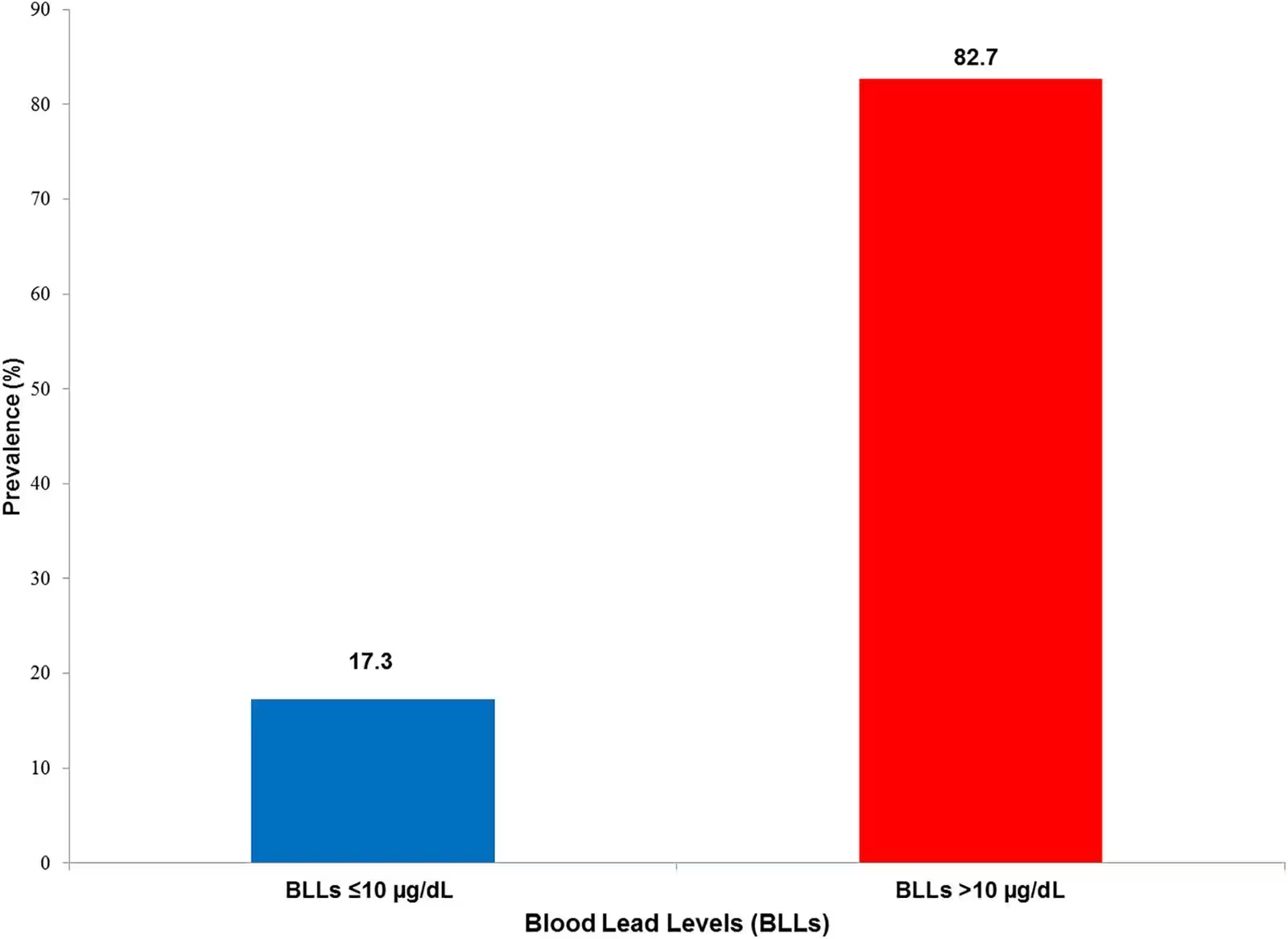
The research team measured blood lead concentrations using atomic absorption spectrophotometry, establishing a conservative baseline reference threshold of ten micrograms per deciliter. The results showed that 124 participants, accounting for 82.7 percent of the total sample, exhibited blood lead levels exceeding this safety limit. The median concentration across the entire cohort reached 40.8 micrograms per deciliter, with individual measurements spanning a staggering range from a minimum of 1.0 up to a maximum of 143.0 micrograms per deciliter.
These figures far exceed averages typically reported in developed nations and surpass comparable metrics documented in several other developing regions. The authors noted that such heavy metal saturation creates severe physiological risks during gestation, because lead readily crosses the placental barrier and directly exposes the developing fetus to potential toxicity.
What Links Did Researchers Find With Spontaneous Abortions?
To identify independent risk factors associated with heavy metal toxicity, the team performed a multivariable logistic regression analysis incorporating various socio-demographic and environmental variables. The statistical modeling revealed that women with a prior history of spontaneous abortion, meaning miscarriage, had nearly six times higher odds of having elevated blood lead levels compared to those without such a history. The adjusted odds ratio stood at 5.88, with a 95 percent confidence interval ranging from 1.66 to 20.89.
The authors emphasized that this strong statistical correlation does not establish a direct temporal cause-and-effect sequence, because the cross-sectional design evaluated blood concentrations and reproductive histories concurrently. Instead, the association likely reflects a shared chronic exposure pathway, wherein residents living in heavily contaminated urban zones accumulate high lifetime burdens of both heavy metals and adverse reproductive outcomes.
Why Is Lead Contamination So Prevalent in This Region?
The researchers highlight that Amran City suffers from a total lack of municipal zoning enforcement and a collapse of local infrastructure following years of conflict. This breakdown has resulted in the dangerous co-location of hazardous cottage industries within dense residential blocks, including informal lead-acid battery recycling workshops, open-air automotive repair clusters, and unregulated fuel distribution stations.
Furthermore, widespread poverty and severe food insecurity force many households to rely on cheaper alternative food sources and uncertified scrap-metal cookware. Nutritional deficiencies in essential dietary minerals like calcium and iron further exacerbate the problem by upregulating intestinal transport proteins that actively absorb environmental lead in place of missing nutrients.
What Are the Limitations and Next Steps?
The research team acknowledged several important limitations in their study, including a relatively small sample size of 150 participants that left the reference group constrained once high contamination levels became apparent. Additionally, the facility-based sampling approach systematically excluded the poorest and most vulnerable populations, such as internally displaced individuals unable to access urban clinics.
Despite these constraints, the authors argue that their findings demand immediate public health interventions. They recommend the strict enforcement of environmental regulations on industrial sites, increased community health education, and the routine integration of blood lead screening into antenatal care to identify and monitor high-risk expectant mothers.
The research was published in PloS one on November 20, 2026.
This article has been fact checked for accuracy, with information verified against reputable sources. Learn more about us and our editorial process.
Last reviewed on .
Article history
- Latest version
Reference(s)
- Qasem, Lina., et al. “Elevated blood lead levels among pregnant women in Amran, Yemen: Socio-demographic correlates and associations with a history of spontaneous abortion.” PLOS One, vol. 21, no. 11, November 20, 2026, pp. e0363160 Public Library of Science (PLoS), doi: 10.1371/journal.pone.0363160. <https://doi.org/10.1371/journal.pone.0363160>.
Cite this page:
- Posted by Susan White