Official Origin Seals Fail to Guarantee Higher Prices for Online Herbal Slices
A platform-wide analysis of herbal slice sales reveals that brand positioning matters far more than official origin labels.

When shopping for herbal medicine online, paying extra for an official origin label does not automatically mean you are getting a superior product, according to an e-commerce market analysis. Researchers tracking herbal slice sales across major Chinese shopping platforms discovered that basic brand positioning often outweighs official quality seals.
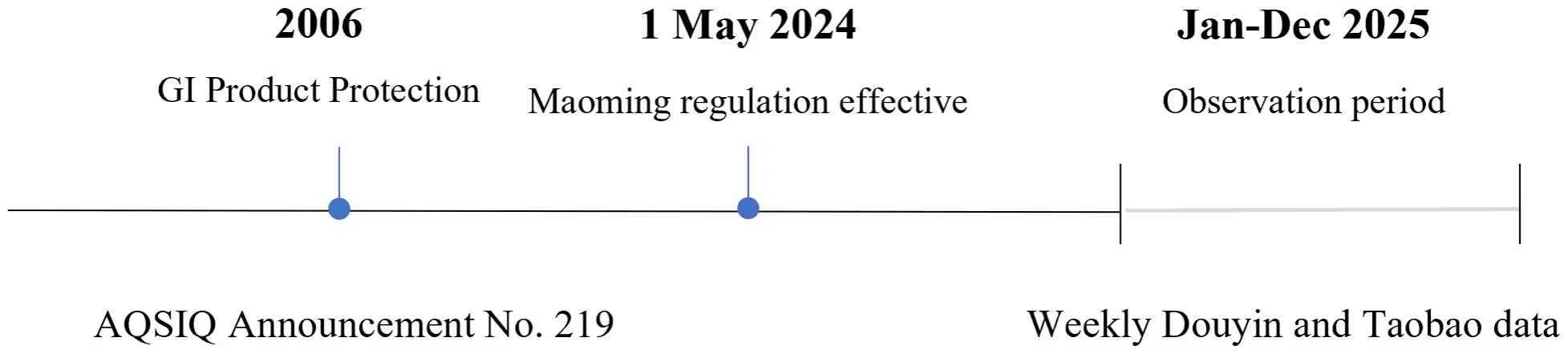
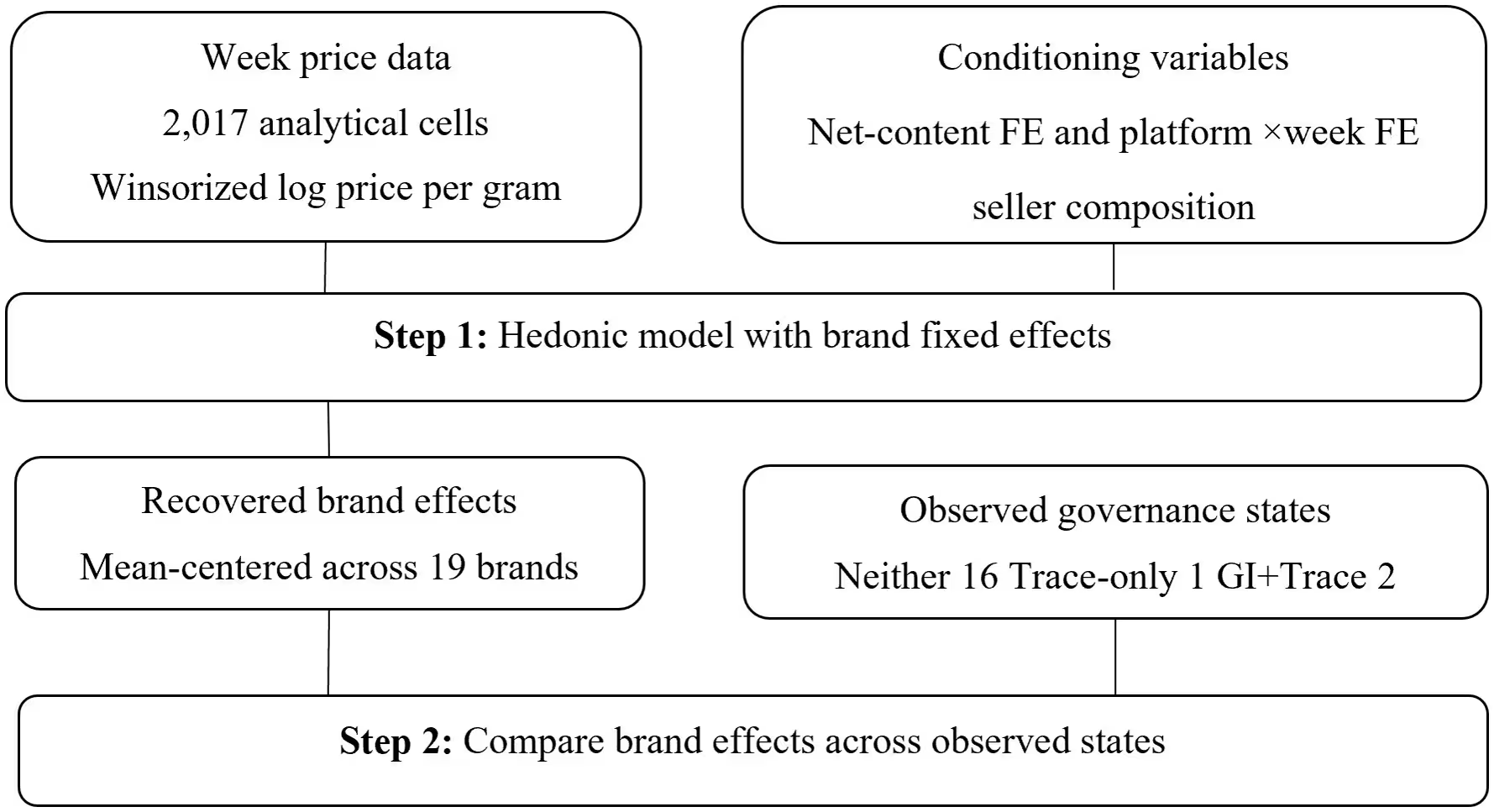
To untangle how digital storefronts price specialty goods, Wen Zhu and colleagues at an e-commerce data provider examined pricing patterns for Huajuhong slices, a dried fruit product from Guangdong province used in traditional remedies. The team analyzed 2,017 weekly sales records from 19 leading brands sold on Douyin and Taobao throughout 2025. Because official seals and tracking codes stay constant for any given brand, the authors deployed a two-step statistical model. First, they calculated underlying brand price differences after adjusting for package sizes, weekly platform promotions, and seller characteristics like flagship store status. Second, they compared these baseline brand price effects against three governance groups: brands with neither certification, brands with traceability codes only, and brands featuring both geographical indication authorization and traceability. The complete study is available on the PLOS One preprint server.
How Much Do Official Origin Labels Actually Shift Digital Price Tags?
The first-stage hedonic price model revealed massive variations in baseline pricing power across the 19 competing brands, with an initial R-squared fit value of 0.777. Brand-specific price components spanned a wide range from negative 2.026 to positive 1.278 log points. A standard statistical test confirmed that these underlying brand differences were highly significant across the board.
When comparing governance categories, brands featuring both geographical indication authorization and traceability showed a pooled estimate of 0.571 log points higher than uncertified brands. Conversely, the single brand categorized as having traceability features only showed a negative contrast of 0.423 log points compared to the uncertified baseline group. However, permutation tests yielded higher p-values, indicating that these general price contrasts lack robust statistical significance.
Why Do Platform Differences Change the Value of Verification?
The data revealed striking disparities between the two digital marketplaces. Douyin, which relies heavily on livestreaming and content recommendations, showed little to no positive pricing effect for certified brands. Taobao, which operates as a traditional search-driven marketplace, displayed much larger positive price contrasts for certified products.
The authors note that seller composition plays a massive role in shaping these final prices. Metrics such as flagship store intensity and manufacturer share showed significant positive coefficients, meaning official storefronts command higher prices regardless of whether they display government-backed quality stamps.
What Are the Main Limits of This Online Pricing Model?
The analysis relies on a relatively small group of top-selling brands, including only two brands with dual certification and a single brand with traceability alone. There were no brands in the sample that possessed a geographical indication label without a corresponding traceability system.
Because the dataset aggregates weekly sales metrics from online records rather than individual consumer receipts, the authors caution that the findings reflect broader market positioning rather than a direct causal price premium driven solely by certification. Future work will need to examine larger sample sizes across more diverse product categories to fully understand consumer behavior in digital marketplaces.
The research was published in PLOS One on November 25, 2026.
This article has been fact checked for accuracy, with information verified against reputable sources. Learn more about us and our editorial process.
Last reviewed on .
Article history
- Latest version
Reference(s)
- Zhu, Wen., et al. “Geographical indication signals and brand premia in China’s e-commerce platforms: Evidence from 2025 Huajuhong slices.” PLOS One, vol. 21, no. 11, November 25, 2026, pp. e0344804 Public Library of Science (PLoS), doi: 10.1371/journal.pone.0344804. <https://doi.org/10.1371/journal.pone.0344804>.
Cite this page:
- Posted by Joseph Jackson