Virtual Reality Training Boosts Arm Recovery After Stroke, Study Reveals
A meta-analysis of eleven clinical trials shows positive effects on arm movement and daily independence, though hand dexterity gains remain uncertain.
Playing video games and using virtual reality headsets may help stroke survivors regain control of their arms and hands during the critical healing window following a medical emergency, according to a comprehensive review of past clinical trials.
About half to seventy percent of stroke survivors experience long-term physical limitations that affect their everyday independence. The months immediately following a stroke represent an essential biological window for recovery because the brain exhibits heightened neuroplasticity, which is the ability to reorganize and form new neural connections.
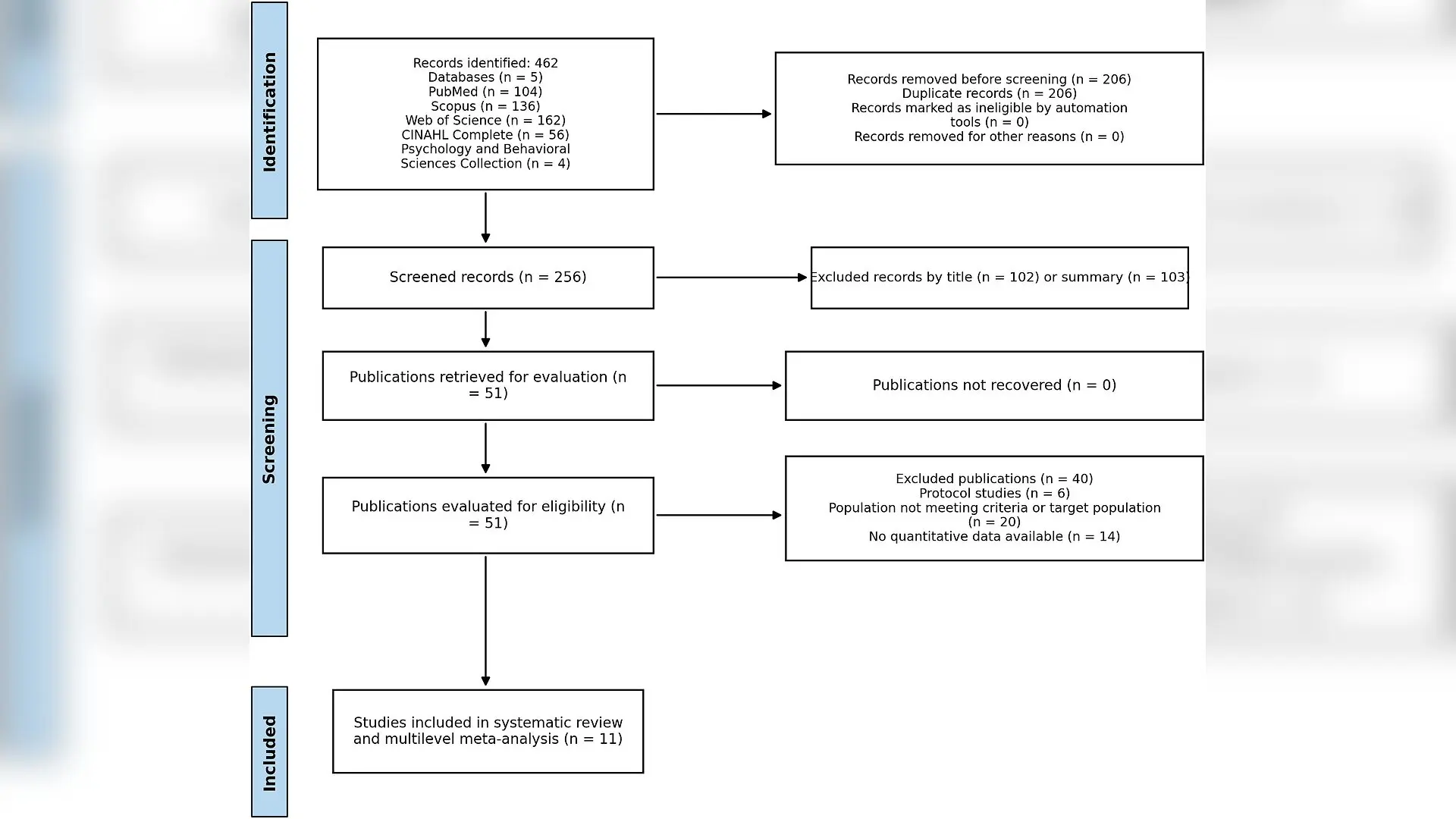
To evaluate whether digital headsets and interactive screens can boost this recovery, researchers analyzed data from eleven randomized controlled trials involving five hundred ten unique participants. The study was published in PLOS One by Joaquín Pérez-Cárcamo from the University of Santiago, Chile, alongside colleagues from other academic institutions.
Can Digital Headsets Rebuild Damaged Arm Control?
The research team performed a statistical technique called multilevel meta-analysis to combine data from multiple scientific studies while accounting for overlapping measurements. They examined three primary recovery areas: upper-limb motor function, manual dexterity, and functional independence in daily living activities.
The pooled results pointed to a statistically significant positive effect on upper-limb motor function for patients using virtual reality systems compared to control groups. This analysis yielded a standardized mean difference, known as Hedges’ g, of zero point fifty-six, which indicates a moderate performance advantage for patients engaging with immersive or non-immersive virtual reality environments.
For functional independence, which was evaluated using standard daily living scales like the Barthel Index, the analysis also revealed a statistically significant improvement. Patients who used virtual reality tools scored modestly higher in their ability to manage daily tasks independently.
Where Does the Technology Fall Short?
Despite positive results in general arm movement and daily independence, the evidence for manual dexterity was less clear. When researchers looked specifically at hand dexterity using the Box and Block Test, which measures how many wooden blocks a person can transport across a partition in one minute, the improvement was not statistically significant.
The authors noted that high statistical heterogeneity, or variation between the different studies, complicated the findings. Differences in equipment, session lengths, training frequencies, and patient baseline health meant that the pooled estimates represent an average effect rather than a universal guarantee.
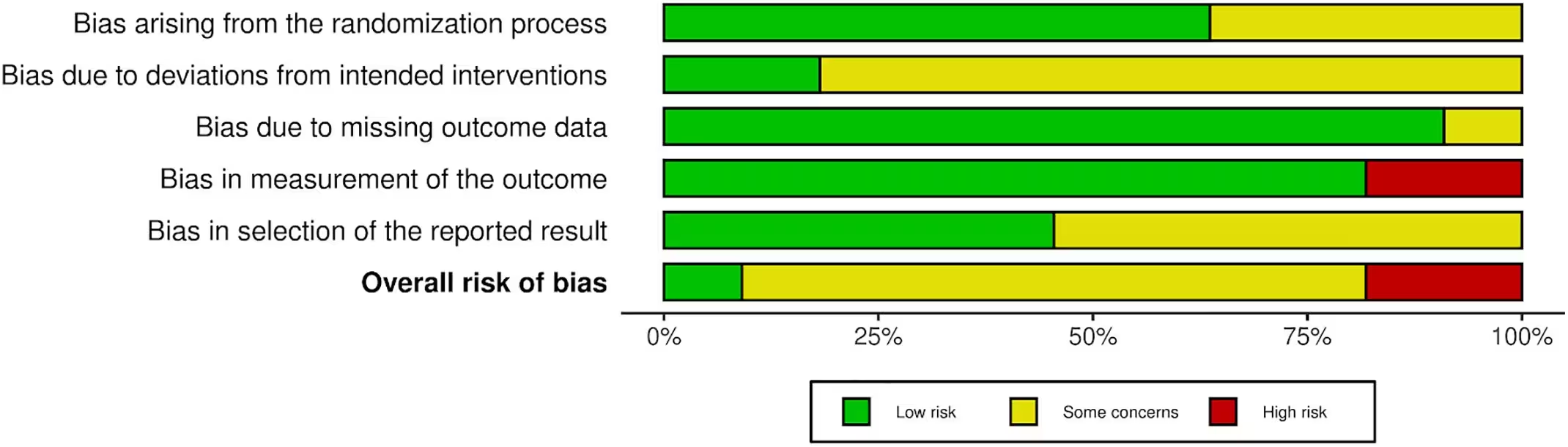
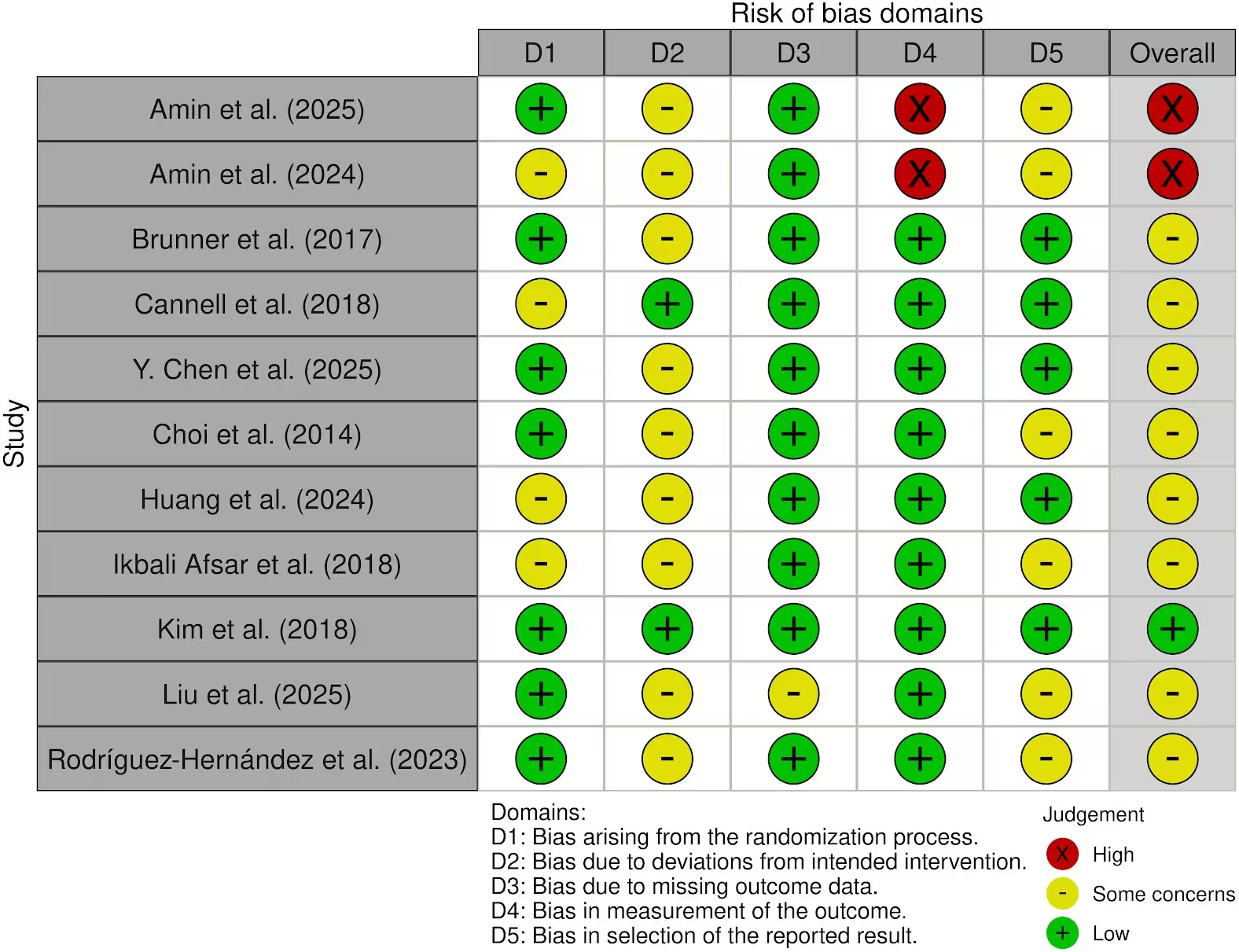
Furthermore, the certainty of the evidence was rated as low for arm function and functional independence, and very low for manual dexterity, using the GRADE framework for evaluating scientific confidence. Risk of bias in several of the original trials contributed to these lowered certainty ratings.
What Are the Safety Concerns of Digital Therapy?
Virtual reality rehabilitation is generally considered safe, with no serious intervention-related adverse events reported across the analyzed clinical trials. However, the authors cautioned that systematic monitoring of side effects was inconsistent.
nOnly one trial actively assessed symptoms of cybersickness, which includes motion sickness, dizziness, nausea, eye strain, and disorientation caused by virtual environments. Because immersive headsets can trigger these symptoms even during seated exercises, future clinical trials must monitor patient comfort and safety more rigorously.
The authors concluded that while virtual reality tools serve as a valuable adjunct to conventional physical therapy during subacute stroke recovery, they should be viewed as supportive technology rather than a standalone cure or replacement for standard rehabilitation practices.
The research was published in PLOS One on November 23, 2026.
This article has been fact checked for accuracy, with information verified against reputable sources. Learn more about us and our editorial process.
Last reviewed on .
Article history
- Latest version
Reference(s)
- Pérez-Cárcamo, Joaquín., et al. “Effects of virtual reality-based rehabilitation on upper-limb motor function and functional independence after subacute stroke: A systematic review and multilevel meta-analysis of randomized controlled trials.” PLOS One, vol. 21, no. 11, November 23, 2026, pp. e0363463 Public Library of Science (PLoS), doi: 10.1371/journal.pone.0363463. <https://doi.org/10.1371/journal.pone.0363463>.
Cite this page:
- Posted by Joseph Jackson