Surgery Pathways Linked to Delirium Risk in Elderly Hip Fracture Patients
A retrospective study of 693 older adults reveals that arthroplasty care paths correlate with lower rates of post-surgical confusion than internal fixation.
Elderly patients undergoing hip surgery face a substantial risk of developing postoperative delirium, a serious state of acute confusion that can significantly complicate recovery. A new retrospective investigation published in PLOS One examined how distinct standardized clinical pathways tied to different fracture types influence this neurological complication. The findings indicate that patients managed under an arthroplasty clinical pathway experience a noticeably lower rate of postoperative confusion compared to those treated with internal fixation.
How Patient Pathways Differ Across Fracture Types
Hip fractures in older adults are typically divided into two main categories based on their anatomical location, which dictates the surgical approach. Extracapsular fractures occur outside the joint capsule and are routinely treated with internal fixation using intramedullary nails, where metal rods are placed inside the bone. In contrast, intracapsular fractures occur inside the joint capsule and are managed through arthroplasty, involving either partial or total hip replacement. These procedures are embedded within standardized clinical pathways that dictate everything from pre-operative optimization to post-surgical rehabilitation protocols.
The research team led by investigators at the Sixth People’s Hospital of Huizhou sought to understand how these comprehensive care paths correlate with delirium risk. Past studies often looked at individual surgical techniques in isolation, yielding contradictory results due to confounding factors like patient age and baseline health. By evaluating the entire clinical pathway, the authors aimed to capture a more realistic picture of patient vulnerability during recovery.
What the Retrospective Data Revealed About Confusion Rates
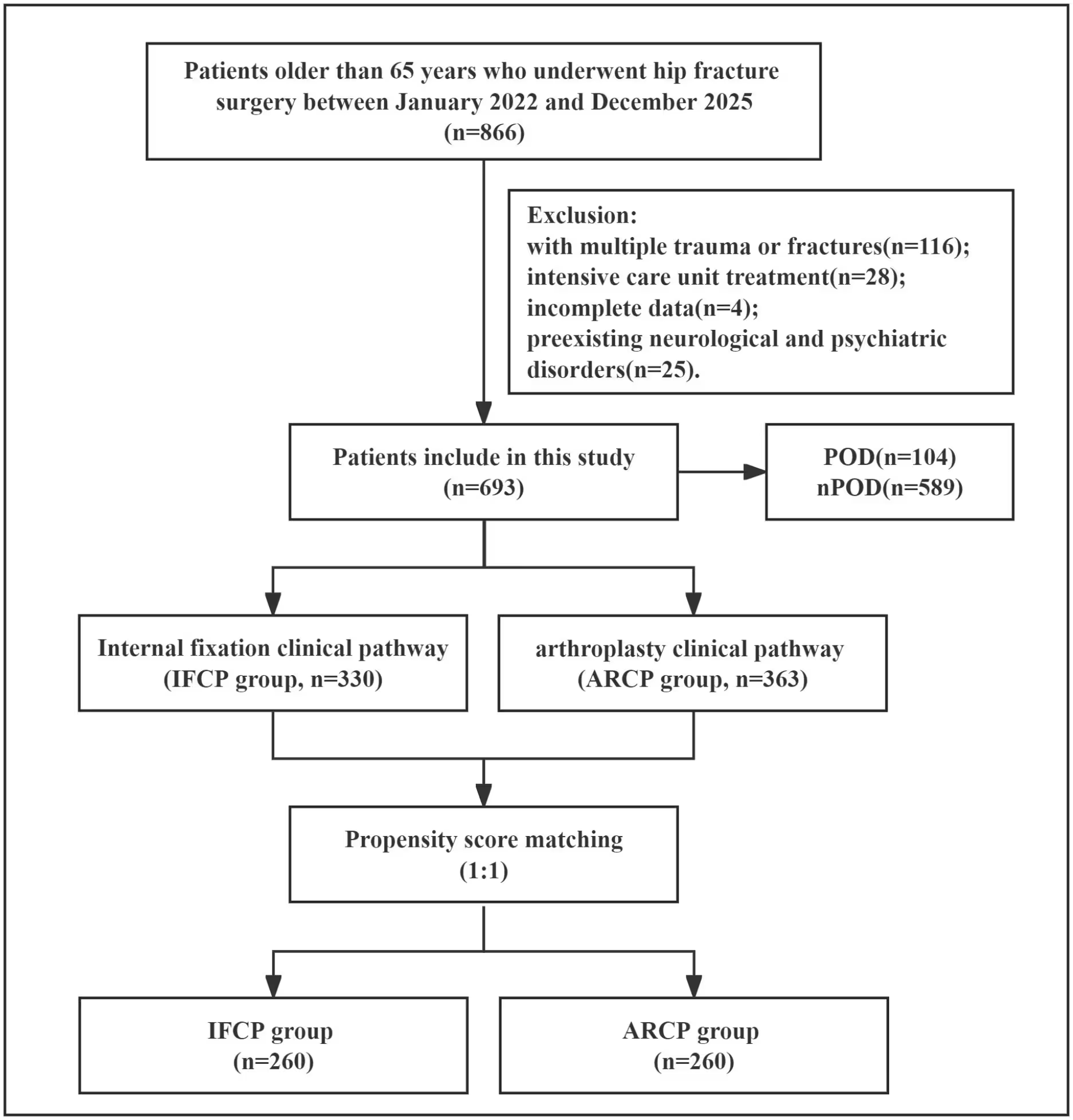
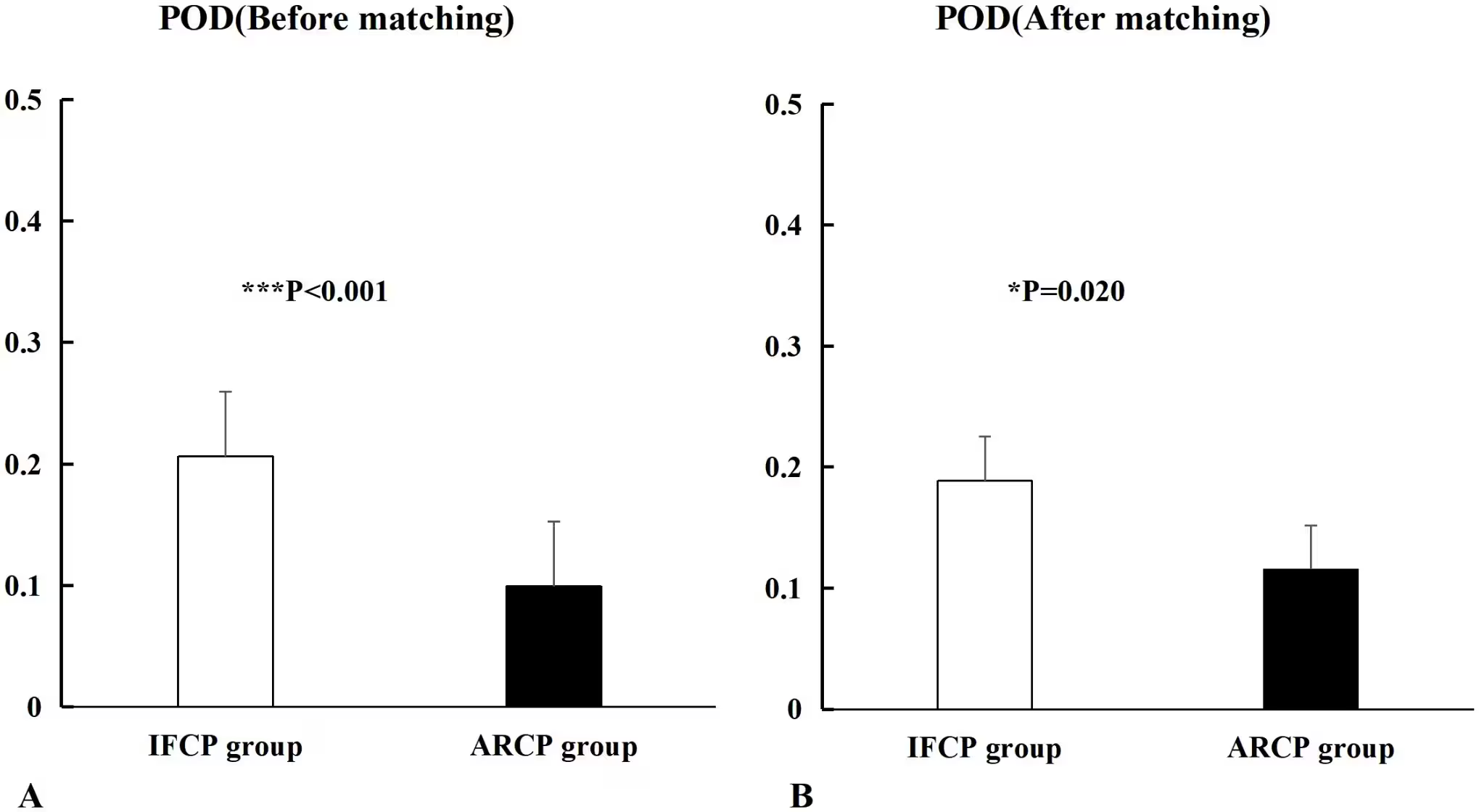
The study analyzed medical records for 693 patients aged 65 and older who underwent hip fracture surgery between January 2022 and December 2025. Among the entire cohort, the overall incidence of postoperative delirium reached 15.01 percent. When separated by treatment path, the internal fixation group showed a crude delirium incidence of 20.61 percent, while the arthroplasty group exhibited a significantly lower rate of 9.92 percent.
To account for baseline differences between the groups, such as age and pre-existing medical conditions, the researchers applied a statistical technique called propensity score matching. After matching 260 patients in each group, the disparity persisted. The internal fixation pathway maintained a higher delirium incidence of 18.85 percent compared to 11.54 percent for the arthroplasty pathway. Multivariate regression modeling confirmed that the choice of clinical pathway remained an independent factor associated with delirium risk after adjusting for confounders.
Why Certain Patients Face Higher Vulnerability
Beyond the surgical pathway, the analysis identified several independent risk factors strongly associated with postoperative delirium. Advanced age emerged as a notable contributor, with each additional year increasing the likelihood of confusion as physiological and neurological reserves decline. Pre-existing dementia stood out as the most powerful risk factor, raising the odds of delirium by roughly eightfold to elevenfold depending on the statistical model used.
Cerebrovascular disease and renal insufficiency also doubled or tripled the risk of cognitive complications after surgery. Furthermore, exploratory subgroup analyses pointed to a potential interaction between kidney function and the treatment pathway, suggesting that patients with impaired renal health might benefit more markedly from arthroplasty pathways in terms of neurological outcomes.
Understanding the Limitations of the Real-World Data
The authors emphasized that because this was a retrospective cohort study relying on electronic medical records, some cases of hypoactive delirium, characterized by lethargy and withdrawal, may have gone undetected. Additionally, key perioperative variables such as exact pain scores, total opioid consumption, detailed sleep disturbances, and the use of specific nerve blocks were not uniformly recorded. These unmeasured factors could introduce residual confounding into the results.
Furthermore, the investigation was conducted at a single medical center with fixed institutional protocols, which may limit how broadly these conclusions apply to other hospitals. The authors noted that all subgroup findings should be interpreted as exploratory and hypothesis-generating, underscoring the need for future prospective randomized controlled trials to isolate the exact mechanisms linking different surgical pathways to cognitive health.
The research was published in PLOS One on November 20, 2026.
This article has been fact checked for accuracy, with information verified against reputable sources. Learn more about us and our editorial process.
Last reviewed on .
Article history
- Latest version
Cite this page:
- Posted by Joseph Jackson