Heavy Caffeine Use Disrupts Sleep Hygiene But Fails to Boost Student Grades
A study of university students reveals that while high stimulant intake wrecks sleep schedules, consistent sleep timing matters far more for academic performance.

When university students reach for a heavy dose of coffee or energy drinks to power through late-night study sessions, it feels like an obvious way to boost academic success. However, a new investigation reveals a surprising disconnect between stimulant habits and grades, showing that while heavy caffeine intake messes significantly with sleep hygiene, it does not actually track with a higher grade point average (GPA).
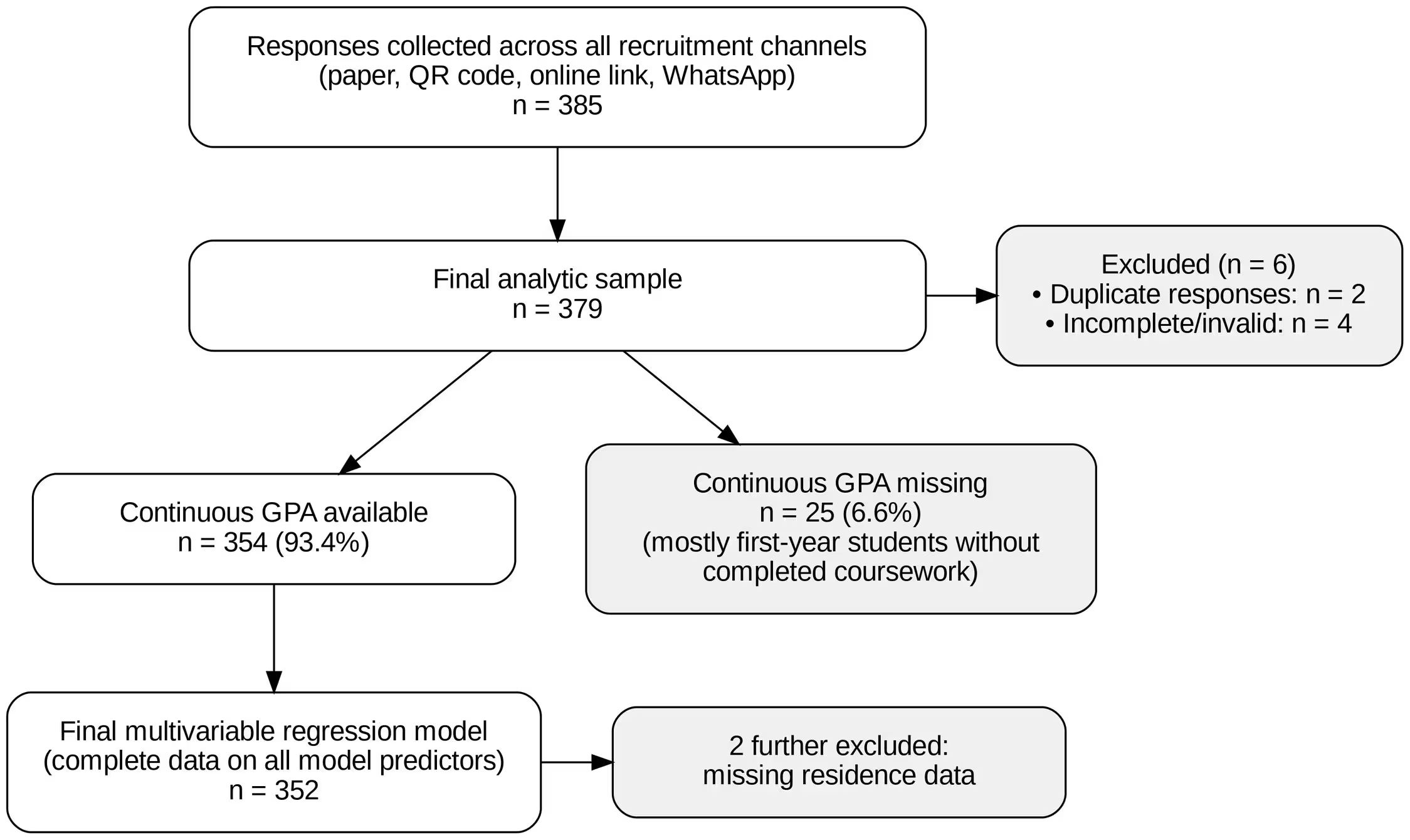
The study, published in PLOS One, surveyed 379 university students in Palestine to untangle how daily caffeine consumption, sleep routines, and academic performance interact. Researchers Razi Alshaikh and colleagues found that participants consumed an average of 253.5 milligrams of caffeine per day, with more than 42 percent admitting to having their last caffeinated drink within three hours of bedtime.
How Caffeine Affects Sleep Habits
The human body processes caffeine by blocking adenosine receptors in the central nervous system, which temporarily wards off tiredness and boosts alertness. But this chemical block comes at a cost to the body clock. In the survey, higher caffeine intake correlated with poorer scores on the Sleep Hygiene Index, a standard measure of sleep-related behaviors and environmental habits.
Students who reported very high caffeine consumption, meaning 400 milligrams or more per day, displayed the worst overall sleep hygiene. Drinking coffee, tea, or energy drinks close to bedtime延迟s sleep onset and shortens total rest, disrupting the deep sleep cycles required for memory consolidation and learning.
The Surprising Link Between Sleep Consistency and Grades
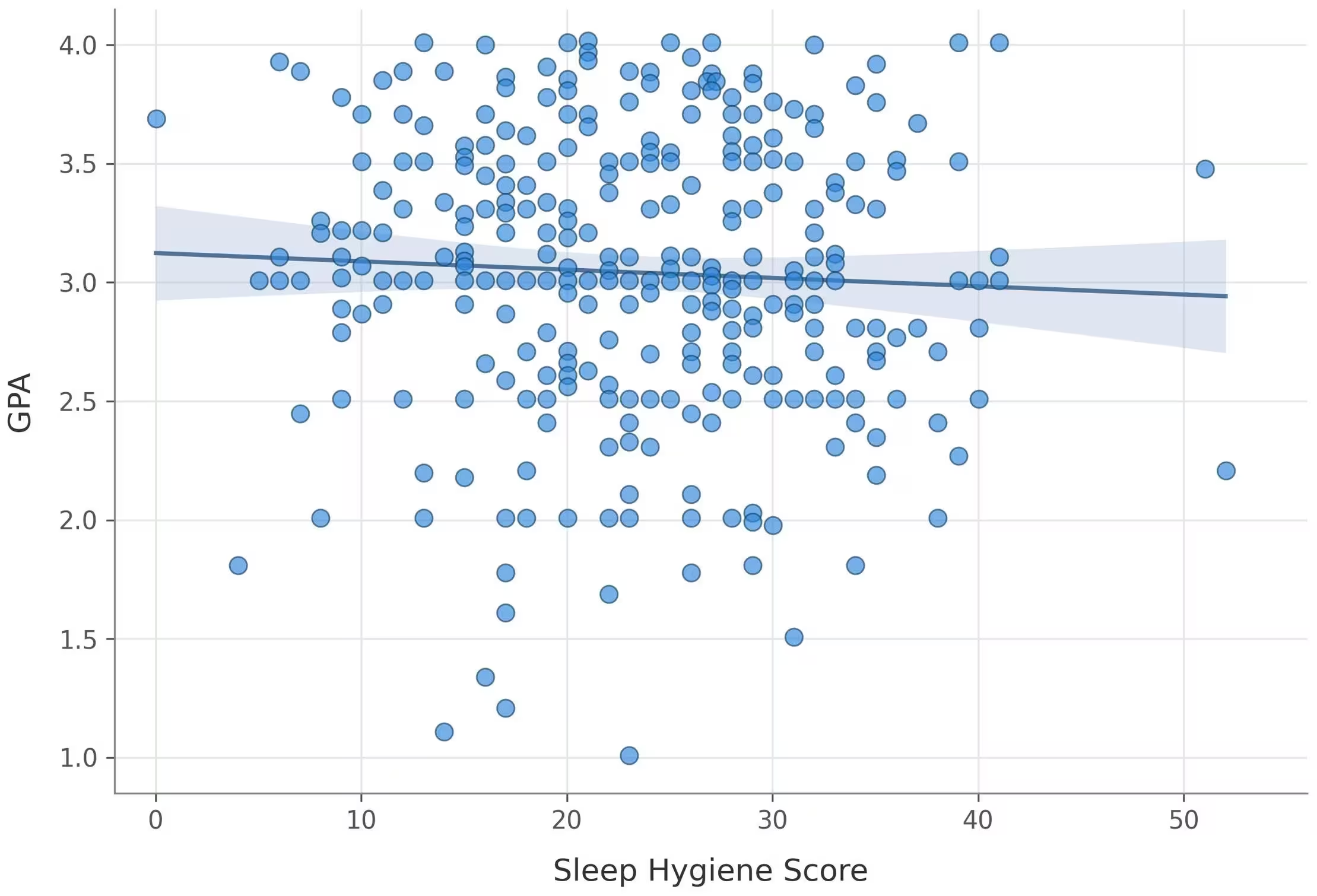
Despite the clear link between heavy caffeine use and poor sleep habits, neither daily caffeine intake nor overall sleep hygiene scores showed a statistically significant relationship with GPA in the adjusted regression models. Instead, the data pointed to the surprising importance of schedule consistency over total hours spent in bed or under the influence of stimulants.
Students who maintained very regular sleep schedules earned significantly higher GPAs compared to those reporting irregular sleep every day. Furthermore, daily study hours mattered greatly, with students studying more than four hours a day achieving better grades than those studying less than two hours.
What Are the Limitations of the Study
Because the work relied on a cross-sectional design, researchers cannot establish direct cause and effect. It remains possible that students with lower grades drink more caffeine out of stress, or that academic pressures naturally force irregular schedules. Additionally, caffeine intake was estimated using standard beverage averages rather than direct measurements, and the sample was drawn via convenience sampling primarily from a single university.
The authors note that future research should track students longitudinally across a full semester using beverage diaries and objective tracking tools. For now, the findings suggest that students looking to improve their academic performance might benefit more from a consistent sleep schedule than from another cup of coffee.
The research was published in PLOS One on November 20, 2026.
This article has been fact checked for accuracy, with information verified against reputable sources. Learn more about us and our editorial process.
Last reviewed on .
Article history
- Latest version
Cite this page:
- Posted by Joseph Jackson