Thirty Years of Bone Metastase Survival Models Face Accuracy Reality Check
A comprehensive review of 25 prediction models reveals critical limitations in external validation and clinical transportability.
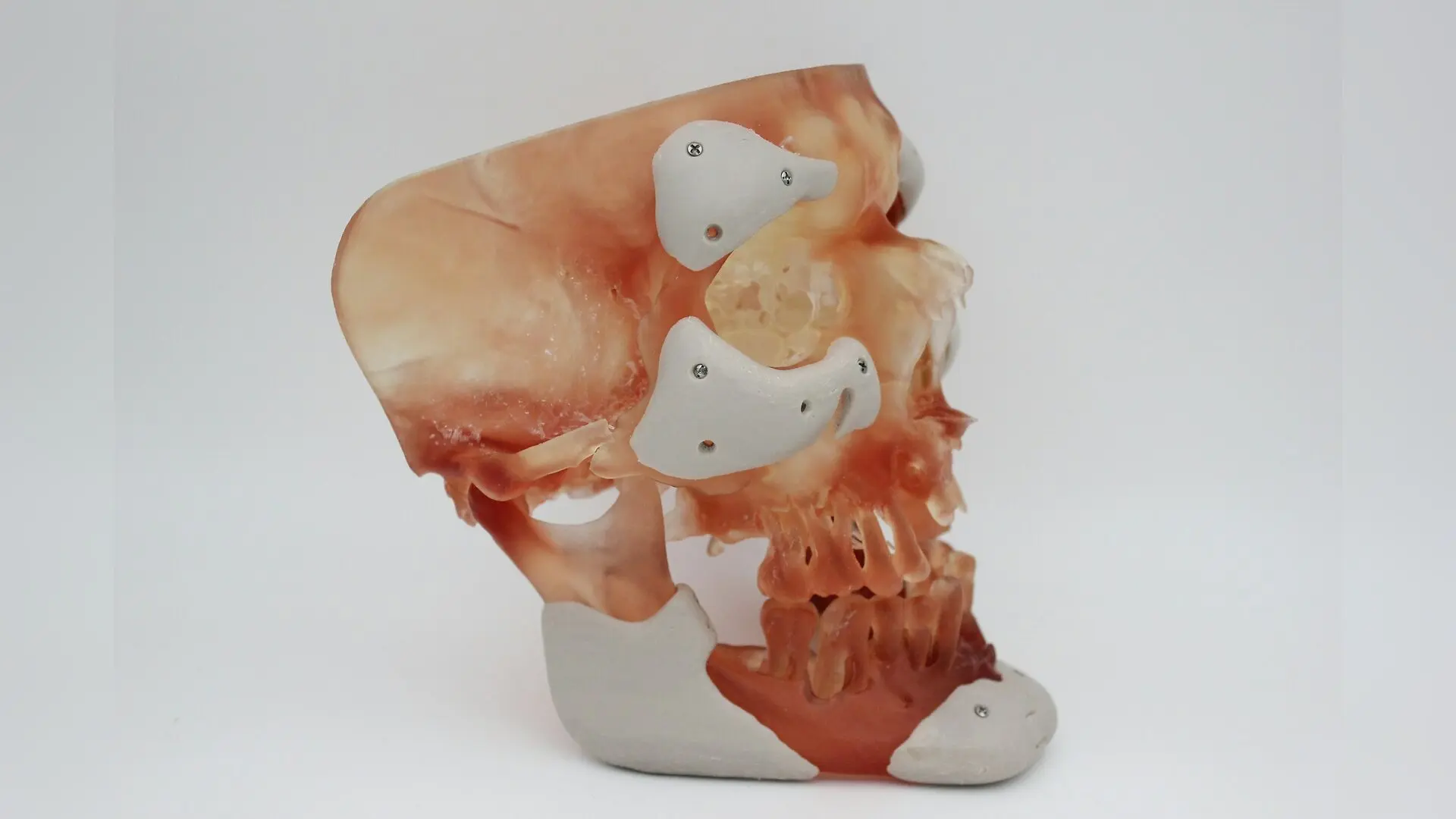
Advanced cancer patients facing painful bone metastases now have access to a new comprehensive evaluation that exposes major gaps in how doctors predict patient survival times. Researchers analyzed 25 distinct prediction tools used across orthopaedic surgery and oncology, discovering that popular scoring systems and advanced artificial intelligence models frequently fail when applied outside their original study groups.
How Thirty Years of Predictive Tools Changed Cancer Care
Bone is the third most common site for cancer to spread after the lungs and liver, affecting hundreds of thousands of patients each year with severe pain and fractures. Choosing the right treatment depends heavily on accurate life expectancy estimates, where patients expected to live under three months receive conservative palliative care, while those with longer survival prospects may undergo complex stabilization surgery. To improve upon traditional guesswork, medical science spent thirty years developing predictive aids ranging from simple bedside scoring rules to sophisticated machine learning algorithms. The study examined these developments, published in Orthopaedic surgery, highlighting the evolution from static checklists to dynamic computer models.
The Hidden Flaws in Popular Survival Scores
Earlier classical scoring systems like the Tokuhashi and Tomita scores relied on simple categorical rules that assumed straightforward relationships between patient factors and survival. However, these legacy systems frequently suffer from high risks of statistical bias and lack modern calibration updates. Modern nomograms and machine learning algorithms such as the Skeletal Oncology Research Group machine learning algorithm attempt to process complex variables, including blood markers and molecular subtypes. Yet external validation studies reveal that these advanced models often overestimate survival when applied to independent patient groups or different medical centers.
Why Models Fail Across Different Hospital Settings
Transportability failures typically occur due to mismatched anatomical sites, treatment setting biases, and temporal drift. A model built for spinal tumors often performs poorly when applied to arm or leg bone metastases. Furthermore, models derived from surgical candidates systematically misjudge survival when applied to patients receiving only radiation therapy because of underlying differences in physical fitness. Finally, rapidly improving modern systemic therapies mean older models systematically underestimate how long patients can live today.
What Happens Next for Multidisciplinary Clinical Teams
Experts emphasize that the field suffers less from a shortage of algorithms than from a lack of prospective trials proving these tools actually improve real-world patient outcomes. Future efforts must prioritize context-specific models, regular calibration updates, and seamless integration into daily clinical workflows to ensure patients receive neither overly aggressive surgeries nor neglected palliative care.
The research was published in Orthopaedic surgery on November 17, 2026.
This article has been fact checked for accuracy, with information verified against reputable sources. Learn more about us and our editorial process.
Last reviewed on .
Article history
- Latest version
Reference(s)
- Lin, Tingyu., et al. “Survival Prediction Models for Metastatic Bone Disease: A Comprehensive Review of Development, External Validation, and Clinical Applicability.” Orthopaedic Surgery, November 17, 2026 Wiley, doi: 10.1111/os.70463. <https://doi.org/10.1111/os.70463>.
Cite this page:
- Posted by Sana Malik