Clinic Workouts Beat Home Exercise for Blood Pressure in Kidney Disease
A direct comparison of 246 patients undergoing hemodialysis reveals modest blood pressure and mobility gains from supervised facility sessions.

Adults undergoing regular hemodialysis who exercised in supervised clinic settings experienced modest improvements in diastolic blood pressure and physical mobility compared to those working out at home. Researchers evaluated data from six randomized controlled trials involving 246 participants to determine whether working out in a specialized facility yields better health results than exercising independently.
Chronic kidney disease affects millions of people globally, impairing organ function and damaging the cardiovascular system as it advances toward end-stage renal disease. While doctors routinely prescribe physical activity to manage risk factors and boost physical fitness, finding the most effective and practical workout environment has remained an open question. Previous research often lumped together different types of control groups or failed to compare independent home workouts directly against supervised facility programs. To resolve this ambiguity, investigators searched major medical databases including PubMed, Embase, and the Cochrane Central Register of Controlled Trials for relevant studies lasting at least 16 weeks, with findings published in the Sao Paulo Medical Journal.
How Clinic Programs Stack Up Against Living Room Workouts
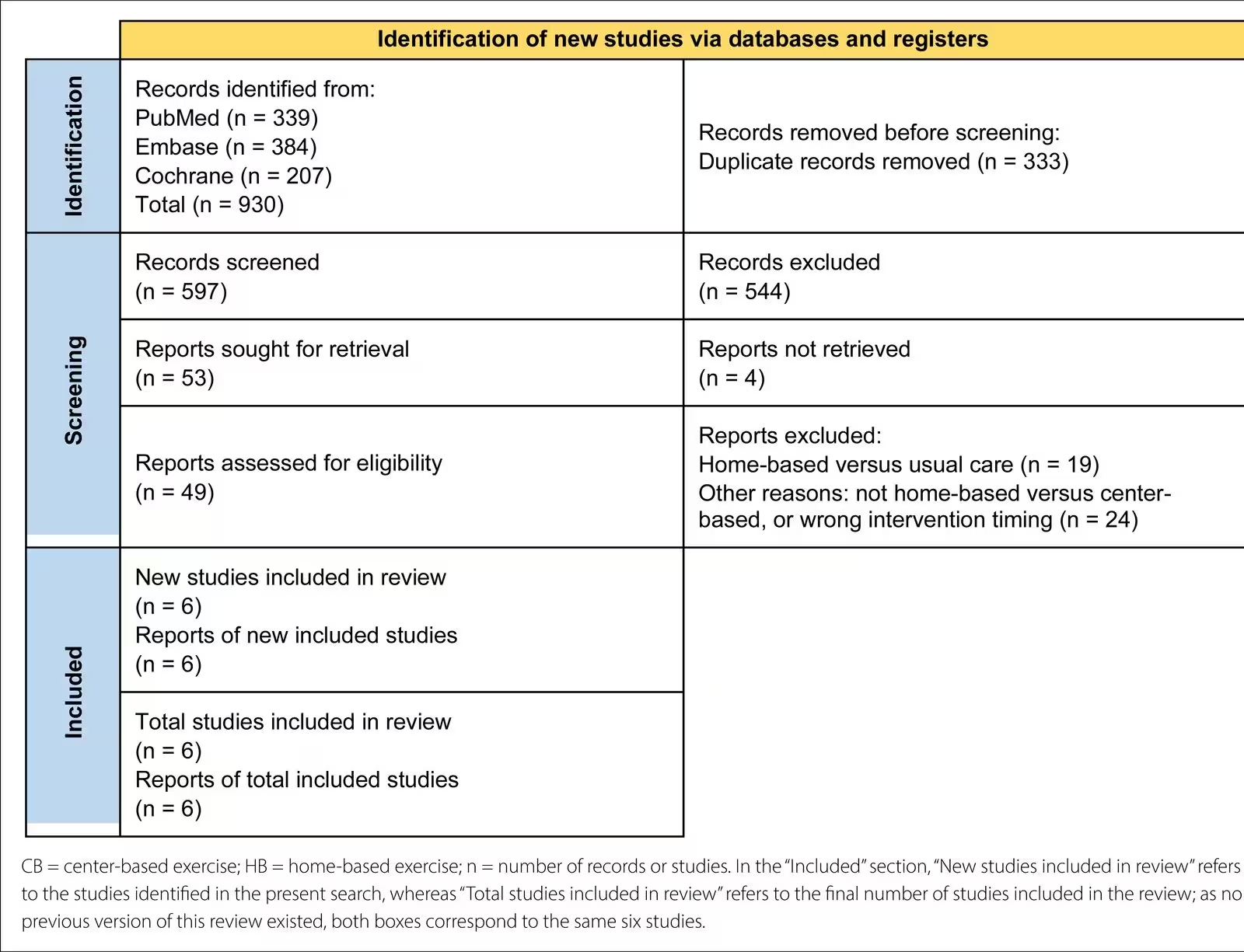
The systematic review and meta-analysis pooled data from six trials encompassing 121 participants in home-based programs and 125 individuals in center-based programs. Although the initial literature search yielded 930 records, strict eligibility criteria narrowed the final selection to high-quality randomized controlled trials. All included studies focused exclusively on patients receiving hemodialysis, with exercise regimens typically running three times per week over periods ranging from 16 to 24 weeks.
Statistical pooling revealed that individuals in center-based programs achieved a significant reduction in diastolic blood pressure, dropping by a mean difference of 4.58 millimeters of mercury compared to the home-based group. However, no statistically significant differences emerged between the two settings regarding systolic blood pressure or serum creatinine levels. The analysis also showed that facility-based participants performed better on specific physical performance evaluations, completing the Timed Up and Go test nearly one second faster and walking an average of 37.53 meters farther during a standard Six-Minute Walk Test.
Weighing the Clinical Trade-Offs and Safety Concerns
While supervised workouts yielded superior results in specific mobility and diastolic blood pressure measures, experts urge caution before declaring facility programs universally superior. The overall certainty of evidence ranged from low to very low across several outcomes due to small sample sizes and potential study biases. Furthermore, maintaining extremely low diastolic blood pressure can sometimes introduce health risks for vulnerable patients, meaning clinicians must personalize exercise prescriptions carefully.
Quality of life measures and mental functioning scores showed no significant divergence between home workouts and clinic sessions, indicating that both approaches successfully support psychological well-being. Home-based exercise remains a highly accessible and cost-conscious alternative for patients who lack reliable transportation or live far from specialized medical facilities. Ultimately, hybrid strategies that combine supervised facility sessions during dialysis treatments with independent activity on off days may offer the ideal balance for long-term patient adherence and clinical benefit.
The research was published in Sao Paulo medical journal = Revista paulista de medicina on November 13, 2026.
This article has been fact checked for accuracy, with information verified against reputable sources. Learn more about us and our editorial process.
Last reviewed on .
Article history
- Latest version
Reference(s)
- Varandas, Ana Clara Monte., et al. “Home-based versus center-based exercise in patients with chronic kidney disease: a systematic review and meta-analysis.” Sao Paulo Medical Journal, vol. 144, no. 5, January 1, 2026 FapUNIFESP (SciELO), doi: 10.1590/1516-3180.2026.3607.17082026. <https://doi.org/10.1590/1516-3180.2026.3607.17082026>.
Cite this page:
- Posted by Hassan Raza