How Smart Algorithms Built a Digital Twin to Protect Tomato Seedlings
Researchers combined high-speed camera tests with artificial intelligence algorithms to calibrate computer simulations of fragile tomato root plugs.
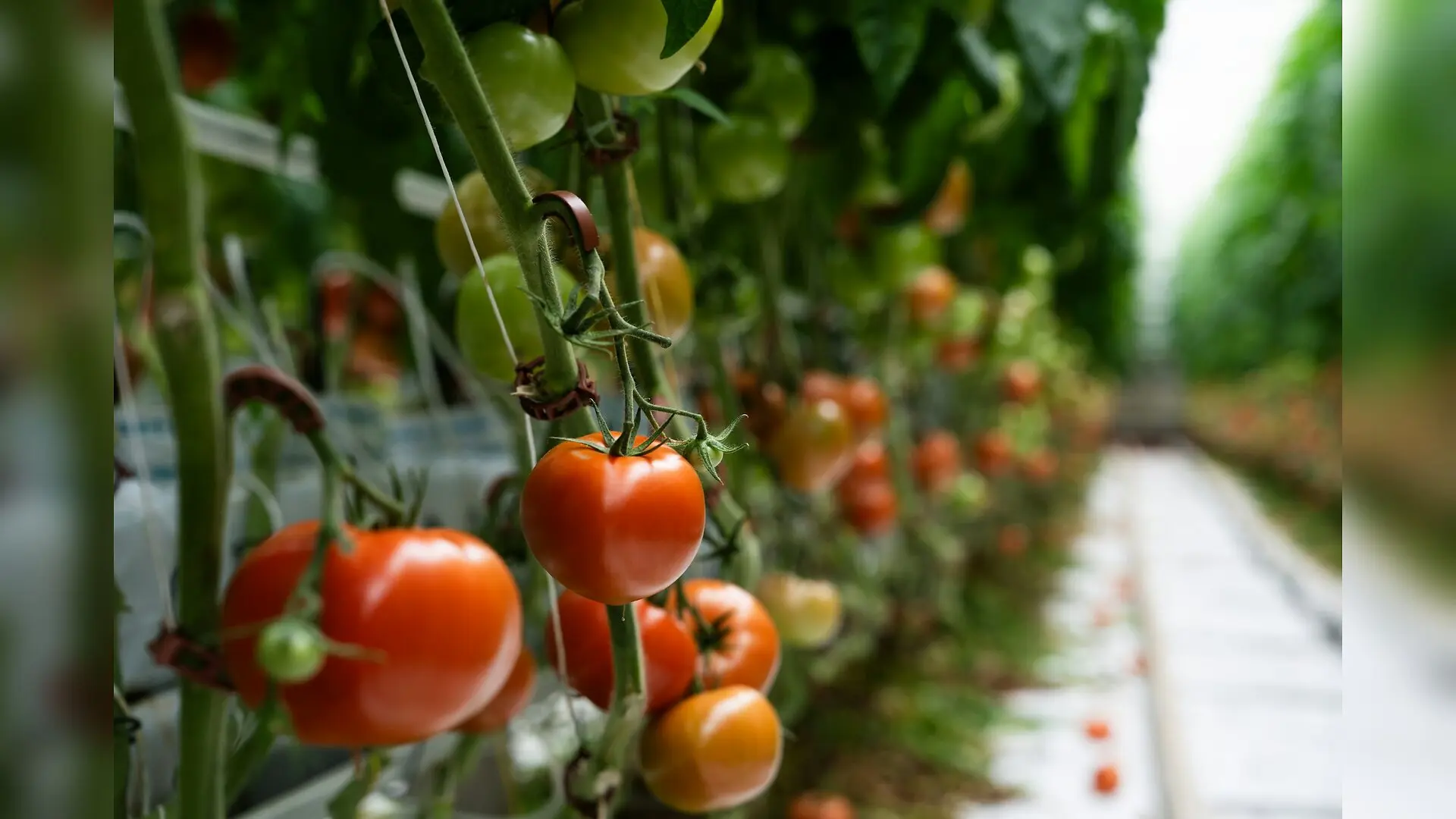
Protecting delicate tomato seedlings from the brutal impacts of automated transplanters requires an accurate digital twin of the root plug, which researchers have now built and calibrated using advanced algorithms. Mechanized crop transplanting helps farmers boost food production and lower labor costs, but the feeding and conveying stages often subject young plants to severe collisions and crushing forces that can ruin their chances of survival. To design gentler machinery, engineers increasingly rely on computer simulations that track how every individual particle in a seedling pot interacts with metal components. However, setting up these software models requires knowing dozens of physical and contact properties that are notoriously difficult to measure in living biological material.
To solve this hidden puzzle of agricultural engineering, a research team turned to physical testing combined with computational optimization, as detailed in a study published in PLOS One. The authors focused on standard 30-day-old tomato seedlings grown in a 16-by-8 plug tray using a peat, vermiculite, and perlite substrate mixture with 30 to 40 percent water content. Because the soil matrix and fine root system intertwine into a cohesive unit, the team treated the seedling pot as a single unified block for both physical experiments and computer modeling.
How Physical Testing Reveals the Hidden Strength of Root Plugs
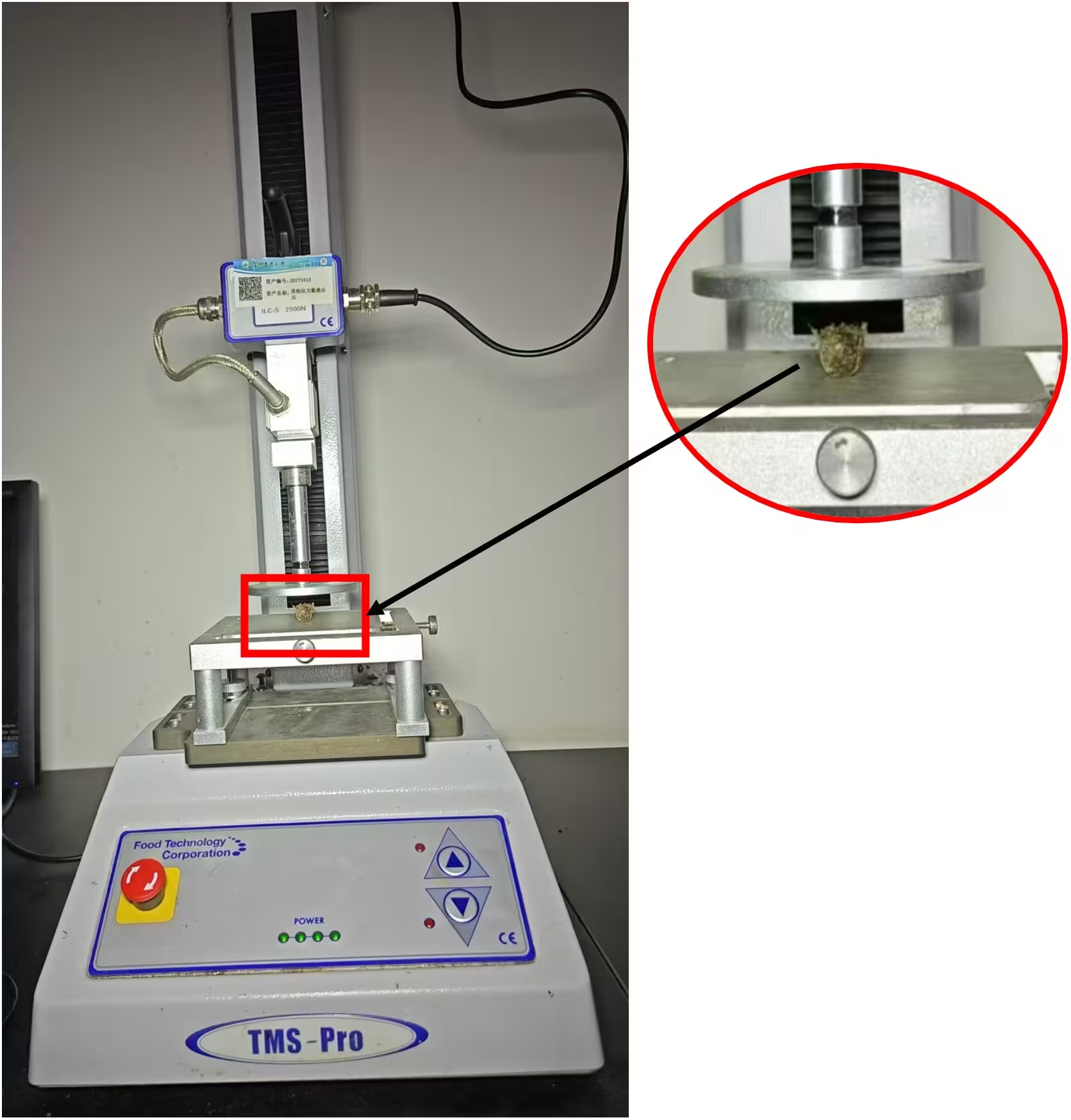
The researchers began by measuring the fundamental physical properties of the tomato seedling pots in the laboratory. Using a high-precision electronic balance, they found an average density of 321 kilograms per cubic meter across twenty randomly selected samples. Compression tests performed with a texture analyzer revealed how the root-soil composite resists deformation, yielding essential baseline values for elasticity and internal structural bonding.
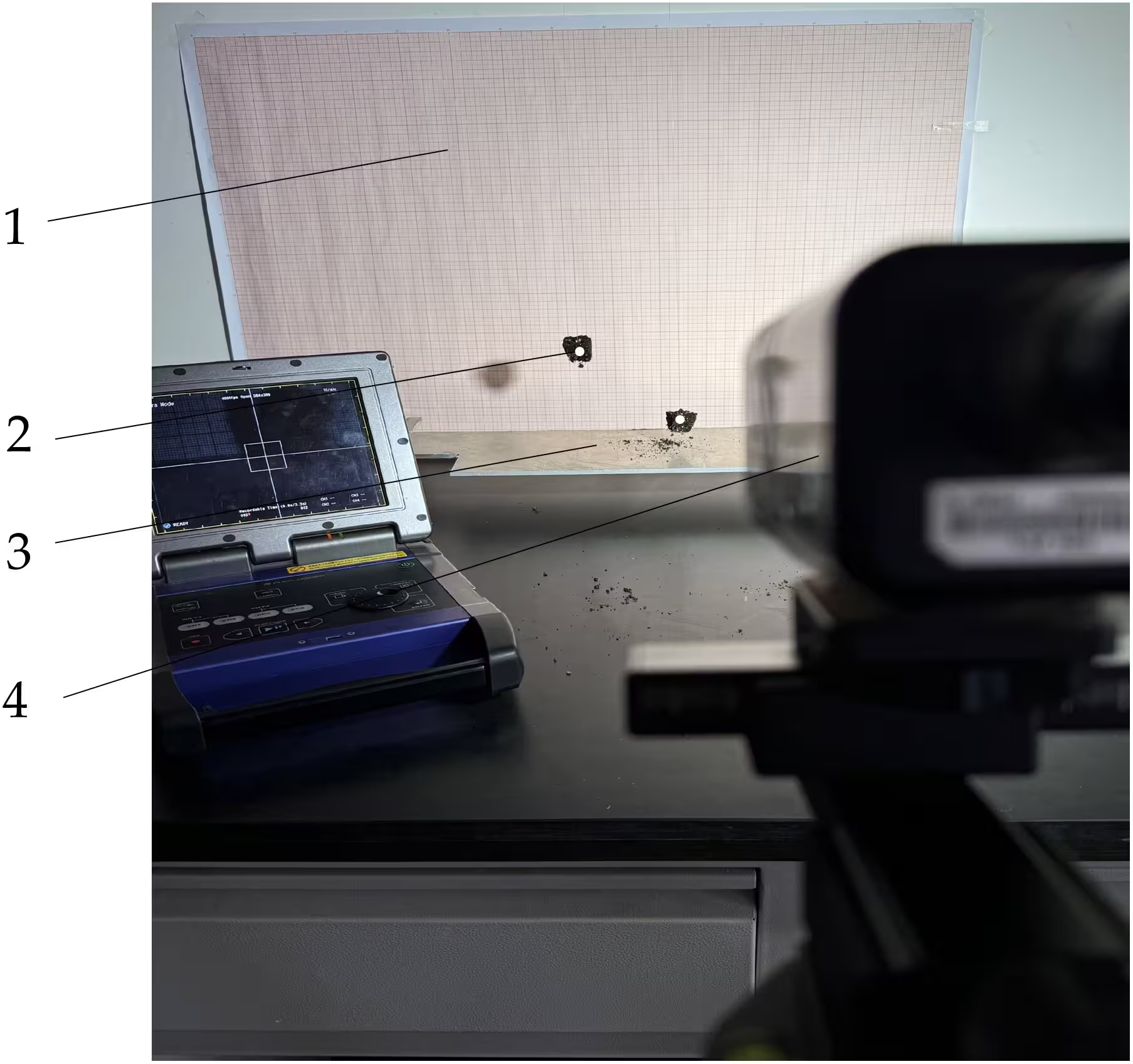
Next, the team measured how seedling pots bounce and slide against one another and against steel machinery parts. High-speed cameras recorded free-fall impact tests and pendulum swings to calculate collision recovery coefficients, which ranged from 0.12 to 0.18 for pot-to-steel contacts and 0.21 to 0.43 for pot-to-pot interactions. An inclinometer device then measured static friction coefficients, finding values between 0.64 and 0.82 for pot-steel interfaces and 0.71 to 0.93 between adjacent pots.
Why Standard Software Tends to Miss the Mark on Complex Biological Materials
With these laboratory numbers in hand, the team built a discrete element method simulation in EDEM software, representing each seedling pot as a collection of 1,766 small particles bound together by 8,338 microscopic bonding points. To test the model, they performed physical puncture and shear tests using specialized metal indenters, recording a maximum puncture force of 6.4 newtons and a maximum shear force of 11.3 newtons. Tuning the computer model to match these exact forces proved challenging because changing one parameter often throws off another.
The investigators used a statistical screening method known as a Plackett-Burman design to identify which variables truly mattered out of the dozens available. They discovered that shear strength, inter-pot static friction, and ultimate bond stress exerted the most powerful influence over the simulated puncture and shear forces. A central composite design then mapped out the mathematical relationships between these key factors, creating regression equations to predict how the virtual pot would behave under stress.
How Artificial Intelligence Fine-Tunes the Digital Seedling Twin
When the team tried standard single-objective software optimization, the program heavily prioritized the puncture force while missing the mark on the shear force, resulting in simulated errors exceeding ten percent. To overcome this limitation, the authors deployed a multi-objective artificial intelligence approach called the NSGA-II algorithm, which searches for a balanced set of compromise solutions rather than forcing everything into a single score.
Running through fifty generational iterations in modeFRONTIER software, the algorithm successfully mapped a Pareto front of optimal parameter combinations. The final calibrated simulation parameters settled at a shear strength of 1.476 megapascals, an inter-pot static friction coefficient of 0.716, and an ultimate stress limit of 0.124 megapascals. When plugged back into the EDEM simulation, these optimized settings produced puncture and shear forces of 6.8 newtons and 12.1 newtons, representing small relative errors of 6.25 percent and 7.08 percent compared to physical tests.
The authors note that while this calibration framework provides a reliable digital twin for tomato seedlings, the resulting parameters remain specific to the tested moisture content and particle sizes, meaning future work will be needed to adapt the method to other crop varieties and broader environmental variations.
The research was published in PLOS One on November 20, 2026.
This article has been fact checked for accuracy, with information verified against reputable sources. Learn more about us and our editorial process.
Last reviewed on .
Article history
- Latest version
Cite this page:
- Posted by Rabia Shah