Human Rights Analysis Demands Total Phase-Out of Fossil Fuels
New research shows how dismantling fossil fuel dependence through human rights law can protect planetary health and stop systemic corporate extractivism.
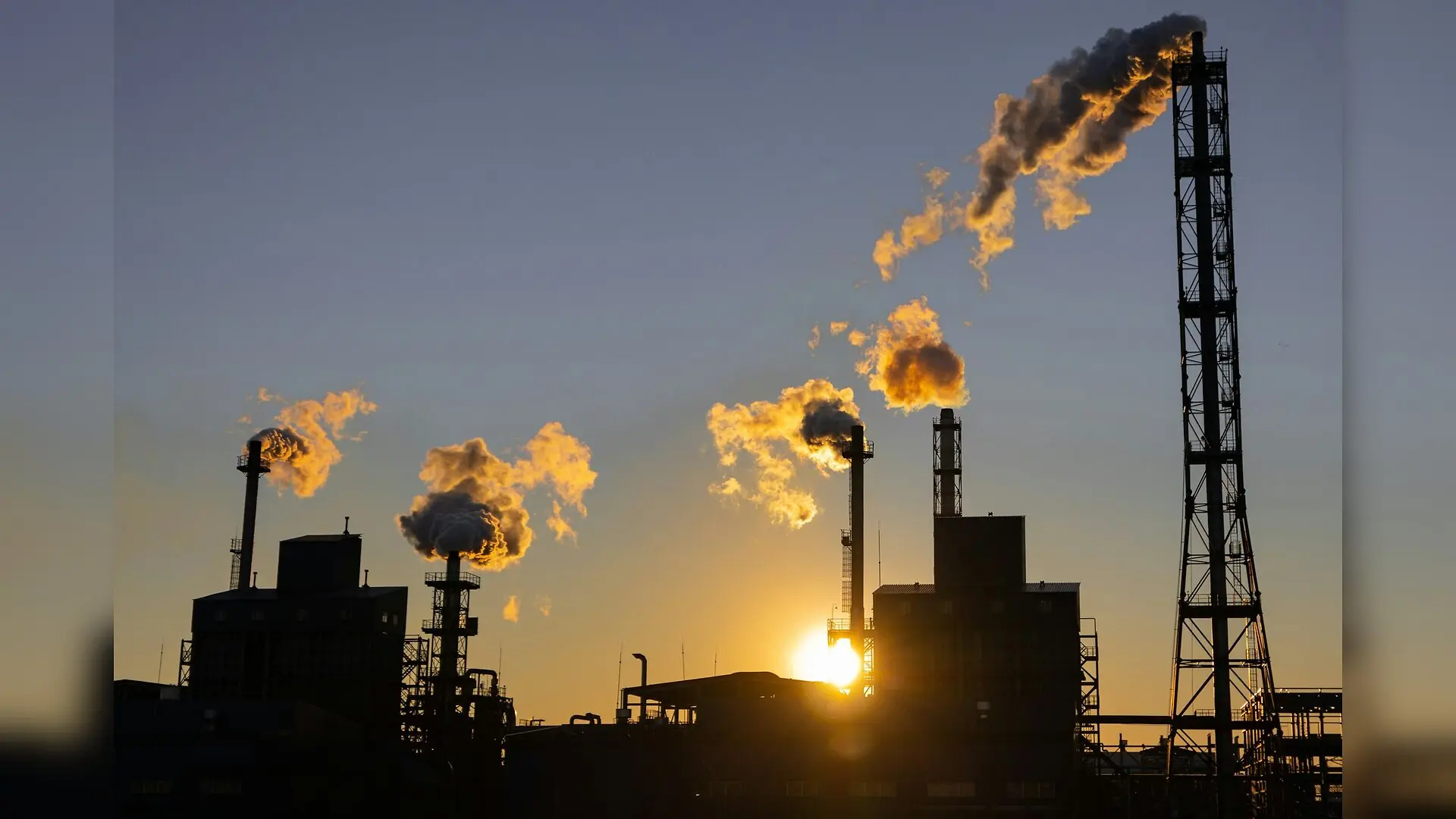
Fossil fuel extraction and its sprawling industrial networks drive planetary crises that extend far beyond carbon emissions, according to a comprehensive legal and scientific assessment. Elisa Morgera explores these systemic dangers in a chapter published in Transforming Economies, demonstrating how international human rights law demands a complete phase-out of coal, oil, and gas to protect human health and ecological stability.
How Does Human Rights Law Expose Hidden Fossil Fuel Harms?
Traditional economic models often treat fossil fuels purely as energy sources while ignoring their pervasive life-cycle impacts. By integrating climate science, biodiversity research, and public health data through a human rights lens, the analysis reveals that exploration, refining, and petrochemical production inflict systemic damage regardless of emissions reductions. Hazardous by-products cause severe noise, light, and toxic pollution that compromise water availability and destroy ecosystems.
Medical evidence cited in the work highlights that air pollution from fossil fuels affects every person on Earth. Vulnerable communities residing near industrial sites, often described as sacrifice zones, face disproportionate rates of respiratory illness, cardiac conditions, and cancers. The author points out that this reliance on sacrifice is an inherent feature of fossil-fuel-dependent economic systems that routinely prioritize corporate profits over human well-being.
What Role Do Plastics and Subsidies Play in Perpetuating the Crisis?
The fossil fuel economy extends deeply into everyday life through the massive production of plastics and petrochemicals. Primary plastic manufacturing currently devours substantial global oil and gas supplies, locking petrochemical dependence into corporate supply chains. Plastic pollution not only degrades marine and terrestrial environments but also accumulates as microplastics within human bodies, compounding health risks across generations.
Financial mechanisms further entrench these destructive pathways. Governments globally continue to pour trillions of dollars into fossil fuel subsidies and production supports. Meanwhile, financial secrecy and tax havens siphon away billions of dollars in potential public revenue that could otherwise fund climate adaptation, renewable energy development, and social protection programs.
Why Is the Rush for Energy Transition Minerals Triggering New Alarms?
Efforts to move toward renewable energy systems have sparked an unprecedented rush for transition minerals such as copper and lithium. However, the author cautions that mining operations frequently replicate colonial and neo-colonial extractivist practices. Over half of these mineral reserves lie within Indigenous territories, where local populations often face land expropriation, environmental degradation, and a lack of free, prior, and informed consent.
Furthermore, demand projections for these minerals frequently fail to account for recycling advances or alternative technologies. Some industrial applications for these minerals support sectors that remain entangled with fossil fuel infrastructure rather than climate mitigation. International trade agreements and investor-state dispute settlements also shield fossil fuel corporations from policy changes, allowing companies to sue governments for enacting climate protections.
What Pathways Exist for True Economic De-Fossilization?
To overcome these overlapping crises, the chapter advocates for the complete de-fossilization of entire economies rather than narrow sectoral decarbonization. This transition requires centering economic policies on intergenerational equity, ecological restoration, and the human right to a healthy environment. States must eliminate fossil fuel subsidies, enforce strict environmental due diligence, and provide meaningful financial remedies for past damage.
Empowering marginalized groups, including Indigenous Peoples, peasants, and women, is essential for designing equitable economic alternatives. By prioritizing community-led renewable projects, decentralized energy systems, and inclusive public participation, societies can move away from destructive extractivism toward a framework grounded in care, community well-being, and ecological balance.
The research was published in Transforming Economies on January 1, 2027.
This article has been fact checked for accuracy, with information verified against reputable sources. Learn more about us and our editorial process.
Last reviewed on .
Article history
- Latest version
Reference(s)
- Morgera, Elisa. “The Role of Human Rights in Transforming Economies.” Transforming Economies, October 31, 2026, pp. 287-305. Springer Nature Switzerland, doi: 10.1007/978-3-032-33944-7_15. <https://doi.org/10.1007/978-3-032-33944-7_15>.
Cite this page:
- Posted by Divya Iyer