New Multifuel Fuel Cell System Targets Net Zero Shipping
Researchers design a flexible marine power system that switches between ammonia, methanol, and hydrogen to meet tightening emission rules.
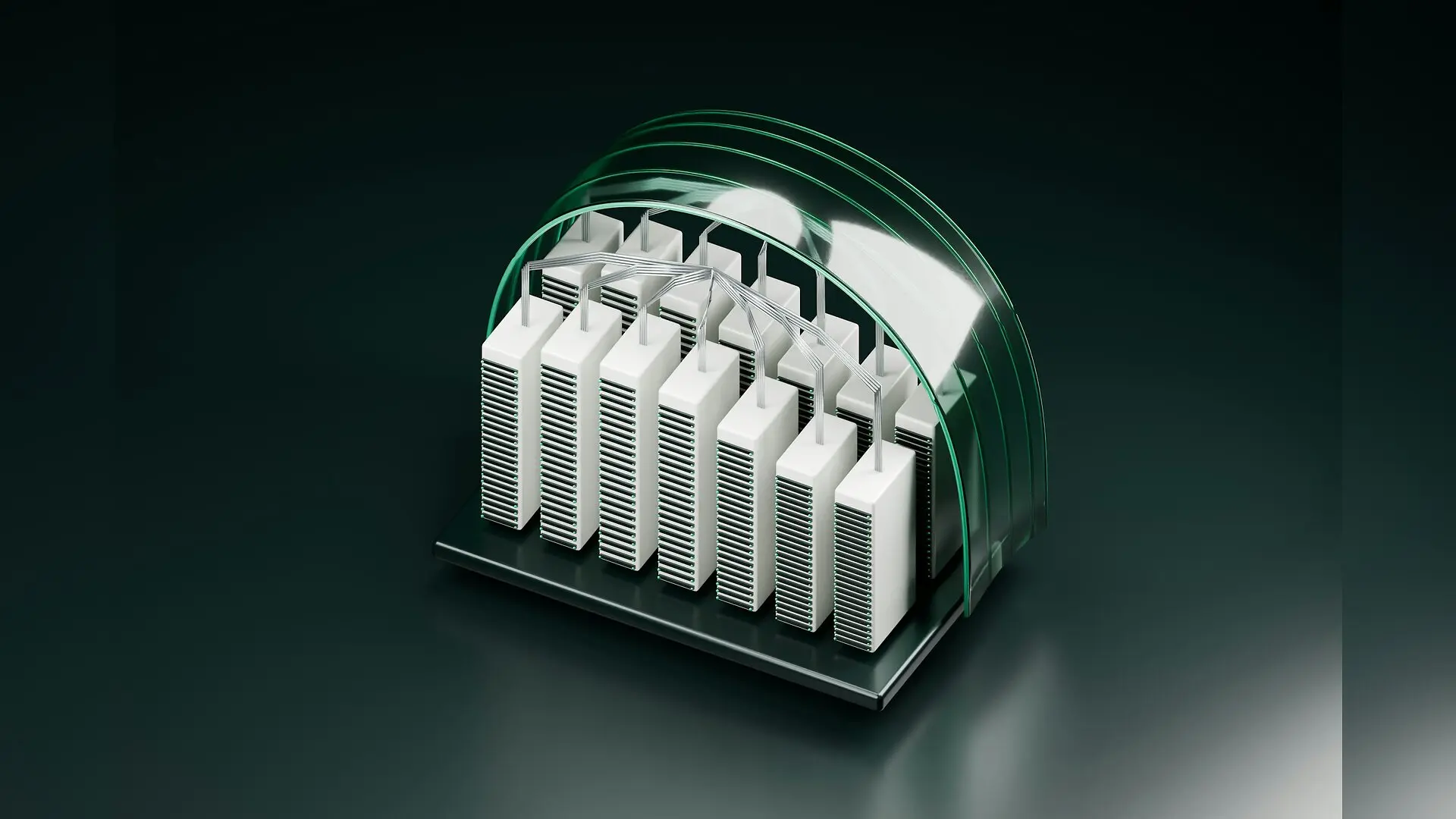
Ocean-going cargo vessels generating roughly 3 percent of global greenhouse gas emissions are turning to experimental fuel technology as regulators demand deep decarbonization. International shipping faces strict climate targets under a revised strategy adopted by the International Maritime Organization in July 2023, alongside European Union regulations that progressively penalize high well-to-wake emissions on ships above 5,000 gross tonnage calling at European ports. To meet these stringent mandates without locking into a single scarce energy source, researchers are developing flexible power systems that can adapt to whatever sustainable fuel is available at the dock.
How Can Solid Oxide Fuel Cells Run On Multiple Marine Fuels?
Solid oxide fuel cells are high-temperature electrochemical devices that convert chemical energy directly into electricity with exceptional efficiency. While standard combustion engines often struggle with varied fuel types, solid oxide systems tolerate carbon monoxide and reformed gases well, making them ideal candidates for marine auxiliary and propulsion roles. The FuelSOME project, published in the Re-Generation in Transport book series, is actively advancing a multifuel architecture capable of operating on ammonia, methanol, and hydrogen (DOI: 10.1007/978-3-032-37207-9_67). By utilizing specialized cracking and reforming units, the system transforms liquid ammonia and methanol into hydrogen-rich gases right on board the vessel.
Ammonia offers a completely carbon-free tank-to-wake operation when synthesized from renewable energy, though its toxicity demands rigorous safety engineering including double-walled piping and continuous leak detection. Methanol is liquid at ambient conditions and benefits from expanding commercial bunkering pilots, but its long-term viability depends on scaling up green carbon capture and renewable hydrogen production. A multifuel system hedges against supply chain volatility by allowing ships to switch between these alternative fuels depending on regional availability and cost.
What Are the Key Technical Targets of the 6 Kilowatt Prototype?
The research consortium has successfully designed and manufactured stack modules tailored for multifuel operation and validated individual components under varied simulated atmospheres. The primary engineering challenge involves managing fuel-specific degradation risks, such as potential material nitriding when exposed to ammonia or carbon deposition during methanol processing. To solve this, the team engineered a harmonized balance-of-plant that integrates anode off-gas recirculation, thermal management, and safety interlocks into a compact layout.
- Targeting an electrical efficiency of 50 percent or higher at the system level.
- Executing at least 500 hours of continuous operation under marine-relevant load profiles.
- Developing standardized fuel quality specifications and port supply-chain backbones.
Early techno-economic and life-cycle sustainability assessments indicate that the system holds strong potential to outperform conventional marine propulsion in terms of greenhouse gas reductions. Researchers found no major socio-environmental or economic roadblocks during early evaluations, though ongoing work is required to quantify long-term degradation rates. Following the current laboratory validation phase, future steps will focus on scaling these modular designs toward 500 to 1,000 kilowatt units suitable for hybrid power architectures on large ocean-going vessels.
The research was published in Re-Generation in Transport on January 1, 2027.
This article has been fact checked for accuracy, with information verified against reputable sources. Learn more about us and our editorial process.
Last reviewed on .
Article history
- Latest version
Reference(s)
- Lackner, Johannes., et al. “Powering Ships, Cutting Carbon: The FuelSOME Approach to Multifuel SOFCs.” Lecture Notes in Mobility, October 31, 2026, pp. 560-567. Springer Nature Switzerland, doi: 10.1007/978-3-032-37207-9_67. <https://doi.org/10.1007/978-3-032-37207-9_67>.
Cite this page:
- Posted by Kamran Akhtar