Hidden Wild Lime Genomes Reveal Secret Hybrid Past and Disease Resistance
Chromosome-scale sequencing of Australian finger limes uncovers a complex mosaic of wild ancestry and powerful new tools to fight citrus greening disease.
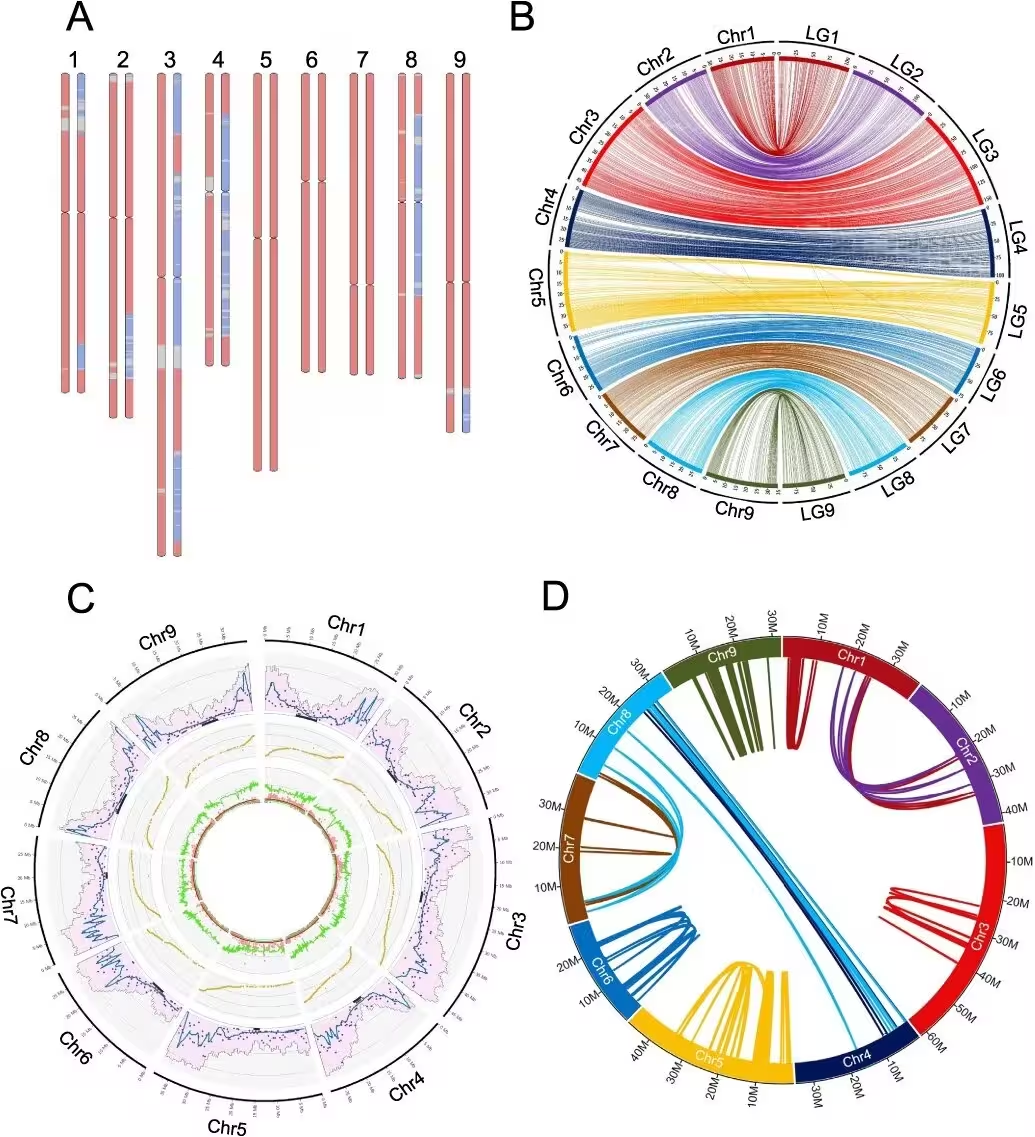
Australian finger limes hiding in international collections harbor a complex hybrid past that could hold the key to saving global commercial citrus from devastating greening disease. An international team of scientists has mapped the complete, chromosome-scale genome of an Australian finger lime accession designated as SRA 1002, revealing a tangled genetic mosaic of distinct wild species that have adapted to harsh environments across Oceania.
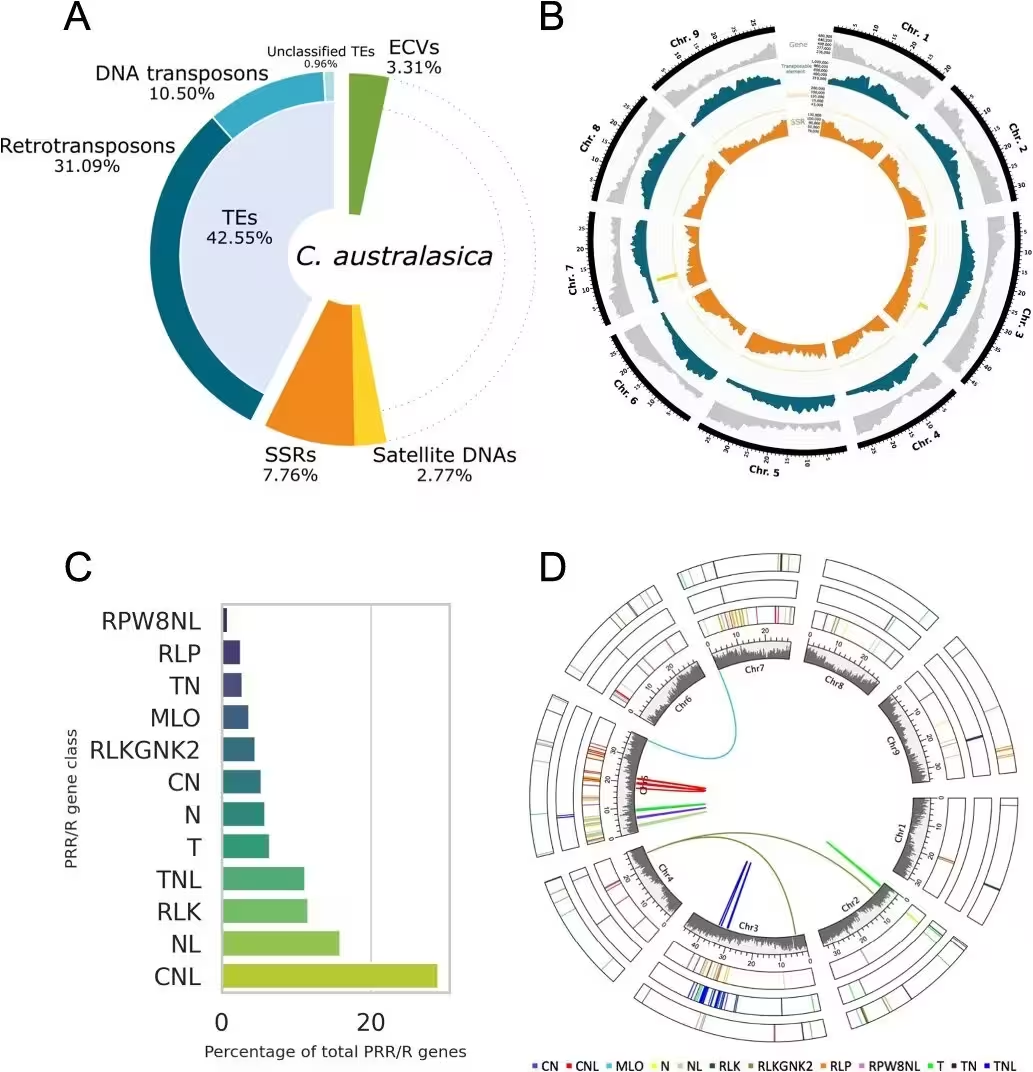
Published in Horticulture Research, the comprehensive study combines long-read sequencing technologies, optical mapping, and high-density genetic maps to construct nine clean pseudomolecules covering over 97 percent of the finger lime genome. By coupling this new reference assembly with whole-genome resequencing data from 132 different citrus varieties, the researchers uncovered a massive reservoir of hidden genetic diversity and established powerful new tools for future breeding programs.
Unraveling a Wild Backcross Heritage
The Australian finger lime, scientifically known as Citrus australasica, has long fascinated horticulturists due to its unique pearl-like pulp vesicles, remarkable flavor profiles, and natural resilience against Huanglongbing. Also known as citrus greening disease, this bacterial infection has decimated up to 80 percent of commercial citrus orchards in regions like Florida by clogging the plant’s nutrient transport vessels and causing rapid tree decline.
When the research team analyzed the genetic makeup of the finger lime accession SRA 1002, which has lived for years under high disease pressure in Guadeloupe without showing symptoms, they discovered it was not a pure wild specimen. Instead, the genetic architecture revealed a backcross hybrid combining segments of Citrus australasica and the Doon Doon wild lime or Citrus australis. This natural mosaic structure explains why certain cultivated accession lines possess exceptional resilience against pathogens that plague modern farms.
Mapping Millions of Single Letter Variations
To understand how Oceanian wild limes relate to one another and to traditional Asian citrus crops, the authors expanded their investigation to 132 total accessions. This massive dataset yielded over 40 million single nucleotide polymorphisms, which are precise single-letter variations in the genetic code, alongside millions of small insertions and deletions. From this vast catalog, the team filtered out 1,322,933 high-confidence markers to construct a robust nuclear evolutionary tree.
The resulting phylogenetic tree cleanly separated Asian citrus lineages from Oceanian citrus lineages with 100 percent statistical support. Within Oceania, the data validated several distinct species clusters, including the highly homozygous desert lime or Citrus glauca, which occupies an isolated branch adapted to arid interior climates. The analysis also confirmed that Papua New Guinean species like Citrus wintersii, Citrus warburgiana, and the newly recognized island endemic Citrus wakonai form a cohesive, distinct evolutionary group.
Diagnostic Markers for Future Breeding Programs
Beyond mapping family trees, the team developed a powerful panel of nearly 4.4 million diagnostic single nucleotide polymorphisms that can trace the exact chromosomal ancestry of any citrus sample. These specialized markers successfully identified hidden interspecific hybrids within global germplasm collections in France, Spain, and Brazil, proving that accidental or natural cross-pollination has occurred frequently among wild Oceanian citrus varieties.
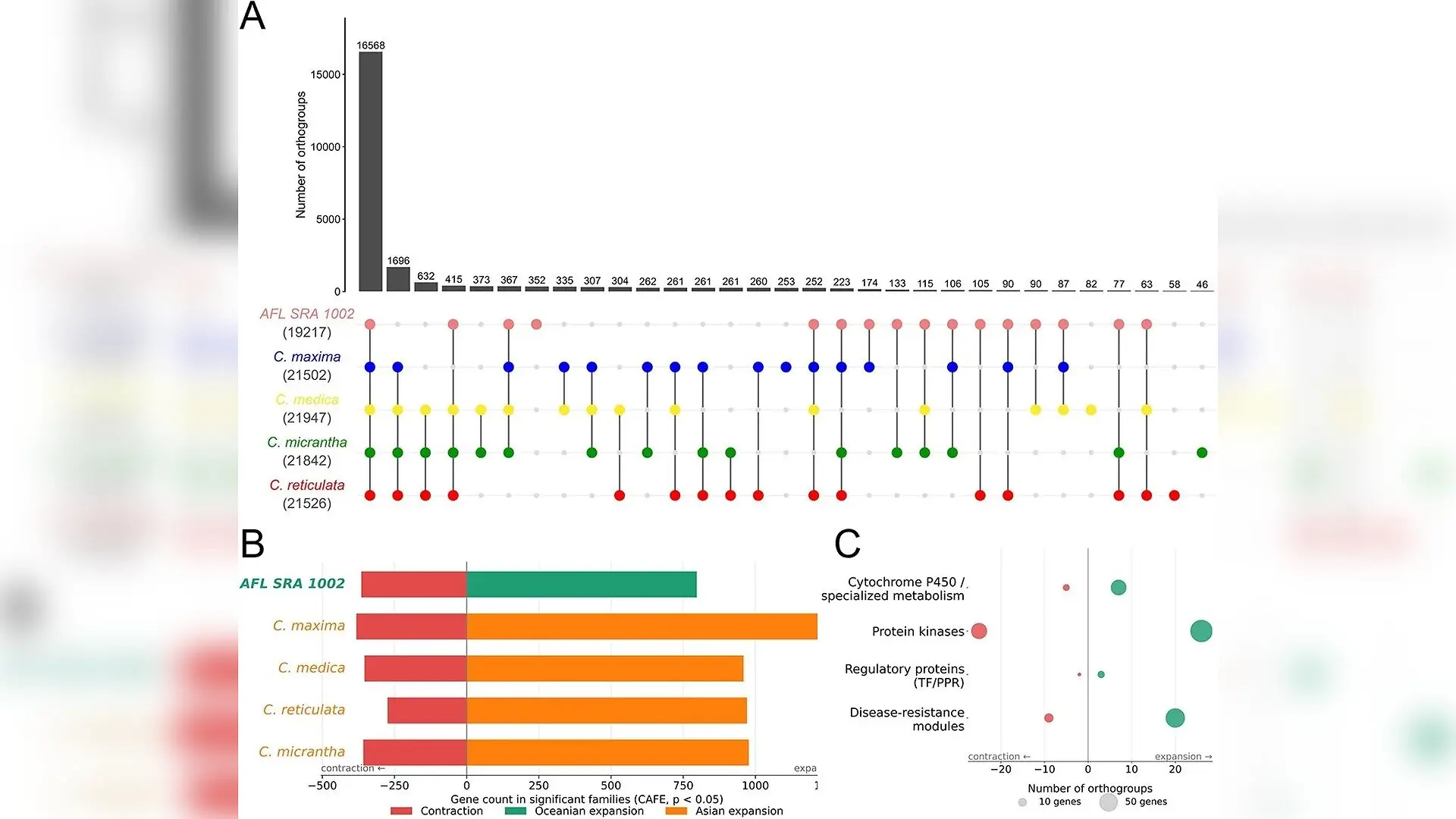
When the researchers modeled how gene families evolved over time, they found that Oceanian citrus species did not undergo uniform expansions. Instead, they displayed selective remodeling, particularly within specialized metabolic pathways governed by cytochrome P450 enzymes and targeted disease-resistance gene clusters. These coordinated shifts allow wild limes to rely on flexible chemical defenses rather than traditional immune receptors alone.
Next Steps for Resilient Fruit Production
The newly published genome assembly and diagnostic toolkit provide breeders with an unprecedented roadmap for introducing wild stress-tolerance traits into commercial crops. By tracing how genetic segments travel through hybrid generations, scientists can now design targeted breeding pipelines to breed disease-resistant rootstocks and climate-resilient fruit varieties capable of sustaining the global agricultural industry against mounting environmental threats.
The research was published in Horticulture research on November 1, 2026.
This article has been fact checked for accuracy, with information verified against reputable sources. Learn more about us and our editorial process.
Last reviewed on .
Article history
- Latest version
Reference(s)
- Hufnagel, Barbara., et al. “Chromosome-scale genome assembly of Australian finger lime and resequencing reveal the hidden diversity of Oceanian citrus.” Horticulture Research, vol. 13, no. 11, June 2, 2026 Oxford University Press (OUP), doi: 10.1093/hr/uhag213. <https://doi.org/10.1093/hr/uhag213>.
Cite this page:
- Posted by Kamran Akhtar