Shrub Leaf Extracts Show Strong Antioxidant and Larvicidal Activity
Leaf extracts from a widespread thorny shrub demonstrate potent antioxidant, anti-inflammatory, and larvicidal effects in laboratory and computer models.
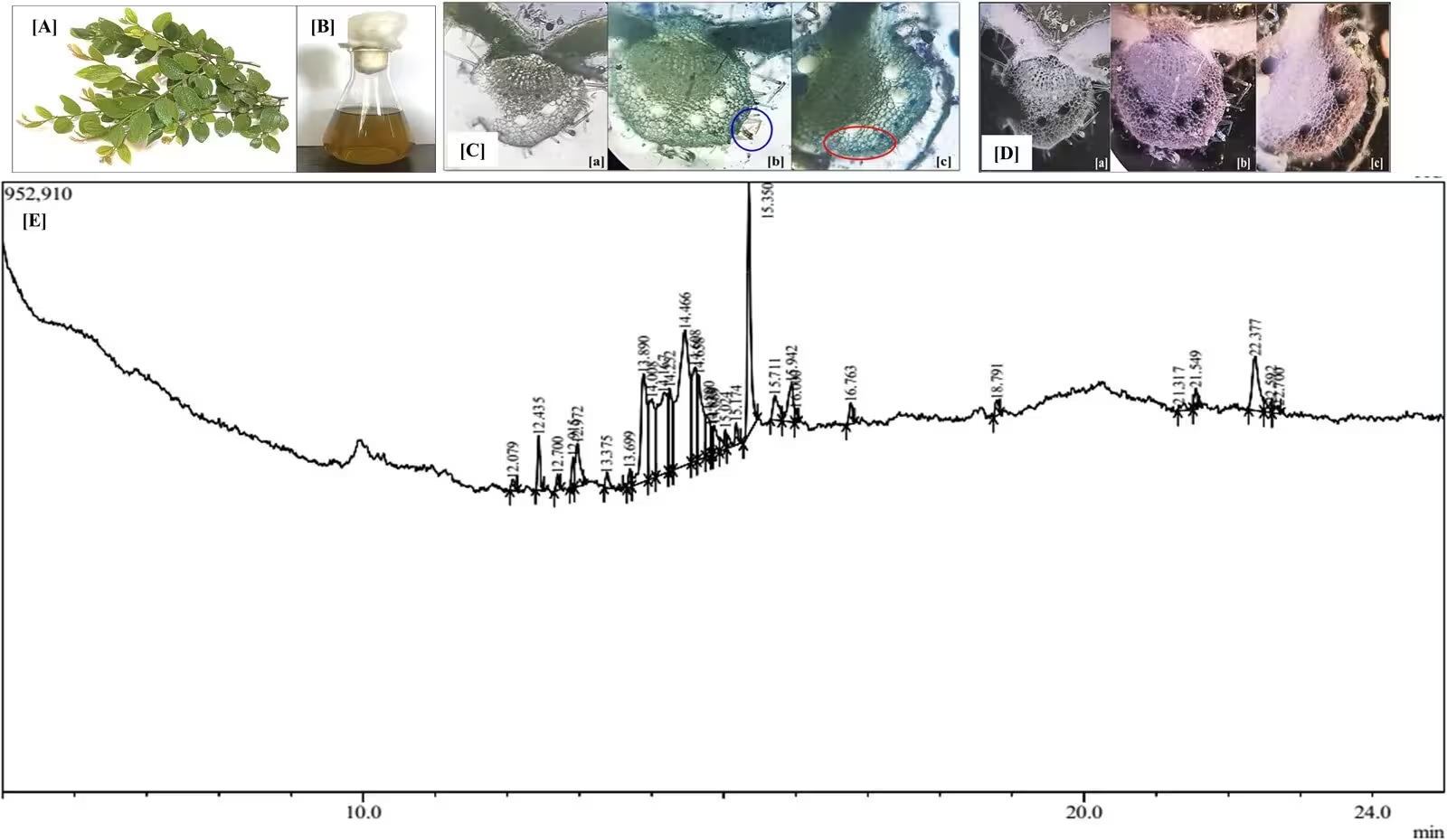
A thorny shrub found across the Indian subcontinent and Southeast Asia produces leaf extracts that show strong antioxidant, anti-inflammatory, and insecticidal properties. Researchers investigating Ziziphus oenopolia found that its concentrated hydroalcoholic leaf extracts can neutralize harmful free radicals, protect against protein degradation, reduce cell viability in yeast models, and kill mosquito larvae.
Chemical Makeup of the Thorny Shrub
To uncover the plant’s medicinal potential, the research team collected leaves from the Thanjavur district in India. They extracted compounds using aqueous, ethanolic, and hydroalcoholic solvents, determining that a 70 percent hydroalcoholic solution yielded the highest concentration of bioactive compounds. Qualitative screening revealed abundant polyphenols, tannins, flavonoids, saponins, and terpenoids.
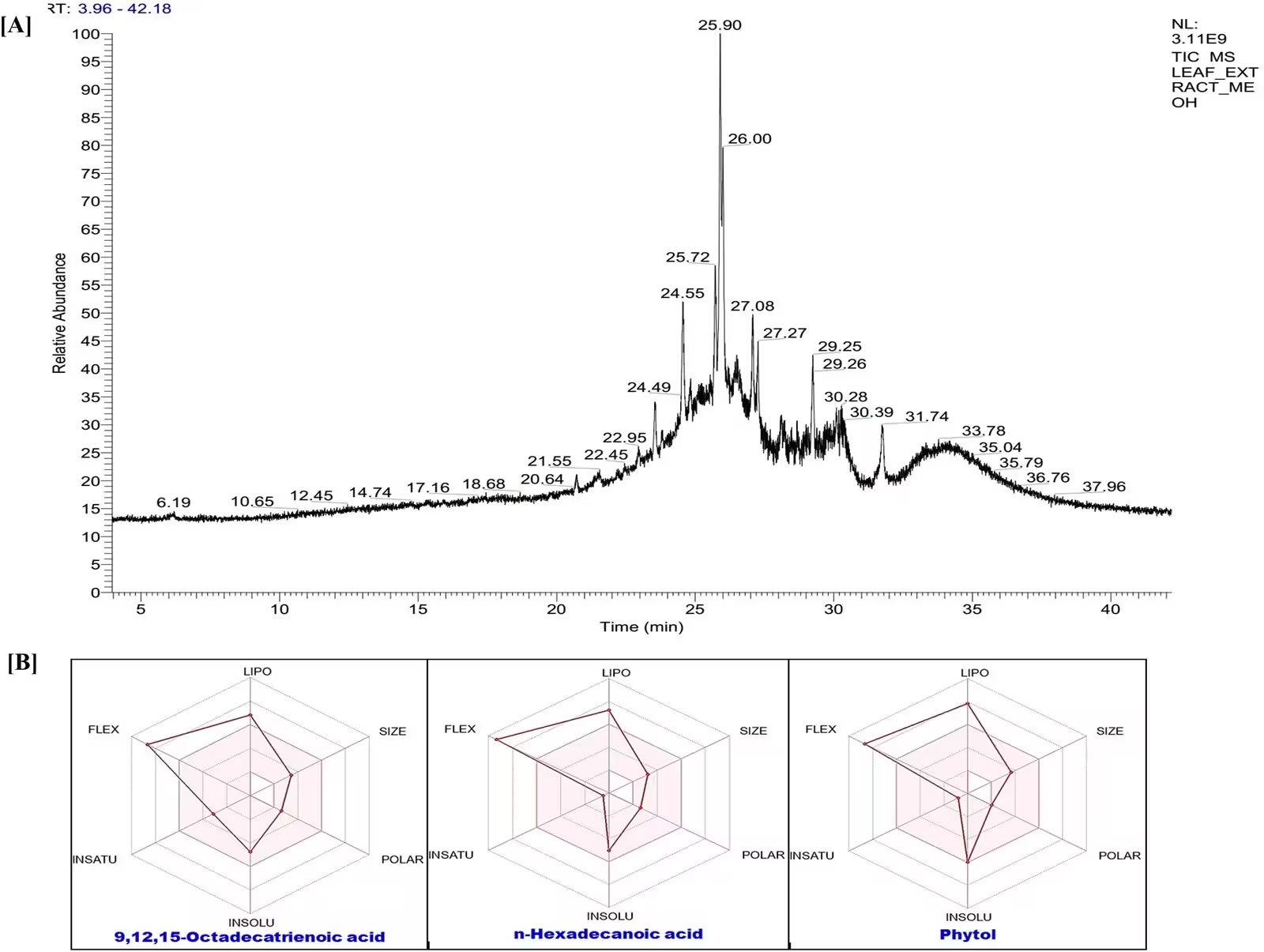
Further chemical profiling using liquid chromatography-mass spectrometry (LC-MS) and gas chromatography-mass spectrometry (GC-MS) identified fifteen major constituents in the hydroalcoholic extract. Notable molecules included phytol, n-hexadecanoic acid, and 9,12,15-octadecatrienoic acid. These findings were published in PloS one by Shunmuga Vadivu Ramalingam and colleagues, outlining a comprehensive biochemical evaluation of the leaves.
Laboratory Tests Reveal Strong Biological Activity
In laboratory assays, the hydroalcoholic extract demonstrated dose-dependent antioxidant activity against 2,2-diphenyl-1-picrylhydrazyl (DPPH) and 2,2’-azino-bis(3-ethylbenzothiazoline-6-sulfonic acid) (ABTS) radicals. The extract achieved half-maximal inhibitory concentration (IC₅₀) values of 41.04 micrograms per milliliter for DPPH and 43.54 micrograms per milliliter for ABTS. These radical-scavenging abilities stem from hydrogen-donating flavonoids and phenolic acids that change the color of test solutions as they neutralize reactive oxygen species.
To evaluate anti-inflammatory properties, the authors tested the extract on bovine serum albumin and egg albumin denaturation. The extract protected proteins from heat-induced denaturation, recording IC₅₀ values of 315.53 and 311.60 micrograms per milliliter, respectively. In cytotoxicity evaluations using a yeast cell model of Saccharomyces cerevisiae, the extract reduced cell viability in a dose-dependent manner, showing an effective concentration of 173.92 micrograms per milliliter.
Larvicidal Action Against Pests and Disease Vectors
The study also assessed the extract against agricultural and disease-carrying pests. When exposed to fourth-instar larvae of the yellow fever mosquito, Aedes aegypti, and fifth-instar larvae of the red flour beetle, Tribolium castaneum, the extract exhibited strong toxicity. Mosquito larvae proved more susceptible, with a lethal concentration of 126.09 micrograms per milliliter, compared to 136.01 micrograms per milliliter for the flour beetle pests.
Microscopic examinations of treated larvae revealed severe morphological deformities, damaged outer layers, and altered intestines. These physical changes point to a disruption in normal insect physiology and development caused by the botanical compounds.
Computational Docking Explains Molecular Mechanisms
To understand how these plant molecules work at a molecular level, the research team performed in silico molecular docking simulations. They tested major phytoconstituents against specific human and insect protein targets. Phytol and fatty acid derivatives showed strong binding affinities toward human peroxiredoxin 5 for antioxidant activity, cyclooxygenase-2 (COX-2) for anti-inflammatory effects, and epidermal growth factor receptor (EGFR) for anticancer potential.
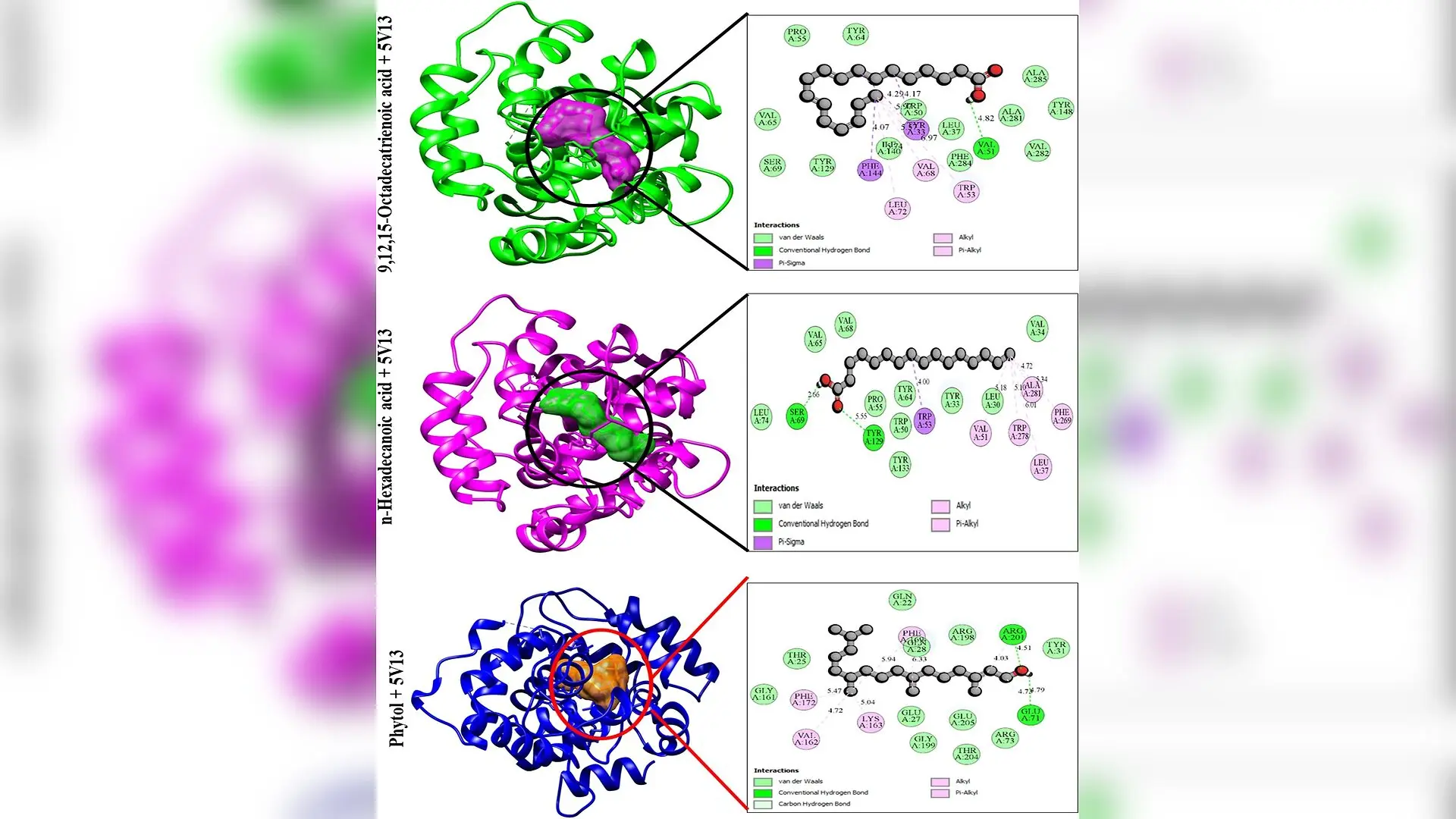
For larvicidal activity, docking simulations targeted the juvenile hormone-binding protein, a key regulator of insect metamorphosis. Among the tested molecules, 9,12,15-octadecatrienoic acid exhibited the strongest binding affinity at minus 8.40 kilocalories per mole, followed by n-hexadecanoic acid and phytol. These stable interactions suggest that the compounds interfere with insect hormonal pathways, providing a scientific foundation for developing eco-friendly plant-based biopesticides and therapeutic agents.
The research was published in PloS one on January 1, 2026.
This article has been fact checked for accuracy, with information verified against reputable sources. Learn more about us and our editorial process.
Last reviewed on .
Article history
- Latest version
Reference(s)
- Ramalingam, Shunmuga Vadivu., et al. “Antioxidant, anti-inflammatory, cytotoxicity and larvicidal activities of Ziziphus oenopolia leaves: in vitro and in silico studies.” PLOS One, vol. 21, no. 10, October 30, 2026, pp. e0358577 Public Library of Science (PLoS), doi: 10.1371/journal.pone.0358577. <https://doi.org/10.1371/journal.pone.0358577>.
Cite this page:
- Posted by Kamran Akhtar