Fifty Years of Italian Migration Reveal How Men and Women Diverged
New research traces how legal reforms, carework demand, and changing gender roles have shaped half a century of migration to Italy.
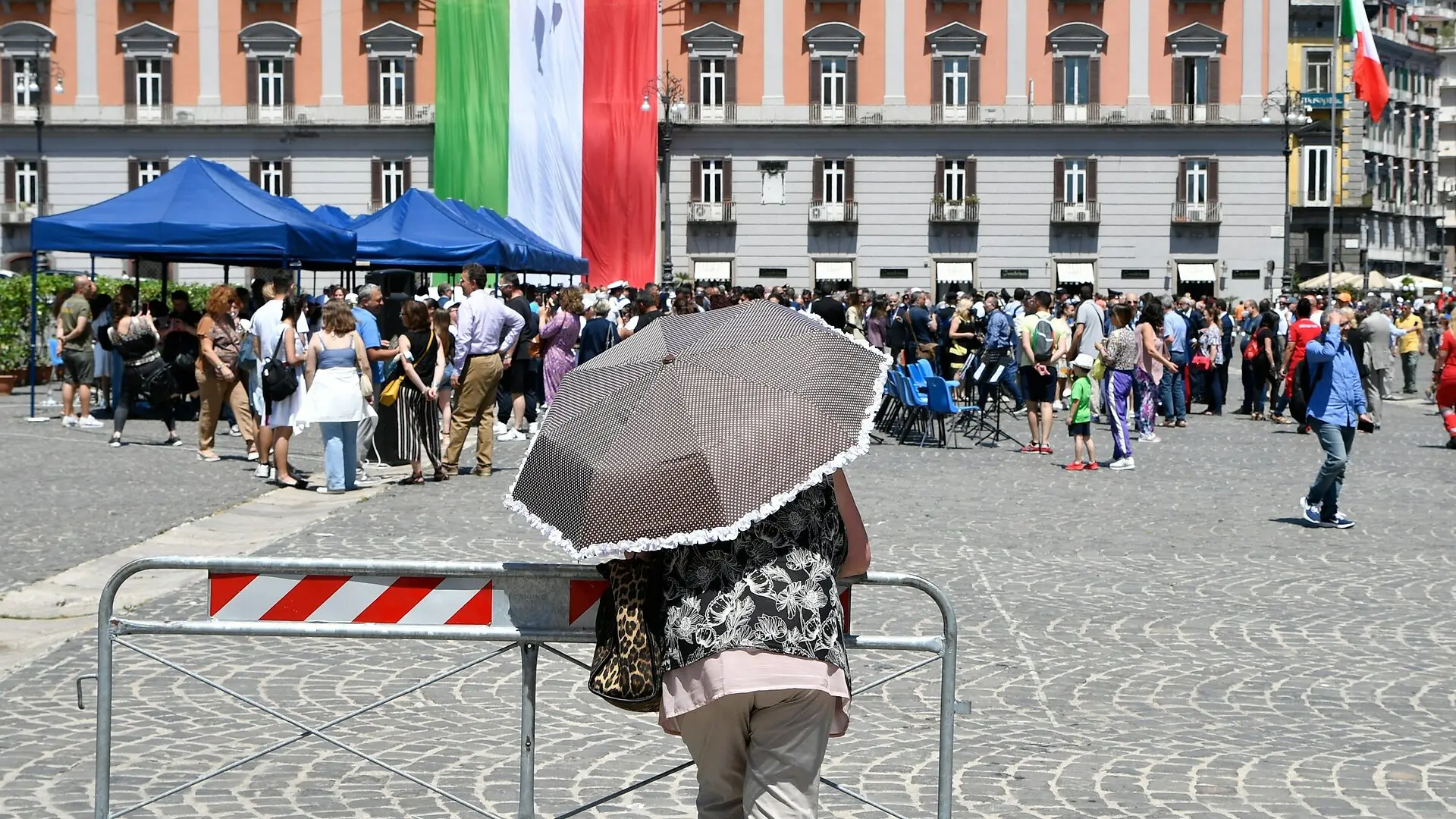
Decades of shifting borders and labor demands in Italy reveal a complex fifty-year evolution in how men and women navigate migration, shaped heavily by distinct gender roles, legal reforms, and socioeconomic pressures. While the earliest migration waves in the 1970s and 1980s saw men arriving alone to take up precarious jobs in agriculture, fishing, and construction, women entered primarily through domestic work and caregiving, often mediated by Catholic networks or colonial legacies. These foundational differences set the stage for divergent pathways that continue to evolve across generations.
Fifty Years of Italian Migration and Changing Demographics
The 1981 census marked the first official record of substantial immigration in Italy, counting roughly 111,000 women alongside 100,000 men. By 2025, the population registry recorded 2,681,629 resident women and 2,689,622 men, indicating a numerical balance that masks deep nationality-based divides. For instance, migration flows from sub-Saharan Africa remain predominantly male, whereas nationalities from Eastern Europe, such as Romania, Moldova, Ukraine, and Poland, are largely composed of women. Legislative milestones, including the Foschi law of 1986 and the Martelli law of 1990, introduced critical regularization programs and established formal rights to family reunification, fundamentally transforming the demographic landscape.
As documented in research published in the book Beginners No More, these regulatory changes facilitated chain migration for both sexes. Yet, the Italian labor market has shown limited structural transformation, keeping migrant women heavily concentrated in household services and carework. The rapid aging of the Italian population, coupled with inadequate public provisions, has continually multiplied employment opportunities for migrant women in the eldercare sector, even as higher educational credentials among women often face severe underutilization.
How Gender Roles and Family Reunification Shape Pathways
The motivations driving migration and subsequent social integration differ sharply by gender. While many male migrants historically arrived as forerunners with short-term economic goals, sending remittances home and enduring harsh living conditions, women often migrated independently to escape abusive relationships, widowhood, or financial destitution. Over time, however, family reunification policies allowed many established workers to bring over spouses and children, giving rise to contrasting domestic dynamics.
Surveys conducted by the Italian Institute of Statistics highlight a progressive cultural shift among settled migrants. While approximately 50 percent of male respondents strongly agree that maintaining the family is strictly a man’s duty, only 25 percent of female respondents share that view. Furthermore, nearly half of migrant women feel confident taking on the dual role of mother and worker, a model accepted by only 32 percent of men. These evolving perspectives demonstrate that migration actively challenges traditional patriarchal structures, occasionally pushing men to adopt domestic and caregiving responsibilities previously unthinkable in their countries of origin.
The research was published in Beginners No More on January 1, 2027.
This article has been fact checked for accuracy, with information verified against reputable sources. Learn more about us and our editorial process.
Last reviewed on .
Article history
- Latest version
Reference(s)
- Carrillo, Daniela., et al. “Gender Differences in Italian Migration Pathways.” IMISCOE Research Series, November 1, 2026, pp. 69-90. Springer Nature Switzerland, doi: 10.1007/978-3-032-37942-9_4. <https://doi.org/10.1007/978-3-032-37942-9_4>.
Cite this page:
- Posted by Divya Iyer