Only 12 Percent of Nigerian Fish Farms Follow Safe Stocking Limits
A comprehensive study reveals widespread water sharing and heavy reliance on reactive antibiotics over preventative biosecurity.
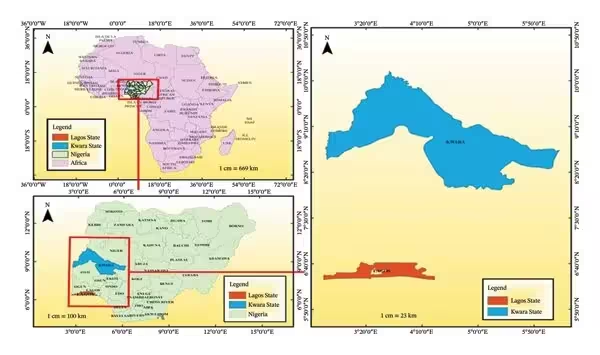
Only twelve percent of commercial fish farms in Nigeria maintain safe stocking densities, according to a comprehensive study investigating aquatic health management and antimicrobial practices across Kwara and Lagos states.
The research, published in Veterinary Medicine International, reveals that intensive production pressures and widespread water sharing among neighboring ponds are driving heavy reliance on therapeutic drugs rather than preventative biosecurity. Led by an international team of researchers including Ismail Ayoade Odetokun and Mahmoud Eltholth, the mixed-methods investigation combined questionnaire surveys of 330 fish farmers with detailed focus group discussions.
Stocking Density Pressures and Shared Water Risks
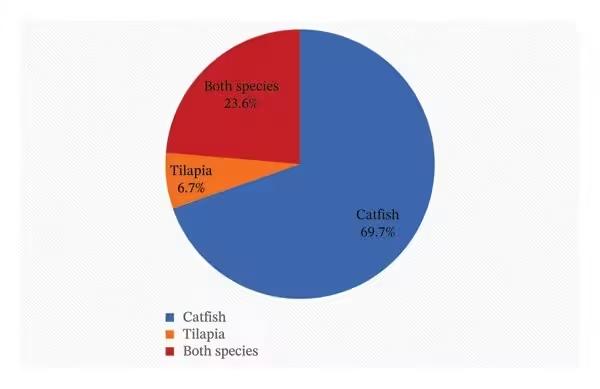
African catfish (Clarias gariepinus) dominates the Nigerian aquaculture sector, representing nearly seventy percent of production, while Nile tilapia (Oreochromis niloticus) accounts for a smaller share alongside mixed farming systems. Investigators found that eighty-eight percent of surveyed farms stocked fish well above the recommended threshold of seven fish per square meter. Overstocking accelerates waste accumulation, depletes dissolved oxygen, and heightens disease susceptibility.
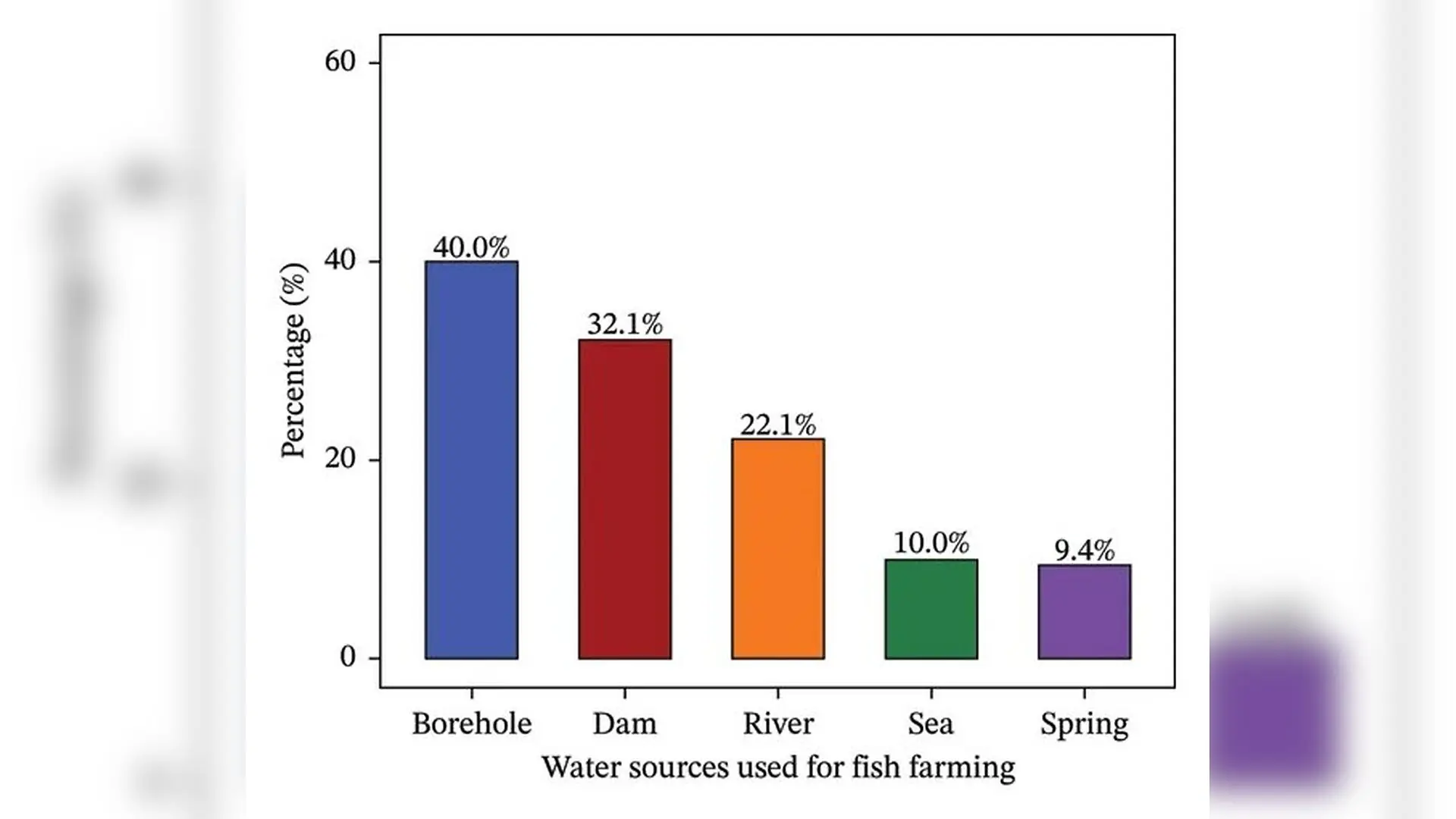
Furthermore, more than sixty-six percent of farms share water sources with neighboring establishments within concentrated aquaculture clusters. Focus group participants explained that disease pathogens spread rapidly through runoff between adjacent ponds. Despite these environmental pressures, sixty-three percent of farmers reported survival rates exceeding seventy-five percent during their previous production cycle, and just under twenty-seven percent experienced a formal disease outbreak over the preceding year.
Financial Barriers to Preventative Health Care
Operating costs heavily favor reactive treatments over proactive biosecurity measures. Across the surveyed enterprises, feed accounted for over ninety-one percent of variable expenses, while health management represented less than one percent. Among health expenditures, sixty-two percent of farmers reported spending money on medications, whereas only twenty percent invested in biosecurity and fifteen percent conducted water quality testing.
Statistical regression models demonstrated that farmers who spent money on biosecurity were seventy-one percent less likely to purchase medications compared to those who neglected preventative controls. Tilapia farmers showed significantly higher odds of investing in water quality and biosecurity than catfish producers, reflecting tilapia sensitivity to environmental fluctuations. Producers relying on clean borehole water were also eight times more likely to test water quality than those depending entirely on natural surface water bodies like rivers and dams.
Herbal Alternatives Versus Conventional Antibiotics
When infections strike, most farmers diagnose problems visually based on personal experience rather than laboratory testing, with fewer than five percent consulting private veterinarians. Antibiotics such as tetracyclines and beta-lactams remain popular because producers perceive them to work faster than traditional remedies. However, widespread self-prescribing and inappropriate use, including administering poultry medications to fish, have fostered severe antimicrobial resistance.
To cut costs, many smallholders utilize non-antimicrobial health interventions, primarily local herbs including bitterleaf (Vernonia amygdalina), siam weed (Chromolaena odorata), and moringa. While laboratory evaluations suggest these botanicals possess antimicrobial properties, farmers reported uncertainty regarding proper dosage formulations. Encouragingly, several producers curtailed antibiotic usage after learning about antimicrobial resistance or experiencing product rejections from commercial vendors enforcing strict residue limits.
The authors recommend subsidized veterinary extension services, structured clinical trials to standardize herbal dosages, and stricter public awareness campaigns regarding withdrawal periods to safeguard aquatic food safety.
The research was published in Veterinary medicine international on January 1, 2026.
This article has been fact checked for accuracy, with information verified against reputable sources. Learn more about us and our editorial process.
Last reviewed on .
Article history
- Latest version
Reference(s)
- Odetokun, Ismail Ayoade., et al. “Health Management Practices, Antimicrobial Use and the Adoption of Alternatives Among Nigerian Fish Farmers: A Mixed‐Methods Study.” Veterinary Medicine International, vol. 2026, no. 1, October 28, 2026 Wiley, doi: 10.1155/vmi/3100926. <https://doi.org/10.1155/vmi/3100926>.
Cite this page:
- Posted by Kamran Akhtar