Can High-Pressure Oxygen Heal Damaged Retinas in Diabetics?
A new review evaluates whether hyperbaric oxygen therapy can safely repair leaky retinal blood vessels or if it risks worsening diabetic eye disease.
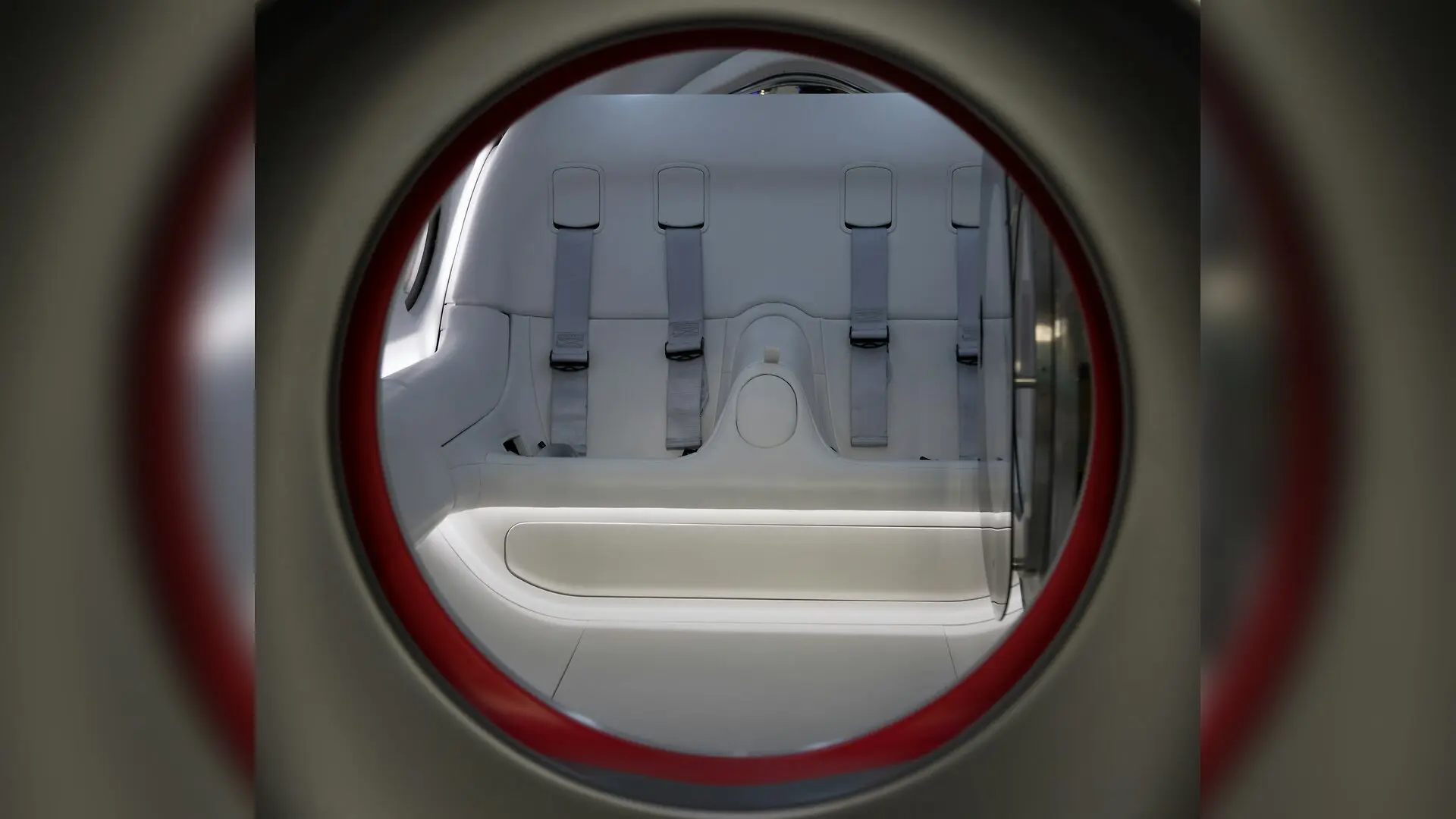
Breathing near-pure oxygen inside a pressurized chamber changes the tiny blood vessels in the human eye, raising new questions about how to treat a major complication affecting more than a hundred million adults worldwide. A new review led by researchers Arham Yahya Rizwan Khan and Muhammad Bilal Malik from Cureus examines whether hyperbaric oxygen therapy, which exposes patients to high-pressure oxygen, might help heal damaged retinas or instead trigger harmful blood vessel growth. The analysis is published in Cureus.
How Does Pressurized Oxygen Affect the Diabetic Retina?
Diabetic retinopathy is a chronic neurovascular disease where high blood sugar gradually damages delicate capillaries in the back of the eye. Over time, this damage leads to fluid leaks, inflammation, and oxygen starvation, which forces the body to release distress signals that build fragile, unwanted new blood vessels. While standard treatments like anti-VEGF injections and laser therapy target these specific pathways, they do not directly restore lost capillary beds. This limitation has driven scientists to explore hyperbaric oxygen therapy as an adjunctive approach to modify retinal oxygenation and slow disease progression.
The therapy typically places a patient in a chamber pressurized to about two to two and a half times normal atmospheric pressure while they breathe near-total oxygen. This environment dramatically increases oxygen levels in the blood, creating a steeper gradient to push oxygen into hypoxic retinal tissue. At the same time, healthy blood vessels usually constrict in response to high oxygen, creating a delicate balance between increased tissue oxygen and reduced local blood flow. Researchers must determine whether this surge of oxygen helps repair the blood-retinal barrier or inadvertently worsens oxidative stress in a tissue already struggling with chronic injury.
What Do Preclinical and Clinical Studies Reveal?
Direct human data evaluating hyperbaric oxygen therapy specifically for diabetic eye disease remain scarce and mixed. Most participants in existing clinical studies actually received the pressurized treatments for diabetic foot ulcers rather than eye conditions. A foundational animal study by Chang and colleagues demonstrated that diabetic rats exposed to hyperbaric oxygen experienced significantly reduced retinal plasma leakage compared to untreated diabetic controls. However, animal models cannot fully replicate the complex microvascular environment of a human eye with advanced metabolic disease.
Clinical trials in humans have produced varying results regarding anatomical changes in the eye. Some investigators reported short-term improvements in central macular thickness and reduced fluid leakage, while others observed regional thickening or no significant change in disease stage. A notable two-year randomized trial by Sellman and colleagues found no significant difference in visual acuity or retinopathy progression between patients receiving hyperbaric oxygen and those receiving placebo, indicating overall ophthalmic neutrality rather than clear therapeutic efficacy.
Why Caution and Further Research Are Essential
Experts emphasize that hyperbaric oxygen therapy should not replace established treatments like panretinal photocoagulation or anti-VEGF injections. While a 2025 systematic review of five studies involving nearly five hundred eyes noted small improvements in visual acuity and macular thickness, the pooled visual benefits lost statistical significance when larger trials were excluded. Furthermore, isolated case reports describing the progression of proliferative disease during hyperbaric sessions highlight the need for careful screening, especially in patients with active neovascularization.
The authors conclude that current evidence remains insufficient to support routine clinical use of hyperbaric oxygen therapy for diabetic eye disease. Future progress depends on conducting adequately powered, multicenter, randomized controlled trials with standardized dosing, rigorous ophthalmologic grading, and long-term follow-up. Until such data become available, hyperbaric oxygen therapy must remain strictly investigational for managing diabetic retinal complications.
The research was published in Cureus on November 23, 2026.
This article has been fact checked for accuracy, with information verified against reputable sources. Learn more about us and our editorial process.
Last reviewed on .
Article history
- Latest version
Cite this page:
- Posted by Kamran Akhtar