The Hidden Cost Tipping Point That Makes Patients Stop Taking Weight Loss Drugs
New research highlights how out-of-pocket healthcare costs significantly influence patient decision-making and overall access to essential medical care.
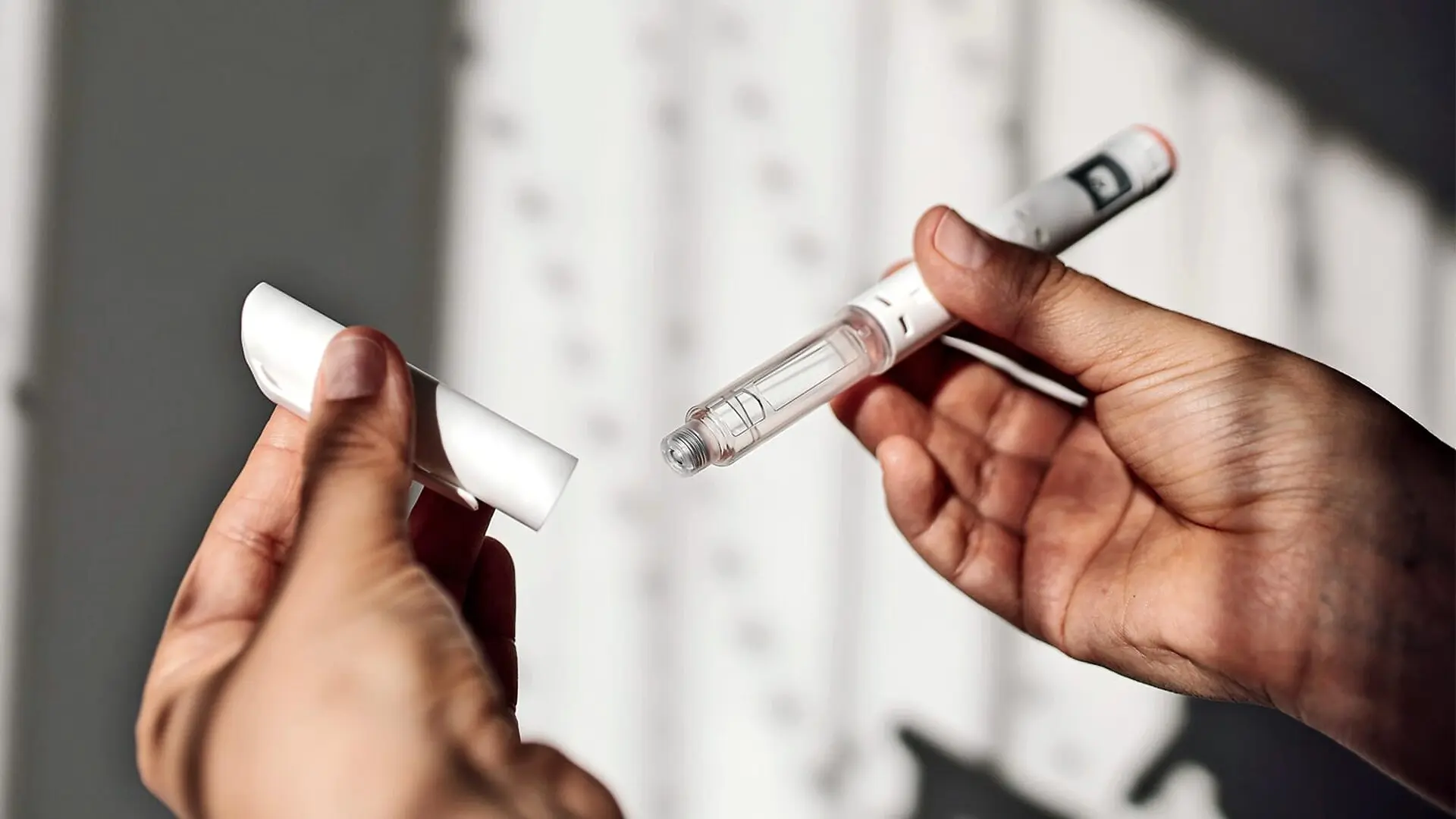
New Data Reveals Financial Tipping Point for GLP-1 Weight Loss Medication Adherence
A growing body of evidence suggests that the high cost of popular GLP-1 weight loss medications is significantly undermining patient compliance, regardless of insurance coverage. A study published in JAMA Health Forum highlights that even relatively modest out-of-pocket expenses can act as a major deterrent for patients attempting to maintain their treatment regimens.
Researchers examined data from 8,914 patients who were continuously enrolled in insurance plans while prescribed GLP-1 medications for weight management over an 18-month period. By categorizing monthly out-of-pocket costs into five distinct brackets—ranging from under $21 to more than $168—the study aimed to map the relationship between financial burden and treatment persistence.
The findings indicate that discontinuation rates are alarmingly high across the board. Within a year of initiating treatment, 75% of patients in the lowest cost tier had already stopped taking their medication. However, the data revealed a critical inflection point at the $75 monthly mark. Once patient costs climbed above this threshold, nonadherence rates surged past 80%.
“I expected a clear linear association between higher out-of-pocket costs and lower adherence, but that wasn’t the case,” says lead author Eunhae Shin, an assistant professor of health policy and management at the University of Georgia’s College of Public Health. “Until people reached that $75 tipping point, they were similar in terms of adherence.”
The study notes that the lowest rates of persistence—with only about 17% of patients staying on their medication—were found in the group paying $168 or more per month. These individuals were more frequently located in the Southern United States and enrolled in high-deductible health plans. While the research did not explicitly analyze socioeconomic status, the authors suggest that lower-income individuals are disproportionately funneled into plans with high-cost sharing and significant annual deductibles, which forces them to shoulder the full weight of medication costs before insurance coverage takes effect.
While the study focused on financial barriers, other systemic issues may also contribute to the high drop-off rates. Factors such as mid-year shifts in insurance policy, complex prior authorization requirements, and mandatory step therapy programs—which require patients to trial cheaper, less effective treatments first—can create further hurdles for consistent medication use.
“The key takeaway from our study is that out-of-pocket costs matter,” Shin adds. “If their goal is to improve medication adherence and have as many people benefit from these drugs as possible, we should start thinking about how to restructure out-of-pocket costs and insurance design.”
Looking ahead, researchers emphasize that addressing these upfront costs may be essential for long-term fiscal health. Obesity is a primary driver for chronic conditions such as type 2 diabetes, cardiovascular disease, and hypertension, all of which contribute to costly hospitalizations and emergency department visits. By improving accessibility to weight loss medications, the healthcare system may see a significant reduction in these long-term expenditures.
“Although the out-of-pocket cost can be sizeable in the short run, potentially in the long run we are able to better manage chronic conditions with these medications,” Shin concludes.
This article has been fact checked for accuracy, with information verified against reputable sources. Learn more about us and our editorial process.
Last reviewed on .
Article history
- Latest version
Reference(s)
- Shin, Eunhae., et al. “Out-of-Pocket Costs and Adherence to Semaglutide for Obesity Among Commercially Insured Adults.” JAMA Health Forum, vol. 7, no. 8, August 28, 2026, pp. e263113 American Medical Association (AMA), doi: 10.1001/jamahealthforum.2026.3113. <https://doi.org/10.1001/jamahealthforum.2026.3113>.
Cite this page:
- Posted by David Anderson