Sleeping With the Lights On May Be Changing Your Heart Structure in Unexpected Ways
Even brief exposure to light after dark can significantly disrupt your body’s internal clock and sleep cycles, new research suggests.
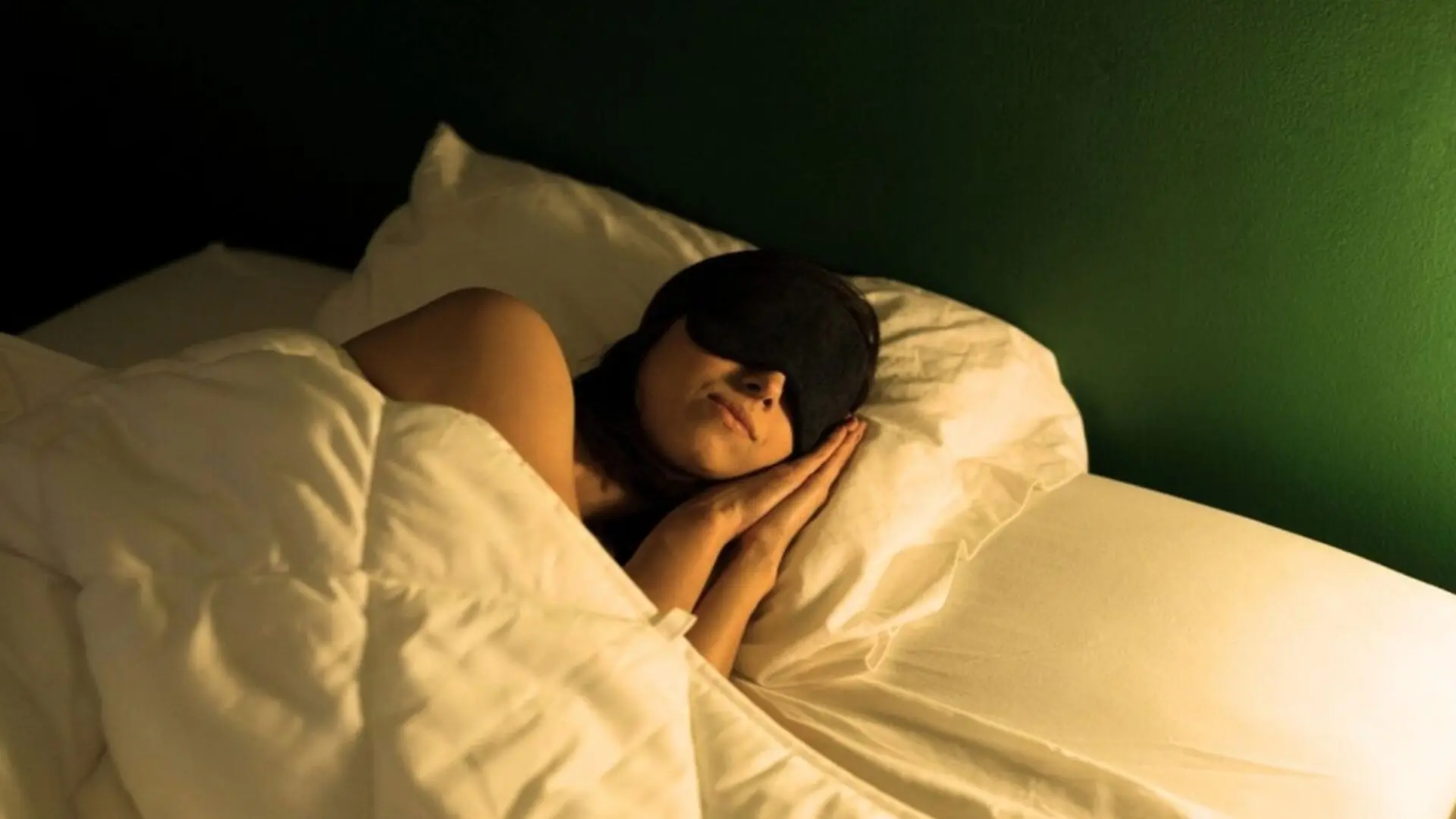
A major new study has identified a concerning correlation between exposure to light during sleeping hours and structural changes to the human heart. Researchers from Tulane University discovered that individuals exposed to higher levels of light while resting—even at relatively low intensities—exhibited measurable differences in cardiac anatomy and a heightened risk of serious cardiovascular events years later.
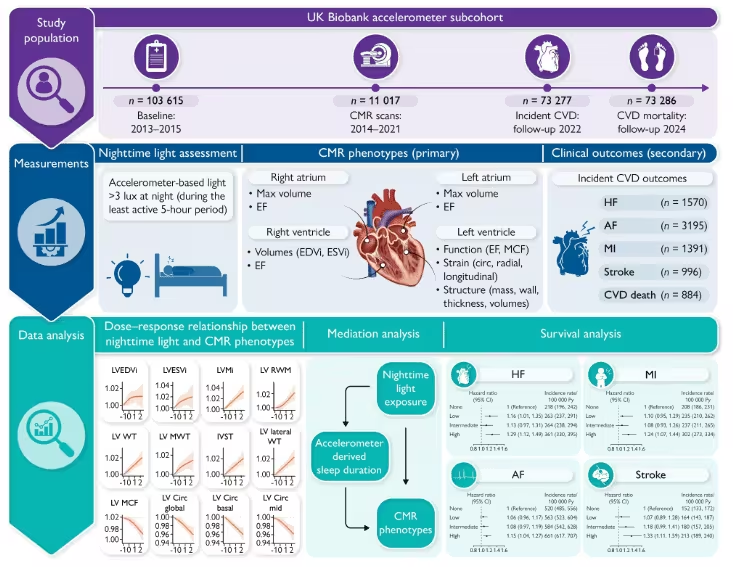
The research, published September 9, 2026, in the European Heart Journal, utilized data from more than 11,000 adults in the United Kingdom. Participants wore wrist-mounted sensors between 2013 and 2015 to provide a minute-by-minute record of their light exposure. Scientists specifically tracked light levels exceeding 3 lux, a threshold considered sufficient to potentially interfere with the production of melatonin, the hormone responsible for managing the body’s internal sleep-wake rhythm.
Mapping Cardiac Changes
Following the monitoring period, participants underwent cardiac MRI scans. Those in the highest exposure category—averaging nearly 34 minutes of light above 3 lux during their designated rest window—showed a 2.4% increase in left ventricular mass compared to those who recorded no nighttime light. Additionally, these participants displayed thicker heart walls and a 1.9% reduction in certain muscle contraction metrics. The study observed a clear dose-response pattern, where cardiac anomalies became more pronounced as light exposure increased.
The impact of nocturnal light appears to extend beyond structural changes. In a broader analysis of up to 73,286 adults tracked over nearly a decade, the team identified significant clinical disparities. High-exposure individuals faced a 29% greater risk of heart failure, a 33% higher risk of stroke, and a 26% increase in the risk of cardiovascular death compared to those who slept in near-total darkness.
The Role of Sleep Deprivation
One of the primary theories explored by the researchers is that light at night disrupts sleep quality, which in turn stresses the heart. Participants with the most exposure averaged only 6.9 hours of sleep, nearly an hour less than the 7.7 hours recorded by the reference group. The analysis suggests that shorter sleep duration accounts for roughly 24% to 49% of the relationship between light exposure and changes in heart architecture.

Interpreting the Findings
While these results provide a compelling link between environmental conditions and heart health, the authors caution against drawing causal conclusions. Because the study is observational, it cannot definitively prove that light exposure directly causes structural damage to the heart. Other lifestyle factors—such as smoking, obesity, or dietary habits—often overlap with sleep environments and were accounted for in the study’s statistical models, though the possibility of unmeasured variables remains.
Furthermore, the study was limited by its reliance on a largely White demographic with an average age of 61. The sensors used could measure the intensity of light but could not discern the source, leaving it unclear whether the light stemmed from urban nighttime light pollution, electronics, or indoor lamps. Nevertheless, the research reinforces a growing body of evidence, including recent findings in JAMA Network Open, suggesting that our modern 24-hour illuminated environment may have hidden costs for our long-term cardiovascular health.
This article has been fact checked for accuracy, with information verified against reputable sources. Learn more about us and our editorial process.
Last reviewed on .
Article history
- Latest version
Cite this page:
- Posted by David Anderson