Parkinson’s May Begin in the Gut: New Study Links B Vitamins to Brain Health
A large international analysis links Parkinson’s disease to disrupted gut bacteria that reduce key B vitamins, weakening intestinal defenses and potentially accelerating brain damage.
Long before tremors begin or movement slows, something subtle may already be unfolding inside the body. For many people with Parkinson’s disease, symptoms such as constipation and sleep disturbances can appear years, even decades, before neurological decline becomes visible.
This delayed onset has puzzled scientists for decades. Where does the disease truly begin?
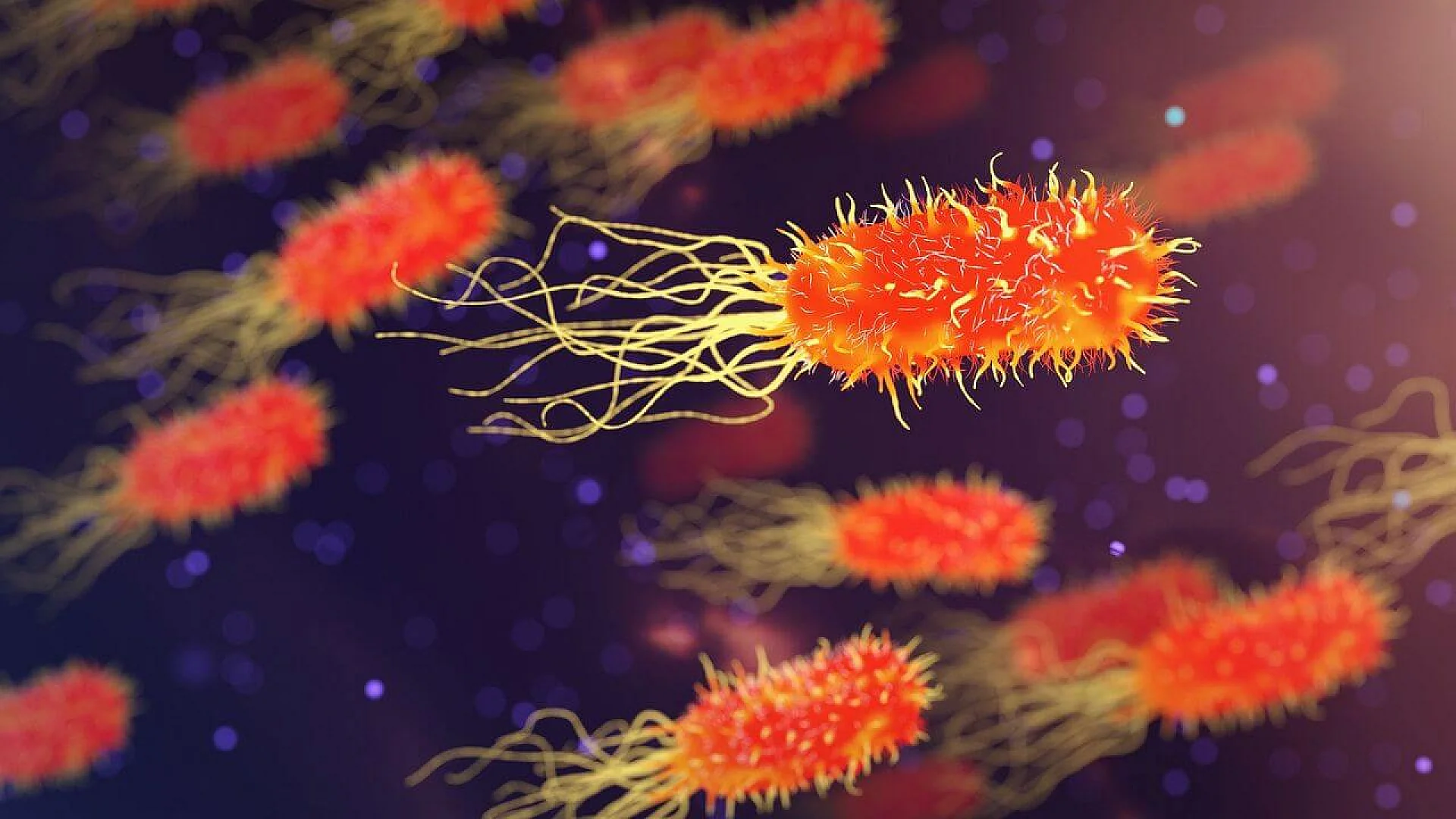
A growing line of evidence now points toward an unexpected origin, the gut. In a comprehensive international study, researchers analyzed microbial DNA from hundreds of individuals across multiple countries. Their findings suggest that disruptions in gut bacteria may quietly reshape the body’s internal chemistry in ways that eventually affect the brain.
At the center of this process lies a surprisingly simple factor, the availability of certain B vitamins.
A Global Investigation Into the Gut Microbiome
To uncover consistent biological patterns, researchers conducted a meta-analysis combining six independent datasets from Japan, the United States, Germany, China, and Taiwan. In total, the study examined gut microbiota from more than 800 individuals with Parkinson’s disease and over 500 healthy controls.
Instead of focusing on a single population, the team deliberately compared diverse geographic groups. This approach allowed them to identify shared biological changes that persist despite differences in diet, environment, and genetics.
The results revealed a paradox.
People with Parkinson’s disease showed greater microbial diversity in their gut, a feature often considered beneficial in other contexts. Yet this diversity masked a deeper imbalance. Key bacterial species responsible for producing beneficial compounds were consistently reduced, while others increased.
Among the most notable changes was a shift in metabolic pathways linked to vitamin production.
The Vitamin Connection Scientists Didn’t Expect
Across all datasets, two metabolic pathways stood out as significantly reduced in individuals with Parkinson’s disease:
- Riboflavin metabolism (vitamin B2)
- Biotin metabolism (vitamin B7)
These vitamins are not only obtained from food, but are also synthesized by gut bacteria. When microbial communities change, this internal vitamin production can decline.
The study found that genes responsible for producing riboflavin and biotin were consistently depleted in Parkinson’s patients, even after accounting for factors such as age, body mass index, and medication use.
This suggests that the deficiency is not incidental, but linked directly to the disease process.
How Vitamin Loss Affects the Gut
At first glance, a reduction in B vitamins might seem like a minor nutritional issue. However, these molecules play essential roles in maintaining the biochemical balance of the gut.
The researchers identified two critical downstream effects:
1. Decline in Short-Chain Fatty Acids
Short-chain fatty acids (SCFAs), including acetate, propionate, and butyrate, are produced when gut bacteria ferment dietary fiber. These molecules help regulate immune responses and support the integrity of the intestinal lining.
In Parkinson’s patients, SCFA levels were significantly reduced.
2. Loss of Polyamines
Polyamines are small molecules involved in cell growth, repair, and inflammation control. The study found that key polyamines, including putrescine, spermidine, and spermine, were also depleted.
Both SCFAs and polyamines depend, directly or indirectly, on B vitamin pathways. When vitamin production drops, these protective molecules decline as well.
A Fragile Barrier Between Gut and Brain
The intestine is lined with a mucus layer that acts as a protective barrier, shielding underlying tissues from harmful substances. SCFAs and polyamines play a crucial role in maintaining this barrier.
When their levels fall, the mucus layer can thin.
This creates a condition known as increased intestinal permeability, sometimes described as a “leaky gut.” In this state, toxins, environmental chemicals, and microbial products can more easily penetrate the intestinal wall.
The study proposes that this breakdown may expose the gut’s nervous system to harmful compounds, including pesticides and other pollutants.
From Gut Disruption to Brain Damage
The connection between gut and brain becomes clearer when considering a protein called alpha-synuclein.
In Parkinson’s disease, this protein misfolds and accumulates in clumps, known as fibrils, within dopamine-producing neurons in the brain. These aggregates are a hallmark of the disease.
However, evidence suggests that abnormal alpha-synuclein may first appear in the gut’s nervous system before spreading to the brain.
The new findings support this idea.
According to the researchers’ model:
- Gut bacteria lose the ability to produce key B vitamins
- SCFAs and polyamines decline
- The intestinal barrier weakens
- Toxins gain access to the gut’s neural network
- Alpha-synuclein aggregation begins
- Neuroinflammation spreads and progresses toward the brain
This sequence aligns with earlier hypotheses suggesting that Parkinson’s disease may, in some cases, originate in the gut and travel along the vagus nerve to the brain.
Different Bacteria, Same Outcome
One of the most striking aspects of the study is its consistency across countries.
Although the specific bacterial species involved varied between regions, the overall functional outcome remained the same. Different microbial communities led to the same reduction in vitamin-producing pathways.
This suggests that Parkinson’s disease is not tied to a single harmful bacterium. Instead, it may result from a broader disruption in microbial function.
In other words, the identity of the bacteria matters less than what they are doing, or failing to do.
Why This Matters
The findings offer a shift in perspective.
Rather than viewing Parkinson’s disease solely as a disorder of the brain, this research highlights it as a systemic condition involving the gut, metabolism, and immune system.
More importantly, it points toward potentially modifiable factors.
If reduced vitamin production contributes to disease progression, then restoring those pathways could offer a new therapeutic strategy. This might involve:
- Targeted vitamin supplementation
- Dietary interventions to support beneficial microbes
- Microbiome-based therapies
Some earlier clinical observations already support this possibility. High-dose riboflavin supplementation has been associated with improvements in motor symptoms in certain patients, although larger controlled studies are needed.
Important Limitations to Consider
Despite its scope, the study does not prove cause and effect.
It remains unclear whether microbiome changes trigger Parkinson’s disease or arise as a consequence of it. The relationship is likely complex and bidirectional.
Additionally:
- Not all patients may share the same underlying mechanisms
- Environmental and genetic factors still play significant roles
- Vitamin supplementation may not be effective for everyone
The authors emphasize that Parkinson’s disease is highly heterogeneous. What applies to one group of patients may not apply to another.
A Broader Context in Microbiome Research
The study fits into a rapidly expanding field exploring how gut microbes influence human health.
Recent research has linked the microbiome to:
- Sleep regulation
- Energy metabolism
- Immune system balance
- Chemical detoxification
These findings reinforce the idea that the gut is not just a digestive organ, but a central regulator of physiological systems.
In this context, Parkinson’s disease may represent one of the clearest examples of how disruptions in microbial ecosystems can ripple outward, affecting distant organs such as the brain.
The Road Ahead
Future research will need to address several key questions:
- Can early microbiome changes predict Parkinson’s disease before symptoms appear?
- Which patients are most likely to benefit from vitamin-based interventions?
- How can gut bacteria be safely and effectively modified over time?
Answering these questions could transform how the disease is detected and managed.
For now, the study provides a compelling piece of the puzzle.
It suggests that the roots of a devastating neurological disorder may lie in a microscopic imbalance, one that alters the body’s chemistry long before the first tremor begins.
The research was published in npj Parkinson’s Disease on May 21, 2024.
This content has been reviewed by subject-matter experts to ensure scientific accuracy. Learn more about us and our editorial process.
Last reviewed on .
Article history
- Latest version
Reference(s)
- Nishiwaki, Hiroshi., et al. “Meta-analysis of shotgun sequencing of gut microbiota in Parkinson’s disease.” npj Parkinson’s Disease, vol. 10, no. 1, 21 May 2024, doi: 10.1038/s41531-024-00724-z. <https://doi.org/10.1038/s41531-024-00724-z>.
Cite this page:
- Posted by David Anderson