High School Students Master Mendelian Genetics But Struggle With Molecular Realities
A new diagnostic study reveals why teenagers hit a conceptual roadblock when connecting inherited traits to microscopic protein structures.
High school students frequently struggle to connect inherited traits to microscopic molecules, often viewing genetics as an abstract puzzle rather than physical biology happening inside their cells. A new study evaluating 198 Czech high school students between the ages of 18 and 19 reveals that while teenagers easily grasp classic Mendelian inheritance and Punnett squares, they hit a severe conceptual roadblock when asked to explain how DNA sequences dictate protein structures and evolutionary changes.
Why Do Students Struggle to Connect DNA With Proteins?
Led by Marek Procházka from Charles University, the research team sought to translate and validate a diagnostic tool known as the Learning Progression-Based Assessment of Modern Genetics for Czech secondary schools. The findings, published in PLOS One, demonstrate that students easily master the foundational rules of dominant and recessive alleles. However, moving past this level to understand how genes code for specific amino acids and proteins presents a major hurdle.
When answering questions about gene function, participants readily understood that genes store biological instructions. Yet, jumping to the highest explanatory level, which specifies exact amino acid sequences, proved difficult. The authors observed an abrupt conceptual gap between traditional inheritance rules taught in classrooms and the molecular reality of cellular biochemistry.
What Role Does Classroom Instruction Play in Student Misconceptions?
The diagnostic instrument used 12 distinct constructs to map student understanding across topics such as gene expression, mutations, and cellular division. Many students harbored persistent misconceptions, including the erroneous belief that different cell types within the human body contain entirely different sets of DNA rather than the same genetic code activating different proteins. Furthermore, students struggled to link DNA mutations to broader evolutionary shifts over time.
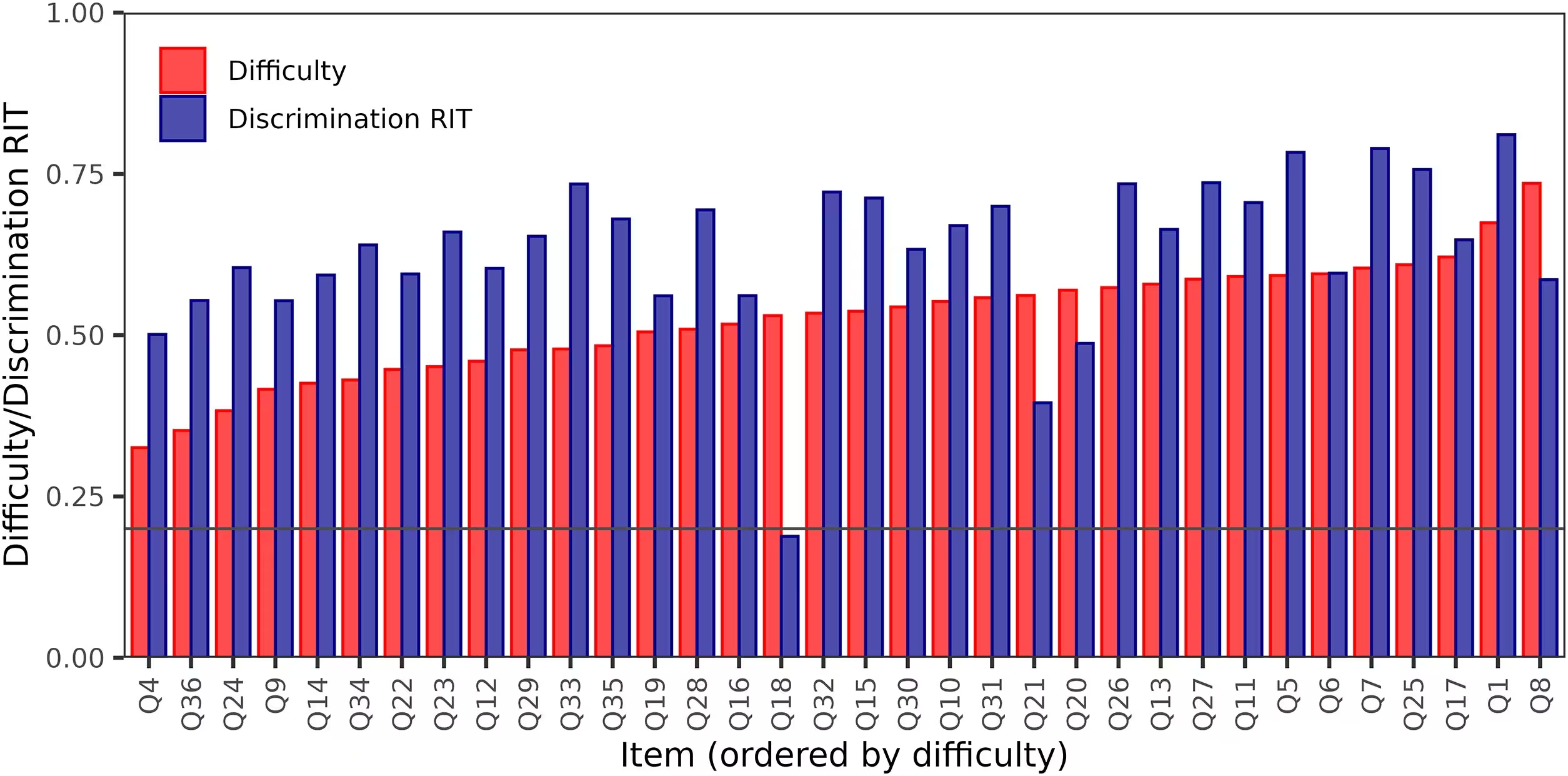
Statistical analysis of student backgrounds revealed several factors influencing overall comprehension. Students who participated in science competitions, planned to pursue biology-related university careers, or viewed genetics as personally important achieved significantly higher scores. Additionally, students who spent at least two weeks covering genetics in class scored better than those with shorter instructional windows. Solving probability problems involving Mendel’s laws also correlated with higher overall scores, though the authors note that relying solely on these traditional tools can sometimes foster oversimplified views of biology.
What Are the Implications for Future Biology Curricula?
The study highlights a structural disconnection in school curricula, where cytology, classical genetics, and evolutionary biology are often taught in separate years without reinforcing their interconnections. The authors suggest that revising teaching sequences, such as introducing molecular biology principles before classical Mendelian genetics, could help students build a more cohesive understanding. Providing educators with validated diagnostic instruments enables them to pinpoint these conceptual bottlenecks and design targeted interventions to address common misconceptions.
The research was published in PLOS One on November 23, 2026.
This article has been fact checked for accuracy, with information verified against reputable sources. Learn more about us and our editorial process.
Last reviewed on .
Article history
- Latest version
Reference(s)
- Procházka, Marek., et al. “The state of genetic literacy among high school students in Czechia.” PLOS One, vol. 21, no. 11, November 23, 2026, pp. e0363623 Public Library of Science (PLoS), doi: 10.1371/journal.pone.0363623. <https://doi.org/10.1371/journal.pone.0363623>.
Cite this page:
- Posted by Faisal Qureshi